
DCI Arrests Man After Viral TikTok Video of Tearing KSh100 Notes
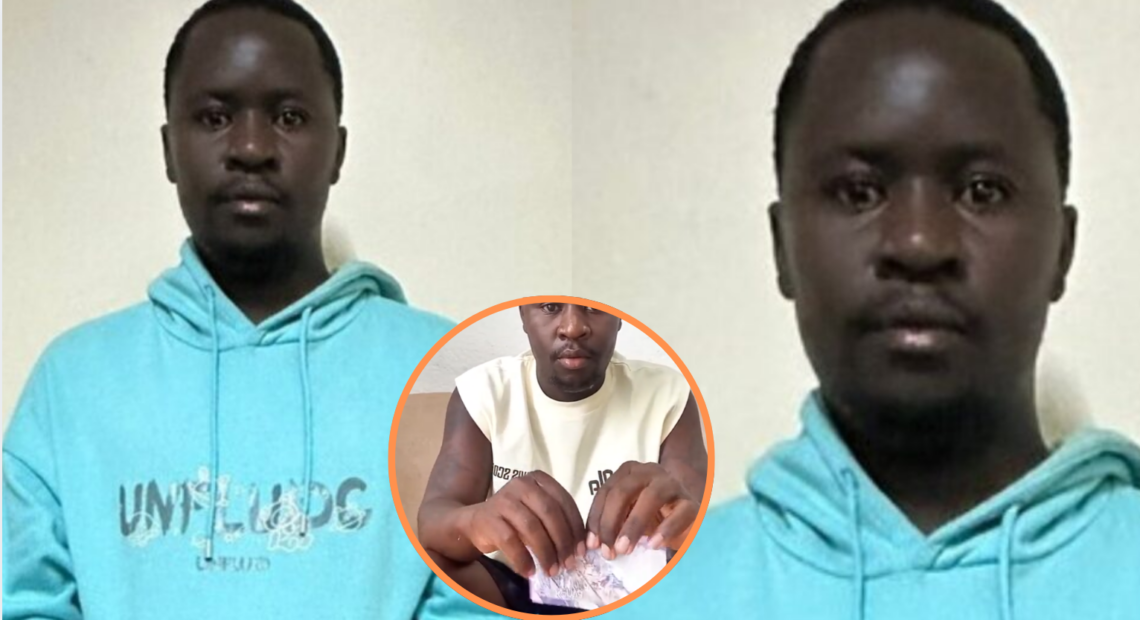
Detectives from the Directorate of Criminal Investigations arrested Maximilian Motara on March 10, 2026. Authorities accused him of mutilating Kenyan currency and sharing the act on TikTok.
The arrest followed investigations by the Banking Fraud Investigations Unit, a specialized DCI division. According to detectives, Motara appeared in a viral video tearing bundles of KSh 100 notes.
Consequently, the footage sparked widespread outrage across social media platforms. The DCI confirmed that the suspect remains in custody awaiting court arraignment.
Viral Video Triggers Investigation
The video quickly circulated online and attracted significant public attention. In the footage, Motara allegedly tears several bundles of KSh 100 banknotes.
As a result, authorities launched an investigation into the suspected crime. Detectives traced the video and identified the individual responsible.
Soon afterward, officers arrested the suspect and began legal processing. Investigators now plan to present the case before court.
Kenyan Law on Mutilating Currency
Kenyan law strictly prohibits damaging national currency. Specifically, Section 367A of the Penal Code criminalizes intentionally mutilating banknotes.
This includes tearing, cutting, defacing, or damaging currency without lawful authority. If convicted, offenders may face a fine of up to KSh 2,000. Additionally, courts may impose imprisonment of up to three months.
In serious cases, civil penalties may reach KSh 100,000 under regulations from the Central Bank of Kenya. Therefore, authorities warn the public against treating money as a decorative item.
CBK Warning on Misuse of Banknotes
The Central Bank has repeatedly warned against damaging currency. For example, officials discourage using notes for decorative displays or “cash bouquets.” Such practices compromise the integrity of Kenya’s national currency.
Furthermore, deliberately mutilated banknotes may not qualify for replacement. The CBK only replaces notes damaged accidentally or through ordinary wear. However, the bank verifies several conditions before approving an exchange.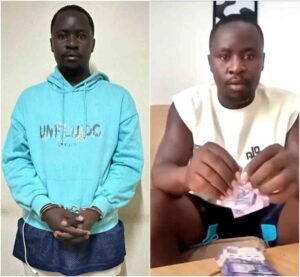
READ ALSO: CBK Warns Kenyans Against Defacing Notes in Money Bouquets
– Dollar Bouquets Take Over as Kenyans Dodge CBK Cash Warning
– African Banks Follow Kenya’s Currency Warning
Requirements for Replacing Damaged Notes
- First, the banknote must not be intentionally mutilated.
- Second, the note must be genuine legal tender.
- Third, the remaining piece must exceed half of the original size.
- Additionally, the banknote must remain a continuous piece.
- Finally, it must display at least one complete serial number.
Without these requirements, authorities may reject replacement requests.
Where to Exchange Damaged Currency
Members of the public can exchange qualifying notes through commercial banks. Alternatively, they may visit CBK branches across major Kenyan cities. These branches operate in Mombasa, Kisumu, Eldoret, Meru, Nakuru, and Nyeri.
Generally, exchanging damaged notes at CBK offices remains free of charge. However, officials may ask how the damage occurred before approving replacement.
Authorities Warn Against Currency Abuse
Authorities continue warning Kenyans against damaging money for social media trends. For instance, folding, stapling, or gluing banknotes remains illegal.
Similarly, using coins for decorative items also violates regulations. Therefore, officials urge the public to respect and protect national currency.