

Strait of Hormuz Tensions Rise Amid Conflicting Signals
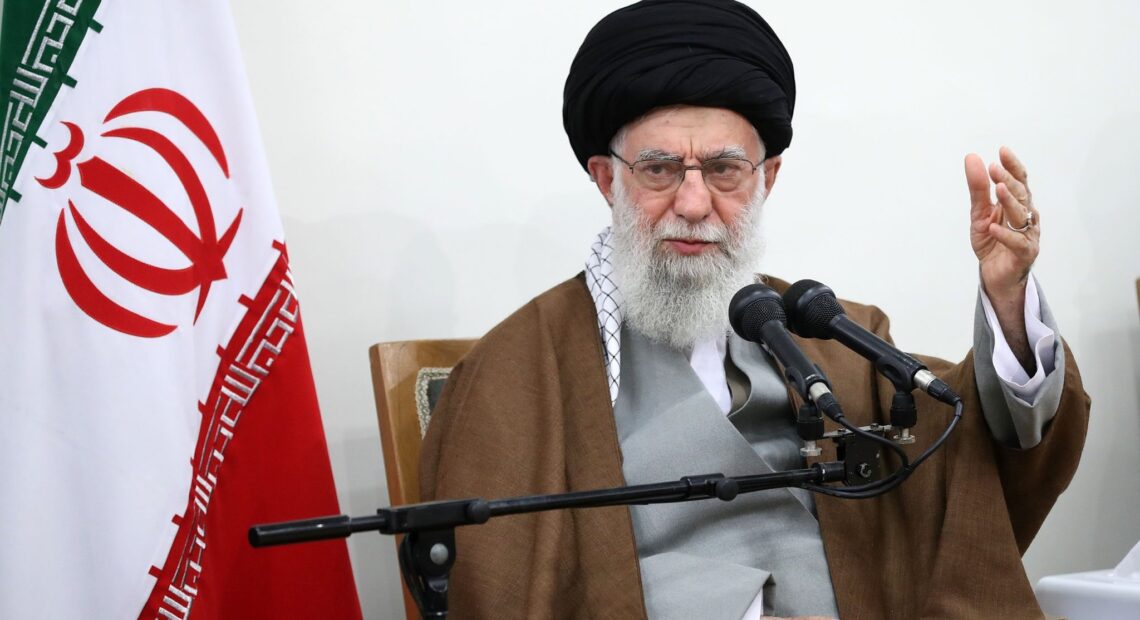
As of April 18, 2026, the Strait of Hormuz remains unstable. Conflicting statements from Iranian authorities have created uncertainty.
Initially, Iran announced the waterway had reopened. However, officials later reversed this position.
Iran Reimposes Strict Control Measures
Iranian military leaders confirmed renewed restrictions on the strait. The Islamic Revolutionary Guard Corps enforced tighter control.
They stated operations had returned to previous conditions. This followed continued pressure from the United States.
Additionally, Iran introduced designated routes for vessels. Ships must now seek prior authorization before transit.
Therefore, access remains limited and highly regulated.
U.S. Maintains Naval Blockade
Meanwhile, Donald Trump reaffirmed Washington’s position. He supported open navigation but upheld the blockade.
The United States continues restricting Iranian port access. Officials insist this will remain until a peace agreement emerges.
Consequently, tensions between both nations remain high.
Shipping Activity Remains Disrupted
Despite earlier reopening claims, shipping activity remains low. Many vessels avoid the strait due to safety concerns.
Additionally, reports suggest fears of sea mines persist. Several ships remain anchored outside the waterway.
As a result, global supply chains face continued disruption.
READ ALSO: Trump Issues 48-Hour Ultimatum to Iran Over Strait of Hormuz
Global Energy Market Impact
The strait handles nearly 20 percent of global oil supply. Therefore, instability directly affects international energy markets.
Initially, oil prices dropped after reopening news. However, renewed restrictions triggered market volatility.
Consequently, investors remain cautious about future supply.
Ongoing Diplomatic Efforts
Diplomatic negotiations continue between involved parties. A temporary ceasefire is set to expire on April 22.
Talks are expected to take place in Pakistan. Leaders hope to prevent further escalation.
Moreover, global stakeholders urge restraint and dialogue.
Strategic Importance of the Strait
The Strait of Hormuz remains a critical global chokepoint. It connects major oil producers to international markets.
Therefore, any disruption carries worldwide consequences. This situation underscores the fragility of global energy security.
Outlook Remains Uncertain
Overall, the situation remains fluid and unpredictable. Conflicting signals continue to affect decision-making.
Thus, shipping firms and governments monitor developments closely. Future stability depends on successful diplomatic engagement.