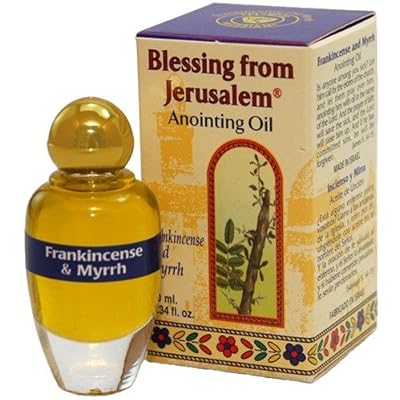

Kenyan Pastors Admit Using Cooking Oil as “Anointing Oil” in Viral Confessions
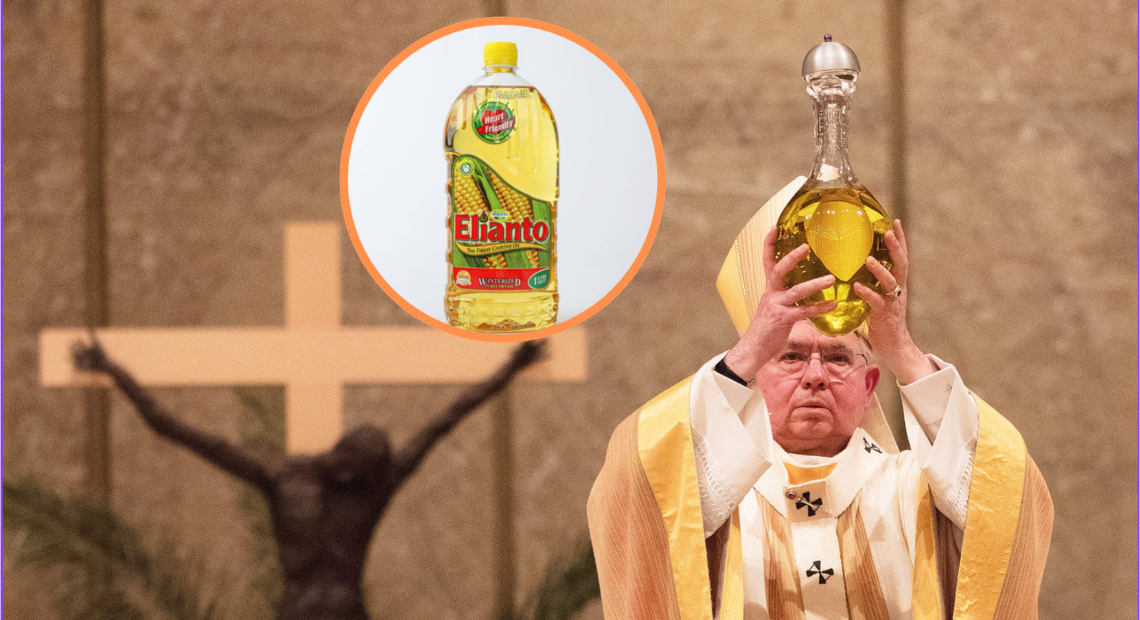
Several Kenyan pastors have sparked debate after admitting to using cooking oil as anointing oil during church services. The confessions recently surfaced in viral social media videos.
In these clips, some pastors claim they used ordinary supermarket cooking oil. They then presented the oil to congregants as a sacred spiritual product.
Consequently, the revelations triggered intense online discussions about religious practices and financial manipulation in churches.
Viral Confession Involving Elianto Cooking Oil
One confession particularly captured public attention in March 2026. A pastor admitted he used Elianto cooking oil purchased from a supermarket.
He then presented the oil as holy anointing oil during church services. According to the pastor, he quoted biblical scriptures to convince worshippers.
As a result, some congregants donated money believing the oil carried special blessings. The video quickly spread online and fueled criticism from many Kenyans. Meanwhile, others defended the pastor, arguing that faith matters more than the oil itself.
Alternative Household Oils Used in Churches
In addition, some pastors have suggested using ordinary kitchen oils during prayers. For example, certain ministers have encouraged believers to bring groundnut oil from home.
They claim that God can transform ordinary oil into anointing oil during services. Therefore, worshippers sometimes bring vegetable oils when olive oil is unavailable.
An image of an ongoing church service with anointing oil. Photo/ Courtesy
However, critics argue such practices risk misleading congregants. Consequently, the debate has raised questions about transparency in modern ministries.
READ ALSO: The ‘Holy Shift’: Gen Z Sparks Global and Kenyan Revival in Church Attendance
Online Debate Over “Anointing Oil Scams”
Following the confessions, social media users began discussing alleged religious scams. Many critics claim some religious leaders exploit believers through symbolic religious items.
They argue ordinary supermarket products are rebranded as spiritual tools. As a result, followers may feel pressured to donate money for blessings.
However, several church leaders have rejected these accusations. Instead, they insist anointing oil represents faith rather than financial transactions.
Biblical Origins of Anointing Oil
Biblical scripture describes a specific formula for sacred anointing oil. The recipe appears in the book of Book of Exodus chapter 30.
According to the passage, the oil included myrrh, cinnamon, calamus, cassia, and olive oil. These ingredients were blended to consecrate priests and sacred objects.
However, many modern theologians interpret the oil symbolically. They argue the true anointing represents the presence of the Holy Spirit. Therefore, the oil itself holds little power without faith.
Faith Versus Physical Symbols
Today, many churches continue using olive oil during prayers and healing services. Nevertheless, theologians emphasize that spiritual faith matters more than the substance.
Consequently, the recent confessions have reignited discussions about authenticity in ministry. Ultimately, the controversy highlights the need for transparency and accountability in religious leadership.