
The End of an Era: MultiChoice to Discontinue Showmax

MultiChoice Group announced on March 5, 2026, that it will discontinue the Showmax streaming service. This decision closes an 11-year chapter for the platform once celebrated as “Africa’s Netflix.”
The main reason for the closure is Showmax’s mounting financial losses. Reports show trading losses surged 88%, reaching R4.9 billion ($260 million) in 2025. Although paying subscribers grew 50% year-on-year, production costs and global competition made the model unsustainable.
Consequently, the company concluded continuing Showmax is financially unviable.
Strategic Shift After Canal+ Acquisition
MultiChoice recently joined the French media giant Canal+ in a $3 billion acquisition. Following this, the board reviewed the platform and opted for a strategic shift.
First, Canal+ plans to launch a new large-scale streaming platform across Africa. Additionally, MultiChoice will consolidate content and focus on long-term sustainability.
Importantly, MultiChoice confirmed that no staff will be retrenched. Affected employees will receive support and transition options within the organization.
READ ALSO: The Mommy Club NBO’ Set to Premiere on Showmax on May 30, 2025
Tomorrowland Mainstage Destroyed by Fire Before 2025 Festival
What Subscribers Should Know
Subscribers in Kenya, Nigeria, South Africa, and other markets will not face immediate disruption.
No Immediate Action Required: Users can continue streaming their favorite shows for now.
Transition Timelines: MultiChoice will announce final shutdown dates well in advance.
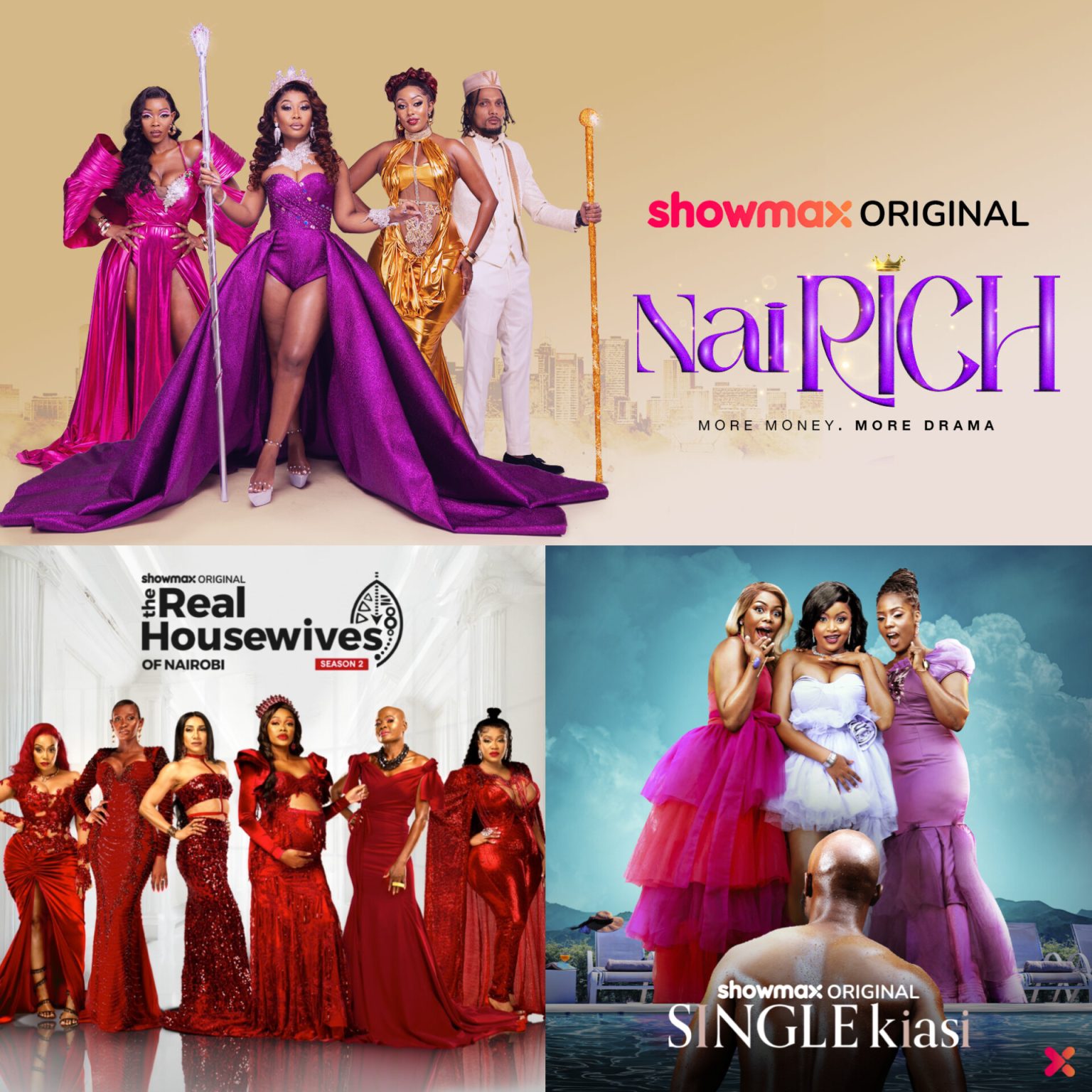
Content Migration: Showmax Originals are being rebranded for MultiChoice linear channels like Africa Magic, M-Net, kykNET, and Mzansi Magic.
The Future of Streaming in Africa
Although the Showmax brand is ending, streaming remains central to MultiChoice and Canal+’s strategy. The group plans to leverage Canal+ technology and partnerships—including potential integrations with Netflix and HBO Max—to enhance entertainment offerings across Africa.
Ultimately, this move signals a shift toward a more sustainable, consolidated, and technologically advanced streaming ecosystem for African audiences.