
How Kenyan Animation Is Rising Globally From Folklore to the Oscars
Kenyan animation has grown rapidly from a niche industry to a global creative force. Today, local animators combine African folklore with modern digital technology.
Consequently, Kenyan productions now appear on global platforms and film festivals. Some projects have even reached the prestigious Academy Awards stage.
Additionally, streaming platforms increasingly seek African stories and voices. Therefore, Kenyan animation continues to gain international recognition and investment.
Breaking Barriers with Historic Global Achievements
Several Kenyan productions have already set international milestones. For example, the animated film TeraStorm made history in 2022.
Director Andrew Kaggia produced the CGI science-fiction film entirely in Kenya. The project became the first African animated feature submitted to the Oscars’ international category.
The film tells the story of African superheroes battling an ancient wizard. Moreover, the production used advanced tools like Unreal Engine. This achievement proved that African studios can create high-quality animation locally.
Another major success came with Enkai in 2023. Director Ng’endo Mukii created the short film for the anthology Kizazi Moto: Generation Fire. The project premiered on Disney+ and later won an Annie Award.
Global Platforms Drive Growth and Visibility
Digital platforms have expanded global audiences for Kenyan animation. For instance, the children’s series Super Sema gained millions of views online.
The show streams on YouTube and inspires children through science themes. It was executive produced by Oscar-winning actress Lupita Nyong’o.
The story follows a young girl who uses technology to solve community problems. Consequently, the show promotes STEM education and youth empowerment.
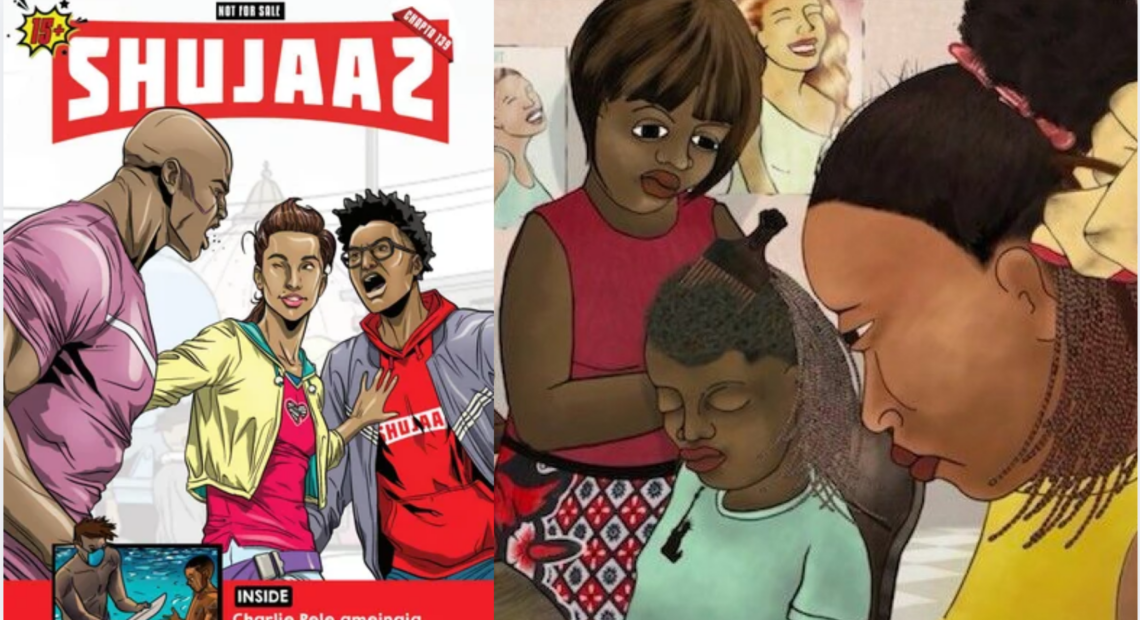
Another influential project is Shujaaz by Well Told Story. The multimedia project won a Digital Emmy Award for youth engagement. It uses animation to address real social challenges affecting African youth.
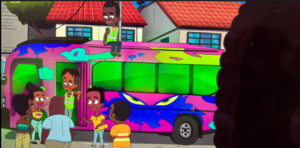
An image of Matwana Culture featured in International Big Mouth Film. Photo/ Courtesy
READ ALSO: Opposite vs Boombox: Nairobi’s Ultimate Matatu Rivalry
Animation Preserves Folklore and Social Commentary
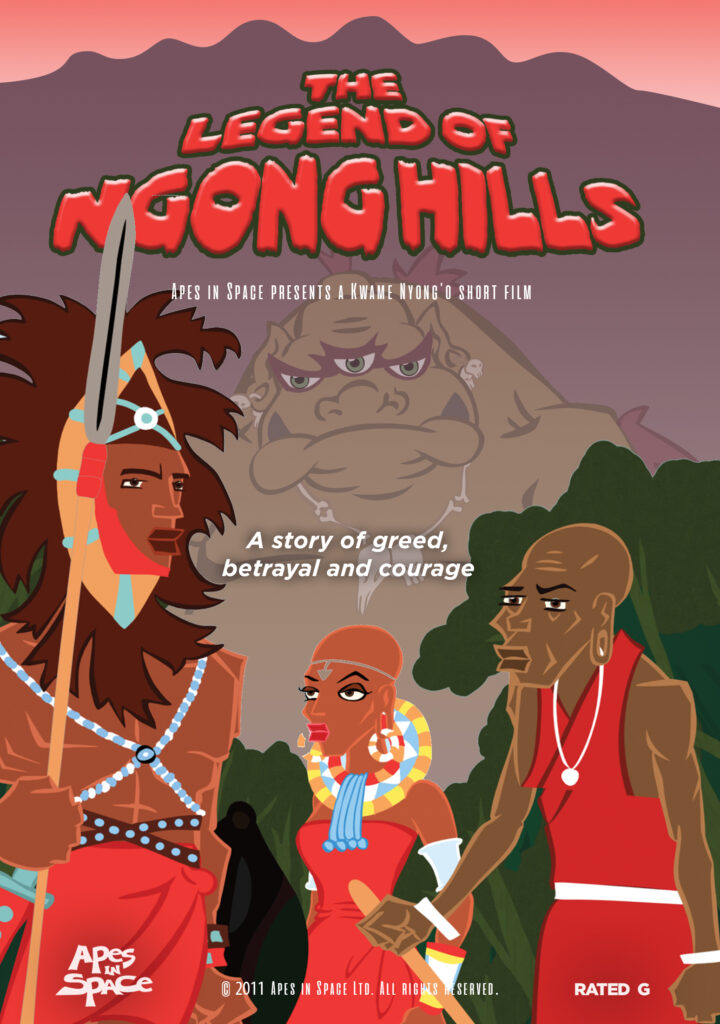
Kenyan animation also protects traditional storytelling. For example, The Legend of Ngong Hills adapts a Maasai folktale.
Director Kwame Nyong’o released the film in 2011. It later won Best Animation at the Africa Movie Academy Awards.
Another powerful project is Yellow Fever by Ng’endo Mukii. The experimental film explores skin bleaching and identity in Africa.
Furthermore, Caged by Stanslaus Manthi gained recognition at regional festivals. Therefore, Kenyan animation often tackles both heritage and social issues.
Future Prospects for Kenyan Animators
The next wave of creators continues to build global momentum. For instance, the project Unseen by Sarah Mallia and Chief Nyamweya gained international attention.
It was selected for development at the Durban FilmMart. Additionally, Kenyan culture increasingly appears in global productions.
The animated series Big Mouth recently featured Nairobi’s matatu culture. Such exposure demonstrates growing global interest in Kenyan stories.
Ultimately, Kenya is becoming a major voice in Afrofuturist storytelling. Local animators now shape global narratives through creativity and innovation.