
Ruto and Museveni Launch Kisumu–Malaba SGR Phase 2C to Boost East African Trade
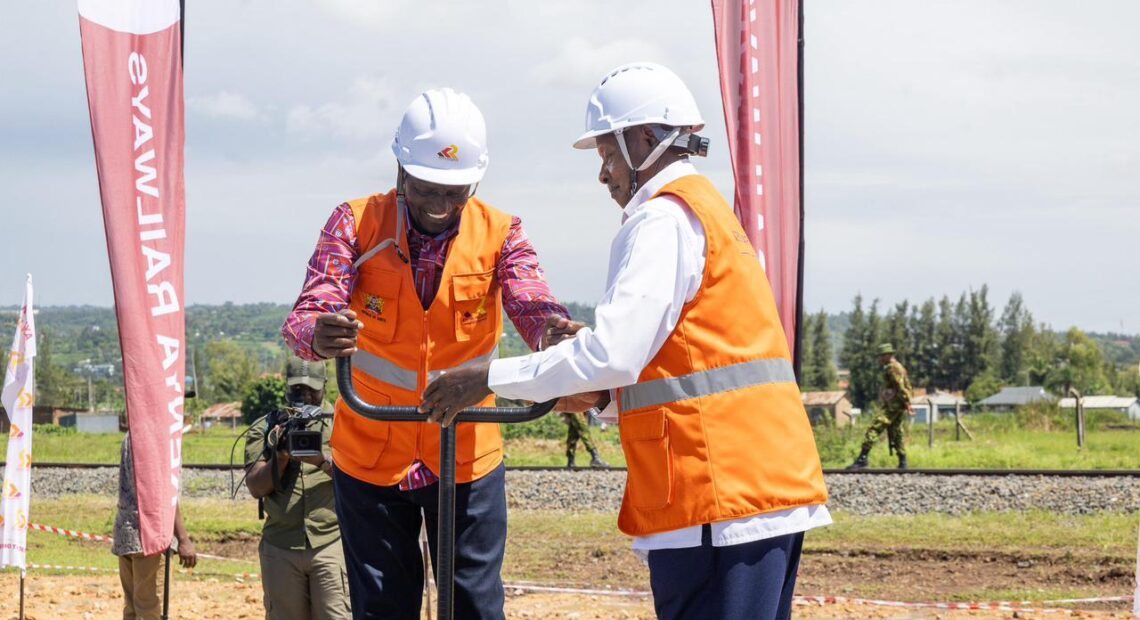
On Saturday, March 21, 2026, President William Ruto and Ugandan President Yoweri Museveni launched the Kisumu–Malaba Standard Gauge Railway (SGR). This marks the start of Phase 2C, connecting Kisumu to the Malaba border.
Groundbreaking Ceremony at Kibos Station
Leaders kicked off the event at Kibos Station in Kisumu East. Earlier, President Ruto launched Phase 2B, linking Naivasha to Kisumu, on March 19.
During the ceremony, both presidents tightened a symbolic bolt, officially starting construction and demonstrating strong cross-border cooperation.
Project Scope and Timeline
The Kisumu–Malaba SGR extension covers 107 kilometers and aims for completion by June 2027. The project forms part of a regional infrastructure plan worth over KSh 500 billion, modernizing East Africa’s transport network.
Additionally, the extension links the Port of Mombasa directly to Uganda, reducing cargo transport costs and travel time. This connectivity will boost trade efficiency across the region.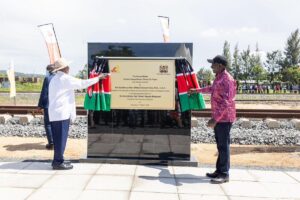
READ ALSO: Ruto Launches 475km Naivasha–Kisumu–Malaba SGR Extension to Boost Trade
Economic and Regional Impact
President Ruto said the SGR will transform Kisumu into a regional logistics and economic hub. Consequently, businesses and traders will benefit from faster and cheaper transport.
President Museveni highlighted the railway’s role in strengthening East African economic integration. Improved transport infrastructure will enhance trade ties and regional cooperation.
Strategic Significance
The Kisumu–Malaba SGR extends beyond transport. It enhances regional connectivity, attracts foreign investment, and creates jobs.
Moreover, the railway will spur industrial growth along its route. Both governments pledged to ensure timely completion while maintaining high standards.
With Phase 2C underway, the SGR network continues to expand, driving economic growth for Western Kenya and Uganda. The project signals a new era of regional infrastructure cooperation and modernized transport logistics.
As construction progresses, stakeholders expect faster trade, smoother logistics, and stronger ties between the two nations.