
Kenya Seeks World Bank Support Amid Fuel Crisis

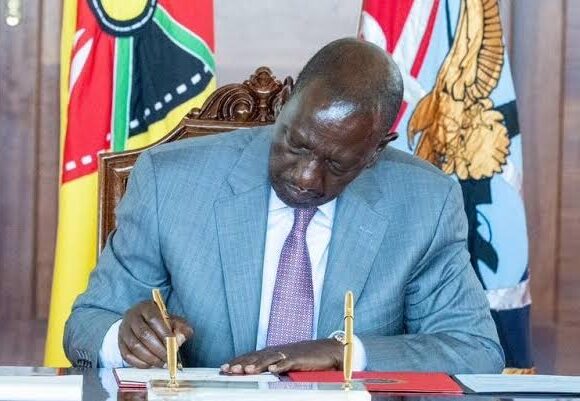
As of April 17, 2026, the Government of Kenya has requested urgent financial support. The appeal targets the World Bank.
The government aims to cushion the economy from global shocks. These shocks stem from the ongoing Middle East conflict involving Iran.
Consequently, Kenya seeks rapid funding to stabilize fuel supply.
Fuel Prices Surge to Historic Levels
Recently, fuel prices recorded a historic increase nationwide. The Energy and Petroleum Regulatory Authority announced the hike.
Super petrol rose by over KSh 28 per litre. Meanwhile, diesel increased by more than KSh 40.
However, the government later revised prices downward. It reduced VAT to ease the burden on consumers.
Currently, Nairobi prices remain significantly high. Petrol averages around KSh 197.60 per litre.
Therefore, the cost of living continues to rise sharply.
Details of the Emergency Loan Request
The government is seeking rapid-response financial support. This funding will stabilize fuel imports and supply chains.
Additionally, it aims to prevent further price spikes. Officials confirmed the request during global financial meetings.
Kamau Thugge provided updates on the negotiations. He emphasized the urgency of the economic situation.
Furthermore, Kenya seeks additional budgetary support funding. This includes previously discussed multi-billion shilling loans.
Delays in Previous Funding Agreements
Earlier World Bank disbursements faced delays. These delays related to pending governance reforms.
For instance, authorities must pass key legislation. The Conflict of Interest Bill remains under review.
Therefore, progress on reforms will influence funding timelines.
READ ALSO: Kenya Unveils World Bank‑Backed Expressway Masterplan
Government Measures to Cushion Citizens
Meanwhile, the government has introduced relief measures. These steps aim to reduce pressure on households.
First, it reduced VAT on fuel significantly. This move lowered pump prices slightly.
Additionally, it deployed billions from the Petroleum Development Levy. This intervention prevented even higher fuel costs.
Moreover, the state continues subsidizing kerosene heavily. This support protects low-income households nationwide.
Economic Outlook and Public Impact
The fuel crisis continues to affect multiple sectors. Transport and food prices have already increased.
Consequently, businesses face higher operational costs. Consumers also struggle with reduced purchasing power.
Ultimately, Kenya’s request signals a critical economic moment. The outcome will shape the country’s short-term stability.