

East African Music Unites Cultures Through Sound

Music across East Africa continues to act as a powerful social connector. It strengthens identity while also promoting cultural unity.
Therefore, artists now use sound to bridge communities. This transformation builds a shared regional cultural experience.
Cross-Border Collaborations Driving Unity
Modern artists increasingly collaborate beyond national borders. For example, the track “AYAYAAH” released in April 2026 stands out.
It features Bien, Element Eleéeh, and Joshua Baraka. Together, they blend diverse East African sounds creatively.
Additionally, they expand audiences across multiple countries. Kenyan fans connect with Rwanda and Uganda listeners.
Moreover, artists mix Swahili, Luganda, and Kinyarwanda languages. Consequently, they create a shared Afro-fusion identity.
Festivals as Cultural Melting Pots
Regional festivals also strengthen cultural unity. They bring artists and audiences together physically.
For instance, Sauti za Busara showcases diverse African genres. It highlights fusion styles like Taarab music.
Additionally, Nyege Nyege Festival attracts global electronic music fans. It combines traditional and modern rhythms creatively.
Furthermore, Bayimba International Festival supports artistic exchange. It helps local talent gain international exposure. Therefore, festivals promote cultural understanding and collaboration.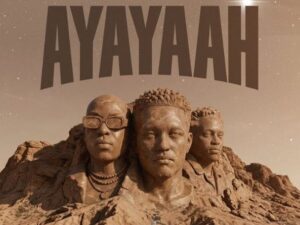
READ ALSO: Bien and Alikiba’s “Finale” Breaks Records Across East Africa
Technology Strengthening Regional Music Bonds
Digital platforms now expand musical reach rapidly. Streaming services allow instant cross-border access.
For example, Spotify and YouTube connect regional audiences. They create virtual listening spaces for all users.
Additionally, affordable internet increases accessibility widely. Therefore, fans discover new regional music easily.
Institutional Support and Industry Growth
Regional initiatives also support industry development. The MEMA Awards promote collaboration over competition.
Moreover, they strengthen the East African music ecosystem. This encourages unity among artists and producers.
Additionally, tourism integrates music into cultural experiences. Festivals now attract international visitors regularly.
Tradition Meets Modern Sound
Artists blend traditional Ngoma drums with Afrobeats. They also integrate Bongo Flava and urban sounds.
Consequently, music becomes a universal language. It transcends borders and cultural differences.
Ultimately, East African music builds lasting solidarity. It continues to shape a united cultural identity.