
Ruto’s English Remark Sparks Africa-Wide Debate Online
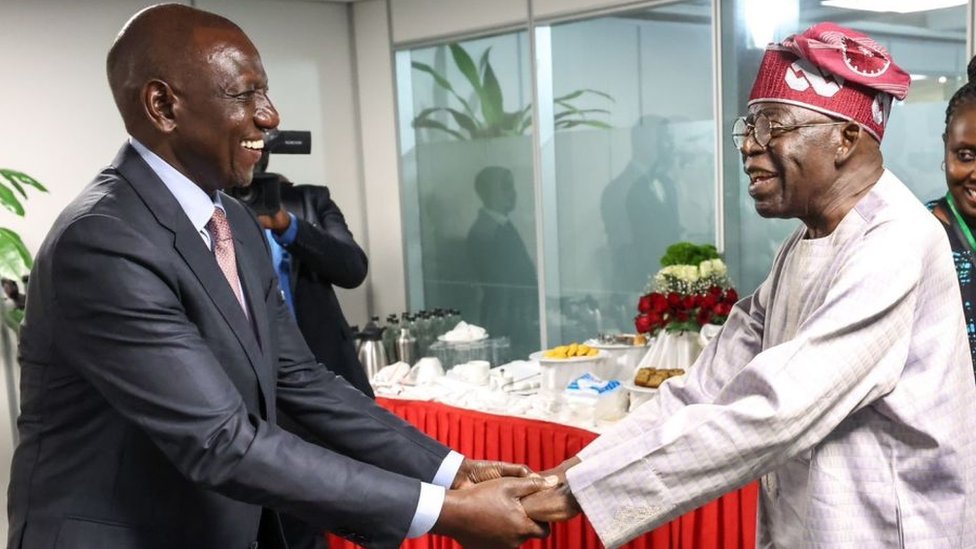
President William Ruto triggered global debate during a visit to Italy. He praised Kenyan English while comparing it with Nigerian speech patterns.
Therefore, his comments quickly went viral across social media platforms. The remarks sparked heated discussions on language, identity, and perception.
Remarks Made at LUISS University
Ruto made the statement at LUISS University in April 2026. He promoted Kenya’s human capital and education quality.
Additionally, he claimed Kenyans speak highly proficient English globally. He suggested Kenyan English ranks among the world’s best.
Moreover, he joked about Nigerian English being difficult to understand. He said listeners may need a translator in some cases.
Consequently, the comment drew immediate international attention.
Language Comparison Sparks Controversy
Ruto’s statement contrasted Kenya with Nigeria directly. He framed it as a humorous but strategic comparison.
However, critics interpreted it differently online. Many accused him of reinforcing linguistic stereotypes.
Additionally, Nigerian users strongly rejected the remarks. They defended their diverse English expressions. Therefore, the debate quickly escalated across platforms.
READ ALSO: Kenya Ranked Among Top English-Speaking Nations in Africa
Social Media Backlash and Reactions
Social media users across Africa reacted strongly. Some criticized the remarks as unnecessary comparisons.
Moreover, others described the comments as divisive. They argued African leaders should promote unity.
Consequently, the debate dominated trending discussions.
Linguistic Context and Expert Views
Experts referenced the EF English Proficiency Index. Kenya ranks highly in English proficiency across Africa.
However, Nigeria’s English reflects linguistic diversity. It blends over 500 indigenous languages and Pidgin English.
Therefore, communication styles differ significantly across regions.
Political and Regional Interpretation
Analysts linked the remarks to broader regional rivalry. They also connected it to recent political exchanges.
Additionally, they suggested diplomatic undertones in the comments. Therefore, interpretation varies widely among observers.
Language, Identity, and Perception
Ultimately, the debate highlights cultural sensitivity in communication. It also shows how language shapes national identity.
Consequently, discussions about English continue to divide opinion. However, they also reflect Africa’s rich linguistic diversity.