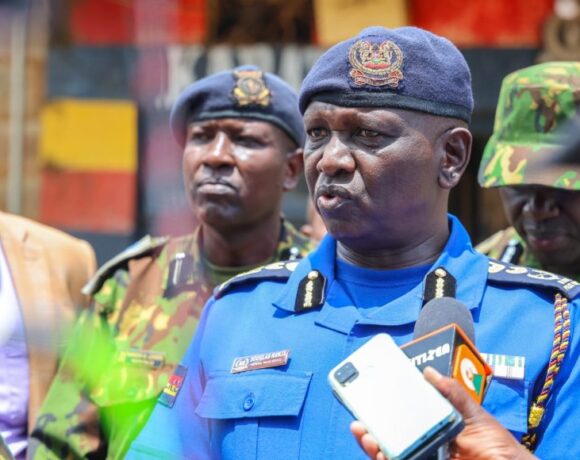

AI to Replace Traffic Police in Nairobi
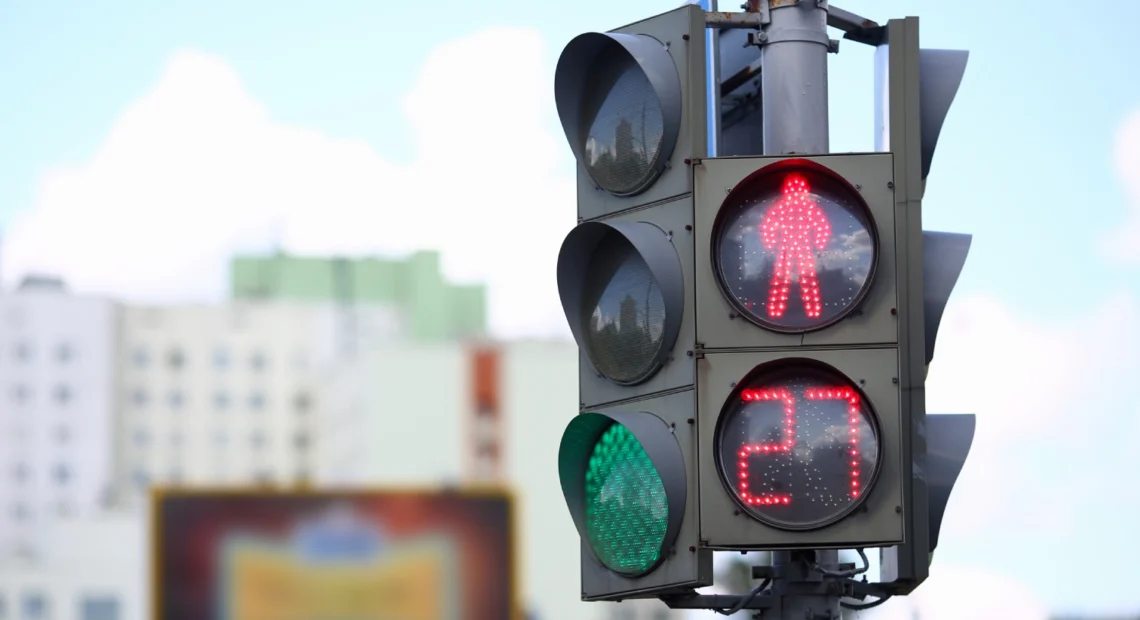
The Kenyan government has allocated KSh 1.18 billion for Nairobi’s Intelligent Transport System expansion. The funding appears in the 2026/2027 national budget.
Additionally, the project targets Phase III implementation citywide. Authorities plan to automate traffic management completely.
Therefore, physical traffic police officers may disappear from major intersections. Artificial intelligence systems will control traffic flow instead.
Smart Technology to Replace Manual Traffic Control
The Intelligent Transport System relies heavily on advanced technology. Authorities will deploy smart cameras and road sensors extensively.
Additionally, artificial intelligence algorithms will monitor traffic continuously. The system will adjust traffic lights automatically.
Therefore, Nairobi aims to reduce congestion more efficiently. Drivers may experience smoother movement across busy roads.
The command center will operate from City Cabanas. Officials will monitor live traffic data centrally.
Additionally, sensors will track vehicle speeds accurately. The technology will also calculate passenger numbers.
Therefore, traffic lights will respond to real-time congestion levels. Authorities expect faster traffic movement eventually.
Major Nairobi Intersections Targeted First
The project focuses on 125 critical traffic bottlenecks initially. Several busy intersections received priority status immediately.
Additionally, Moi Avenue and Kenyatta Avenue remain key targets. Koinange Street and Kenyatta Avenue also feature prominently.
Authorities will also automate Raila Odinga Way intersections. Limuru Road and Muthaiga Road are included too.
Therefore, commuters in Nairobi’s busiest areas may benefit first. The government hopes to reduce daily traffic delays significantly.
China Loan Supports the Massive Infrastructure Plan
The project depends heavily on foreign financing support. Kenya secured a concessional loan from China.
Additionally, the funding comes from the Export-Import Bank of China. The loan amounts to approximately KSh 23.9 billion.
The Kenyan Treasury will also contribute directly. Authorities allocated KSh 75 million from the exchequer.
Therefore, the project combines local and external funding sources. Officials expect gradual implementation over several years.
READ ALSO: South Korea Ordains First Robot Monk “Gabi”
Full Traffic Automation Expected by 2029
Authorities have outlined a phased implementation timeline carefully. The project targets 50 percent completion by 2028.
Additionally, full automation is expected in 2029. Officials believe the technology will modernize Nairobi significantly.
Therefore, Kenya continues embracing digital infrastructure solutions. Transport systems now form part of broader modernization efforts.
AI Expands Into Broader Policing Systems
The project aligns with wider digital policing reforms nationally. Kipchumba Murkomen supports technology-driven governance strongly.
Additionally, police services are shifting toward digital reporting systems. Physical Occurrence Books may eventually disappear.
Authorities also plan automated traffic penalties. AI systems may detect speeding and red-light violations instantly.
Therefore, Kenya’s law enforcement sector continues evolving technologically. Digital governance now shapes many public services nationwide.
Nairobi Moves Toward Smart Traffic Management
Nairobi’s AI traffic project marks a major urban transformation. Technology will increasingly manage roads and intersections automatically.
Ultimately, authorities hope the system improves efficiency and safety. Therefore, Nairobi may become one of Africa’s smart traffic cities.