

Kenya’s Oil Era to Begin in December 2026
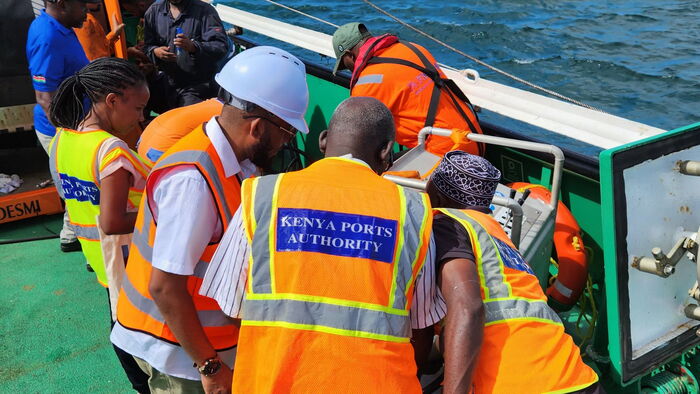
Kenya is months away from a defining economic milestone. Specifically, commercial oil production is scheduled to begin by December 2026, marking the country’s entry into the global petroleum industry. Furthermore, a recent four-day oil spill training exercise in Lamu County signals that active preparation is already well underway.
The Pipeline That Makes It All Possible
Crude oil from the South Lokichar Basin in Turkana will travel through an 890-kilometre pipeline to Lamu Port for global export. Specifically, the LAPSSET Corridor serves as the infrastructure backbone of Kenya’s entire oil export strategy.
Furthermore, trained personnel will supervise the pipeline delivery from inland extraction fields all the way to the marine loading berths at Lamu Port. Consequently, Lamu becomes Kenya’s gateway to the global oil market.
Production Scale and Long-Term Targets
Kenya is adopting a phased production model to manage upfront capital risks. Specifically, extraction will launch at 20,000 barrels per day. Furthermore, production is planned to scale progressively to 50,000 barrels per day by 2032.
Additionally, the fields under commercial development hold an estimated 326 million barrels of extractable oil over a 25-year lifespan. Consequently, the economic impact on Kenya’s GDP could be transformational.
Economic Promise vs Environmental Risk
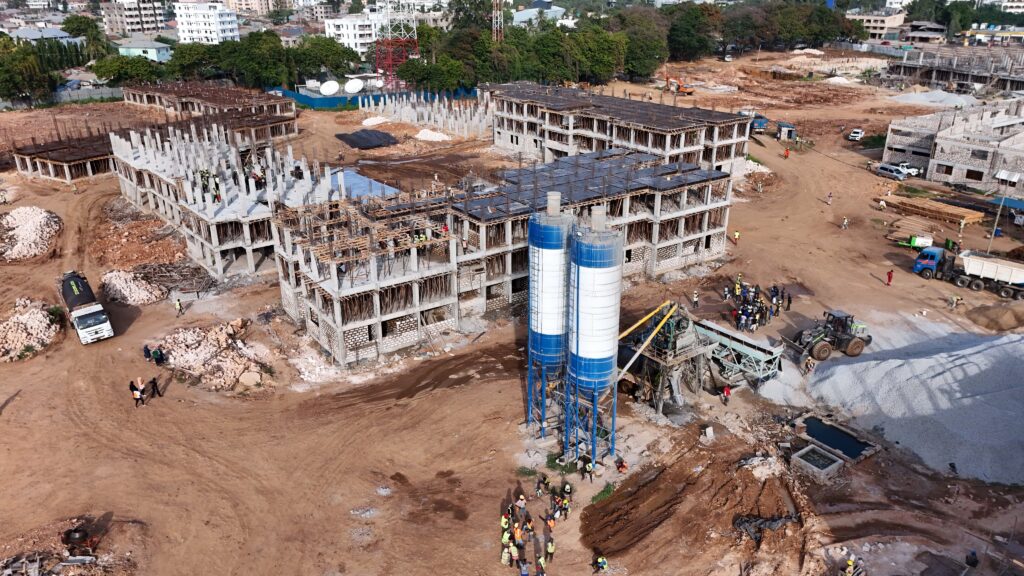
The project creates over 3,000 direct jobs and opens up Northern Kenya’s economic potential. Furthermore, the LAPSSET corridor diversifies regional trade routes significantly. However, Lamu is a fragile UNESCO World Heritage site.
Consequently, local advocacy groups including Save Lamu have raised serious concerns about potential oil spills damaging coral reefs and destroying indigenous fishing livelihoods.
Therefore, the oil spill drill directly validates Kenya’s National Oil Spill Contingency Plan to ensure rapid multi-agency containment in case of an accident.
Why the Lamu Drill Matters
Kenya cannot afford a maritime disaster at its primary export gateway. Therefore, training personnel to manage spills before production begins is not optional, it is essential.
Furthermore, the drill tests coordination between multiple government agencies under real emergency conditions. Consequently, December 2026 will arrive with Kenya as prepared as possible for its oil debut.