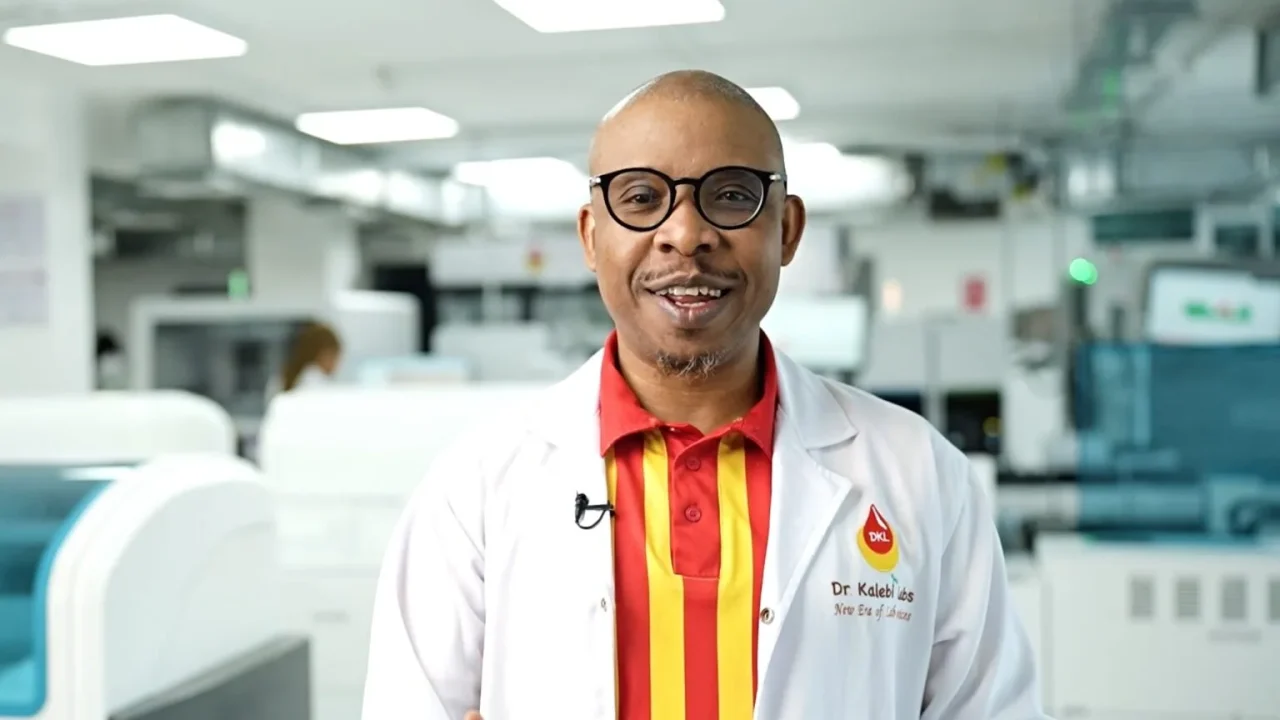
Dr Ahmed Kalebi has earned international recognition for his contributions to pathology and laboratory medicine.
The Kenyan pathologist joins 14 other honourees, becoming the founding group’s only representative from Africa and a low- or middle-income country.
Kenyan pathologist Dr Ahmed Kalebi has joined The Pathologist’s inaugural Hall of Fame for contributions to pathology and laboratory medicine. He is the only African among the 15 founding honourees.
Kalebi is also the group’s only professional from a low- or middle-income country. The honour recognises his work advancing diagnostic technology in Kenya and modern laboratory systems in resource-constrained healthcare settings.
Ahmed Kalebi earns international recognition
The induction follows six appearances on The Pathologist Power List, which recognises influential professionals in the field. Kalebi featured in 2019, 2020, 2021, 2024, 2025 and 2026.

Other Hall of Fame inductees include the late Professor Christopher D.M. Fletcher of Harvard Medical School and Brigham and Women’s Hospital. The group also includes the late Professor Richard Scolyer, a melanoma pathologist associated with the University of Sydney and Melanoma Institute Australia.
Kalebi expressed gratitude for the honour, describing his inclusion alongside internationally accomplished colleagues as particularly meaningful. However, he stressed that the recognition extended beyond his own career to Africa’s pathology and laboratory medicine professionals.
He said the induction reflected the talent, resilience and potential within the profession across the continent. Kalebi also credited colleagues who had supported his career, particularly the team at his Nairobi laboratory.
Nairobi laboratory marks second anniversary
The recognition comes days after Dr Kalebi Labs marked its second anniversary on October 16. Kalebi founded the specialised referral diagnostic laboratory in October 2024.
The facility uses a paperless, digital-first model that combines laboratory automation with advanced diagnostic tools. Its systems include digital pathology, molecular diagnostics, flow cytometry, next-generation sequencing and artificial intelligence-enabled technology.
Kalebi established the laboratory to demonstrate how African facilities could develop and deploy advanced diagnostic technologies. The aim, he said, was to improve diagnostic quality, efficiency and patient care.
He also praised the laboratory’s team for showing that Kenya could deliver advanced laboratory medicine locally. For that reason, he said, the honour belonged to his colleagues as much as to him.
Call to strengthen African diagnostic capacity
Kalebi has more than two decades of experience spanning diagnostic pathology, medical education, professional leadership and laboratory innovation. Alongside that work, he has advocated greater recognition of pathology’s role in effective healthcare.
He said the honour should bring greater attention to African scientific expertise while encouraging stronger diagnostic services. He also called for more opportunities for African professionals to gain international recognition.
At the same time, Kalebi urged continued investment in diagnostic capabilities, institutions and professional capacity at home. He said African healthcare systems urgently needed those foundations.