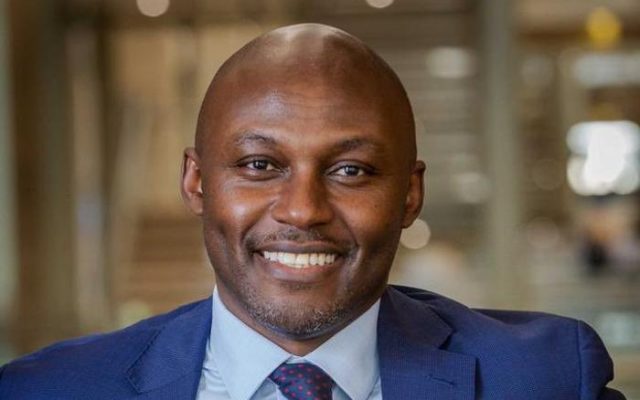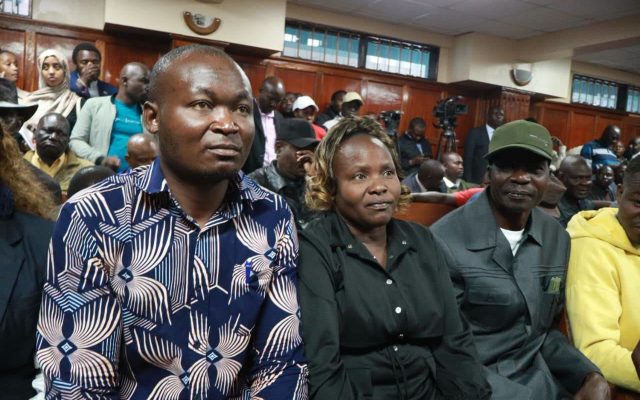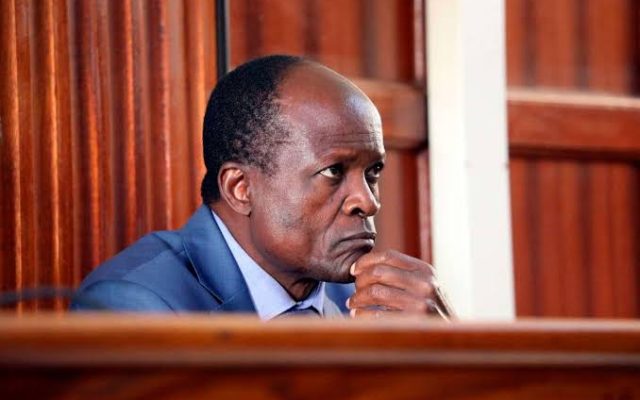



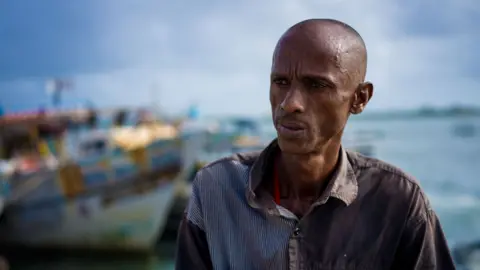
Ali Kololo, the Kenyan man whose wrongful conviction was overturned after spending more than a decade in prison.
A Kenyan man who spent more than a decade in prison after a wrongful conviction has accused London’s Metropolitan Police of destroying his life through misleading evidence.
Ali Kololo received a death sentence in 2013 over the 2011 attack on British couple David and Judith Tebbutt at the Kenyan coast. Kenya’s High Court overturned his conviction in April 2023.
Somali gunmen raided the couple’s beach bungalow, killed David and abducted Judith. They held her captive in Somalia for six months before securing her release.
Metropolitan Police detectives travelled to Kenya to assist local investigators. However, their involvement later raised serious questions about the evidence used against Kololo.

Kololo is now suing the Metropolitan Police over the conduct of former Detective Superintendent Neil Hibberd. He accuses the retired officer of presenting misleading evidence and unlawfully securing his conviction.
In his first media interview, Kololo told the BBC that the case destroyed his family and left him struggling to rebuild his life.
How Ali Kololo Was Arrested and Convicted
Before his arrest, Kololo lived with his wife and three young children. He previously worked as a groundskeeper at the resort where the Tebbutts stayed.
By 2011, however, he earned his living cutting trees in a nearby forest and selling timber. He says he comfortably supported his family before the arrest.
Kenyan police arrested him within 24 hours of the attack. Kololo alleges that officers tortured him for several days to force a confession.
He claims officers beat him with clubs, burned him with cigarettes and forced him to confess. They also allegedly made him place his thumbprint on a statement he could not understand.
Kololo could neither read nor write. He maintains that the statement falsely identified him as the person who led the attackers to the couple.
The Kenyan police told the BBC that the force always strives to operate within the law. However, Kololo has directed his compensation claim against the Metropolitan Police.
A team of British detectives arrived in Kenya shortly after the attack. Former Detective Superintendent Neil Hibberd led the team.
The UK government had instructed the officers not to accept information obtained through interrogations by Kenyan authorities. Despite this restriction, Hibberd requested Kololo’s statement and later relied on it during the prosecution.
Hibberd also presented footwear evidence linking Kololo to the crime scene. He told the court that Kololo wore shoes matching marks investigators found in the resort’s sand.
However, the officer who arrested Kololo reportedly said he was barefoot when police received him. The Metropolitan Police’s own forensic examination also failed to establish whether the shoes made the marks.
Kololo initially lacked legal representation during his trial. He had to question prosecution witnesses himself, including Hibberd, through a Swahili interpreter.
He believes poverty and his inability to defend himself contributed to his conviction.
The court eventually found him guilty of kidnapping and robbery with violence. He remains the only person convicted in connection with the attack.
UK Police Investigation Raises Questions
Kololo spent three years on death row before authorities commuted his sentence to life imprisonment.
He recalls discovering the word “death” in the expiry-date section of his prison file. The discovery left him fearing execution and separation from his children.
Years later, the UK’s Independent Office for Police Conduct investigated Hibberd’s involvement.
The watchdog found that the former officer had withheld significant forensic evidence during the trial. It concluded that Hibberd would have faced a gross misconduct case if he had remained in the force.
However, his retirement prevented disciplinary proceedings. His lawyer previously said Hibberd strongly disagreed with the report’s findings.
In April 2023, Kenya’s High Court overturned Kololo’s conviction over doubts surrounding the prosecution’s evidence.
His release followed years of legal assistance from charity Reprieve and Kenyan lawyer Alfred Olaba. Olaba represented him without charge.
Judith Tebbutt also supported efforts to establish his innocence. In a 2022 BBC interview, she said Kololo had become a scapegoat.
She maintained that he was not among the attackers who killed her husband and abducted her.
Life After Prison: Family Separation and Poverty
More than three years after his release, Kololo continues to struggle with the physical and emotional effects of imprisonment.
He recalls sharing a filthy, bedbug-infested cell with up to eight inmates. During his incarceration, he contracted tuberculosis twice and nearly died.
His health now prevents him from returning to the woodcutting work that once supported his family.
Kololo lives alone in a mud hut on Lamu Island. He struggles to grow enough food, while unreliable rainfall makes survival even harder.
His wife divorced him during his imprisonment, and their children moved in with his mother. Financial difficulties also forced the children to abandon school.
Kololo says prison authorities never allowed his children to visit him. Consequently, they barely recognised him following his release, especially his youngest child.
He credits his mother with keeping the family together during his absence. Without her support, he fears his children might not have survived.
Despite his circumstances, Kololo remains hopeful that his lawyers will secure justice. However, discussions about the Metropolitan Police still trigger anger.
He accuses both Kenyan and British police of working together to implicate him in the attack. According to Kololo, Hibberd’s testimony destroyed his future and damaged his children’s lives.
Metropolitan Police Faces Compensation Lawsuit
The Metropolitan Police has neither apologised to Kololo nor accepted responsibility for his conviction. Instead, the force continues to challenge his compensation claim in court.
In its response to the BBC, the force expressed sympathy for Kololo, Tebbutt, her family and everyone affected by the attack.
The Metropolitan Police also reaffirmed its commitment to supporting Kenyan authorities in pursuing justice for the victims.
However, Reprieve’s head of UK litigation, Preetha Gopalan, criticised the force’s handling of the case.
She described its conduct as egregious and accused the force of avoiding accountability for years. Gopalan also argued that continued legal proceedings have prolonged Kololo’s suffering.
Kololo believes financial compensation cannot restore his lost years or repair the damage to his family. Nevertheless, he hopes the case will help him support his children and secure his future.
“Even if I get a billion shillings, I will never be the same,” he told the BBC.
He says receiving the justice he deserves would at least give him an opportunity to care for his children and himself in old age.