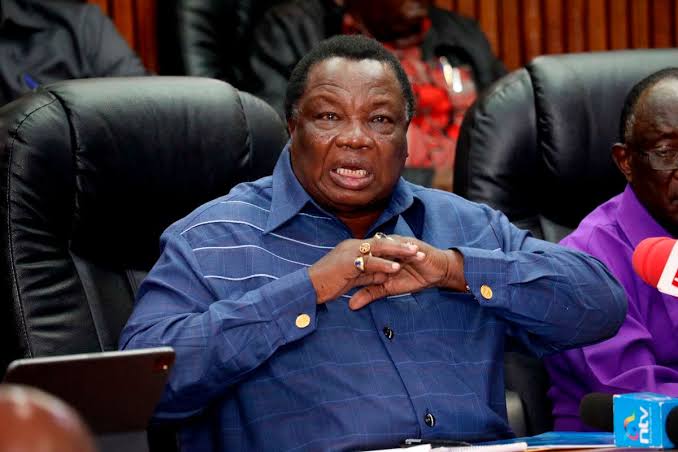
COTU Secretary-General Francis Atwoli has defended NSSF against allegations he described as unsupported.
Francis Atwoli challenges lawmakers to provide evidence of misconduct, while defending the fund’s investment performance and benefits processing.
COTU warns MPs that unsupported allegations about the National Social Security Fund could undermine trust in workers’ retirement savings. The union urged lawmakers to present evidence of misconduct and pursue formal accountability channels.
In a statement, Secretary-General Francis Atwoli criticised remarks during debate on the Public Service Superannuation Scheme (Amendment) Bill. He said broad accusations risked damaging an institution that millions of workers rely on for retirement security.
The union also singled out National Assembly Majority Leader Kimani Ichung’wah for criticism. It expressed disappointment, citing what it described as their cordial working relationship on legislation affecting workers’ welfare.

COTU warns MPs against unsupported allegations
COTU said it welcomed parliamentary oversight of institutions managing workers’ savings. However, it argued that responsible scrutiny required evidence rather than general accusations against NSSF management.
The union said neither its members nor its 47 affiliated trade unions had reported the alleged problems. These included claims of denied benefits and demands for cash by officials to facilitate payments to retirees.
It therefore challenged MPs to identify affected contributors and provide evidence for investigation through the appropriate channels. COTU maintained that Parliament should exercise its constitutional oversight role without weakening public confidence.
The union also cautioned against debate that could discourage employers and workers from meeting statutory contribution obligations. It warned that declining trust could deter voluntary savers and weaken efforts to expand social protection.
Union cites portfolio growth and investment returns
In defending NSSF, COTU said its portfolio had grown from about Sh312 billion to Sh814 billion over three years. The union said that growth put it on course to reach Sh1 trillion.
It also recalled that the portfolio stood at Sh26 billion when Atwoli joined the NSSF board. By his departure in 2021, the union said, it had reached Sh300 billion.
COTU cited investment returns of about 11 per cent in 2023/2024 and 17 per cent in 2024/2025. In addition, it said NSSF had received clean audit opinions from the Auditor-General for two consecutive years.
The union presented these figures as evidence of stronger financial reporting and progress in growing retirement savings. It also cited consideration of alternative investments, including the Rironi-Mau Summit Highway, as a possible avenue for improving returns.
However, COTU warned that the growing portfolio could attract political attempts to influence investment and management decisions. It urged the board and management to resist intimidation, blackmail and pressure ahead of the 2027 General Election.
Benefits access and retirement coverage
COTU also disputed claims that retirees in remote counties, including Marsabit and Garissa, must travel to Nairobi for benefits. Atwoli said NSSF operated 64 branches where members could submit claims, seek help and make inquiries.
He further said average benefits processing time had dropped from about 87 days to seven days. Meanwhile, the union said it was engaging management on reducing that period to one day.
COTU argued that lawmakers should consider these service improvements when assessing the fund’s performance. Nevertheless, it maintained that the appropriate authorities should investigate concerns about possible misconduct.
The union also urged MPs to promote NSSF’s Haba na Haba savings product among informal workers. It said political leaders should encourage wider pension coverage and voluntary contributions rather than discourage saving.
COTU has two representatives on the NSSF Board of Trustees. It said their role includes protecting contributors, demanding accountability and resisting interference that could jeopardise workers’ savings.