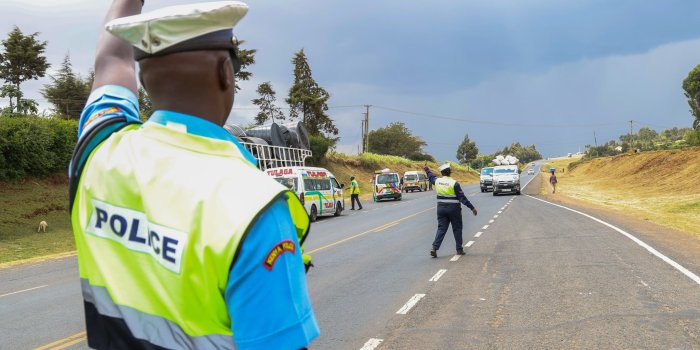
The proposed traffic amendments would set detention deadlines for vehicles and motorcycles.
The transport committee recommends detention deadlines and custody safeguards but rejects matatu operators’ proposed 24-hour limit.
Police could hold impounded vehicles for up to 14 days under proposed amendments to the Traffic Act. The National Assembly’s transport committee has backed the changes, rejecting matatu operators’ request for a 24-hour limit.
The Traffic (Amendment) Bill, 2026, would set detention deadlines for vehicles and motorcycles seized during traffic investigations. Kitui Central MP Robert Ngui Basil sponsors the Bill, which has yet to become law.
The Departmental Committee on Transport and Infrastructure has recommended that the National Assembly approve the Bill with its proposed changes.

Proposed deadlines for impounded vehicles
Under the amendments, police could retain vehicles for up to 48 hours where photographs or assessment reports provide sufficient court evidence. However, cases requiring further investigation would carry a maximum detention period of 14 days from the impoundment date.
The Bill seeks to change Section 107 of the Traffic Act. Currently, that provision allows police to hold vehicles while making inquiries, without a specific statutory deadline.
The Matatu Owners Association had instead proposed a 24-hour limit to guard against prolonged police detention. However, the committee declined to adopt that request.
The memorandum accompanying the Bill identifies protection of owners’ property rights as its central aim. It seeks to prevent authorities from unreasonably depriving vehicle and motorcycle owners of their property.
Custody safeguards and enforcement proposals
Meanwhile, the committee recommended safeguards requiring officers in charge of police stations to take reasonable care of detained vehicles and motorcycles. The measures aim to prevent damage or loss during police custody.
Police would also have to issue written notices when they detain vehicles and when they release them. These notices would give owners a record of both actions.
However, the amendments would preserve courts’ authority to issue orders under Section 121 of the Criminal Procedure Code.
Separately, the committee rejected the association’s proposals for electronic ticketing, digital records and cashless payments. Those proposals sought collaboration between the National Police Service and NTSA.
The association also requested clearer protections against repeated roadside stops, arguing that unnecessary interruptions affected public transport operators. Lawmakers declined to include those proposals in the Bill.