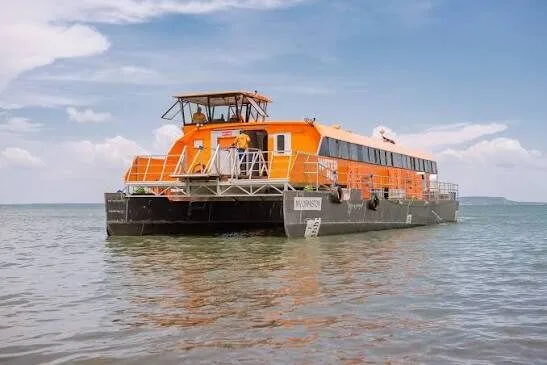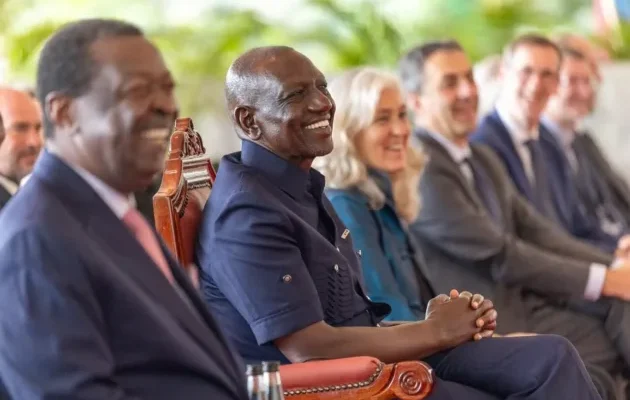
Kisumu hosted public consultations on Kenya’s proposed maritime investment framework.
The government is consulting stakeholders on incentives for maritime businesses, from fishing and port operations to shipbuilding and green energy.
Kenya’s proposed maritime investment policy seeks to attract local and foreign investors through tax relief and operational reforms. The framework targets businesses across the blue economy, including fisheries, ports, shipbuilding and green energy.
The State Department for Shipping and Maritime Affairs and Kenya Maritime Authority (KMA) organised a public participation forum in Kisumu on Friday. Stakeholders considered the draft Kenya Maritime Investment Policy and Incentives Regime as part of nationwide consultations.
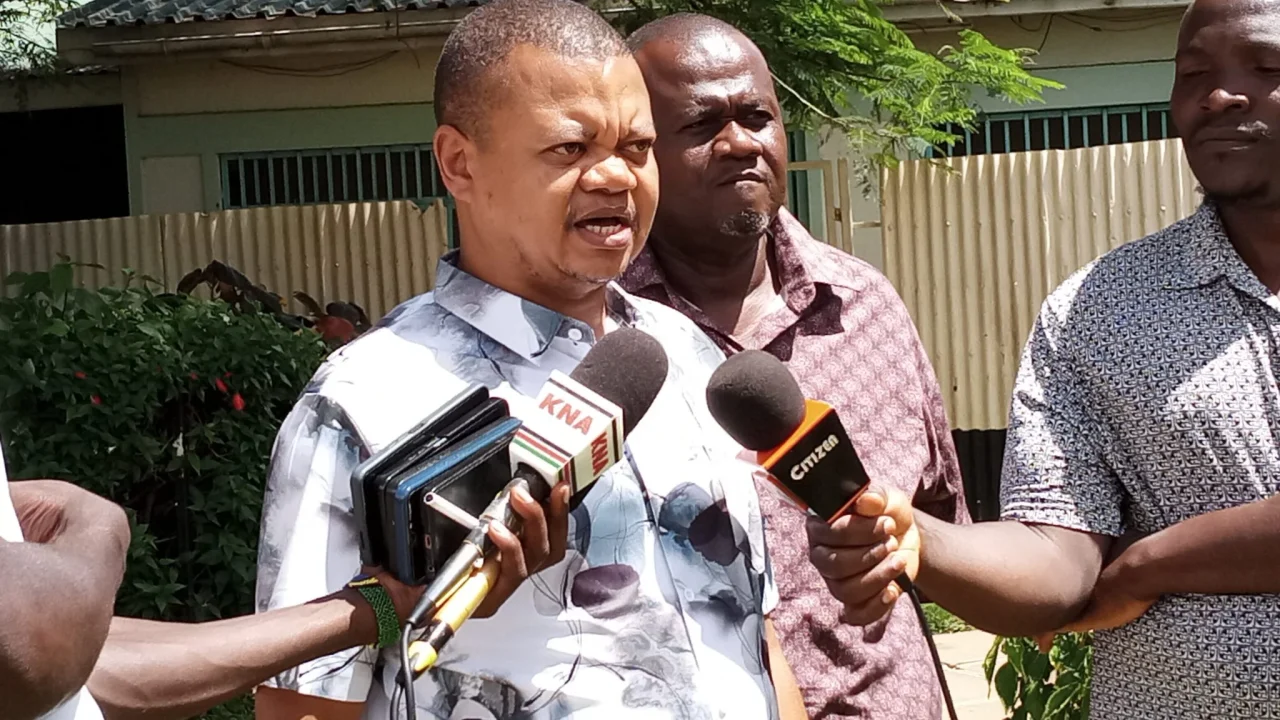
KMA Director of Maritime Trade and Development Joseph Kabeku said the proposal would bring maritime activities under one investment framework. He said the aim was to make Kenya more attractive to both domestic and foreign investors.

Maritime investment policy outlines proposed incentives
The proposed tax incentives include capital allowances, Value Added Tax exemptions and relief from railway development levies. Investors could also receive relief from import declaration fees under the draft framework.
Beyond tax measures, the proposal includes infrastructure development, simpler documentation and improved operational procedures. It also seeks changes to the legal and regulatory environment governing maritime investment.
The framework covers maritime transport and logistics, ship repairs and recycling, container manufacturing and ship bunkering. Maritime education and training, safety and security also fall within its scope, alongside fisheries, ports and green energy.
Meanwhile, State Department Director of Planning Gideon Mwangi said the incentives would serve large investors and small operators alike. These include fishermen who need affordable equipment, such as fishing nets.
He also highlighted access to financing as important for participation in the maritime economy. Beach Management Units, he said, would play a key role in shaping the policy.
Consultations target coastal and inland water economies
Mwangi said the government was developing the framework to tap underused marine and inland water resources. He identified the blue economy as a priority within Kenya’s development agenda.
Alongside Kenya’s approximately 640-kilometre coastline, he cited its extensive Exclusive Economic Zone as an investment opportunity. Inland resources include Lake Victoria, Lake Naivasha and Lake Baringo.
Kenya’s inland waters cover about 10,700 square kilometres, Mwangi said. He added that these waters offer opportunities in fisheries, minerals and other economic activities.
The government is also seeking input from women, young people and persons with disabilities before finalising the document. Consultations target counties whose economies rely on marine and inland waters.
Mwangi said earlier engagements covered Lamu, Kwale, Mombasa, Kilifi, Nakuru and Naivasha, with Turkana hosting the final consultation. Stakeholders can also submit written memoranda through channels on the department’s and KMA’s websites. Their views will inform the final draft.