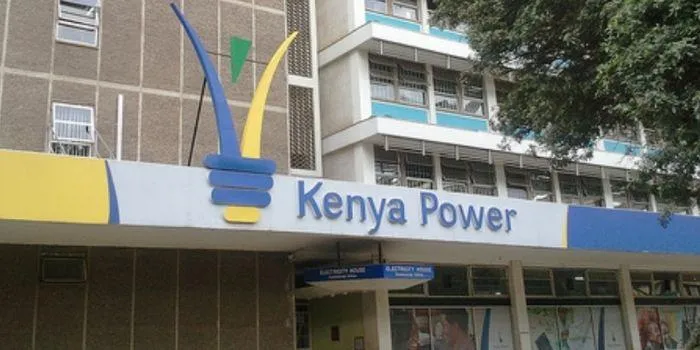
Kenya Power has addressed contested bills involving customers in Naivasha and Roysambu.
Kenya Power warns against disrupting services as it addresses contested electricity bills in Naivasha and Roysambu.
Kenya Power has warned customers against disrupting operations over billing disputes after incidents at its Naivasha and Roysambu offices.
In a November 12 statement, the company explained its handling of two contested electricity bills. The response followed disruptions at both offices the previous day, with videos circulating widely online.
The utility said it takes complaints seriously and recognises the frustration customers experience over billing concerns. However, it said public discussion of the incidents had prompted it to address individual cases despite confidentiality concerns.

Naivasha billing disputes draw scrutiny
In the Naivasha case, Kenya Power alleged that a customer’s premises drew electricity through a punctured cable. The company said this resulted in unmetered consumption, prompting it to disconnect supply after an inspection in January 2026.
According to the utility, the customer acknowledged the findings following an independent inspection and signed the relevant documents. Kenya Power then charged the customer for the unmetered electricity.
The company also said it offered a flexible payment arrangement, but the customer failed to honour the terms.
Meanwhile, a woman who confronted the company in Naivasha challenged a Ksh200,000 bill. She said she had waited two years for Kenya Power to replace a faulty meter.
She claimed her previous monthly payments ranged from Ksh300 to Ksh400. Her complaint sparked online anger and calls for greater transparency in electricity billing.
Roysambu meter review and wider protests
At the Roysambu office, a separate dispute over an accumulated bill temporarily interrupted normal operations. Kenya Power said an inspection identified a meter anomaly, after which it installed a replacement.
The utility said it calculated the disputed bill using average monthly consumption recorded by the new meter. It described this calculation method as a legal requirement and said discussions with the customer remained ongoing.
Separately, residents and business owners stormed the Naivasha offices on November 11. They protested persistent blackouts, what they described as inflated bills, and alleged corruption.
Police used tear gas to disperse the protesters and arrested 14 people as operations faced disruption. Kenya Power attributed the area’s supply interruptions to ageing infrastructure and population growth.