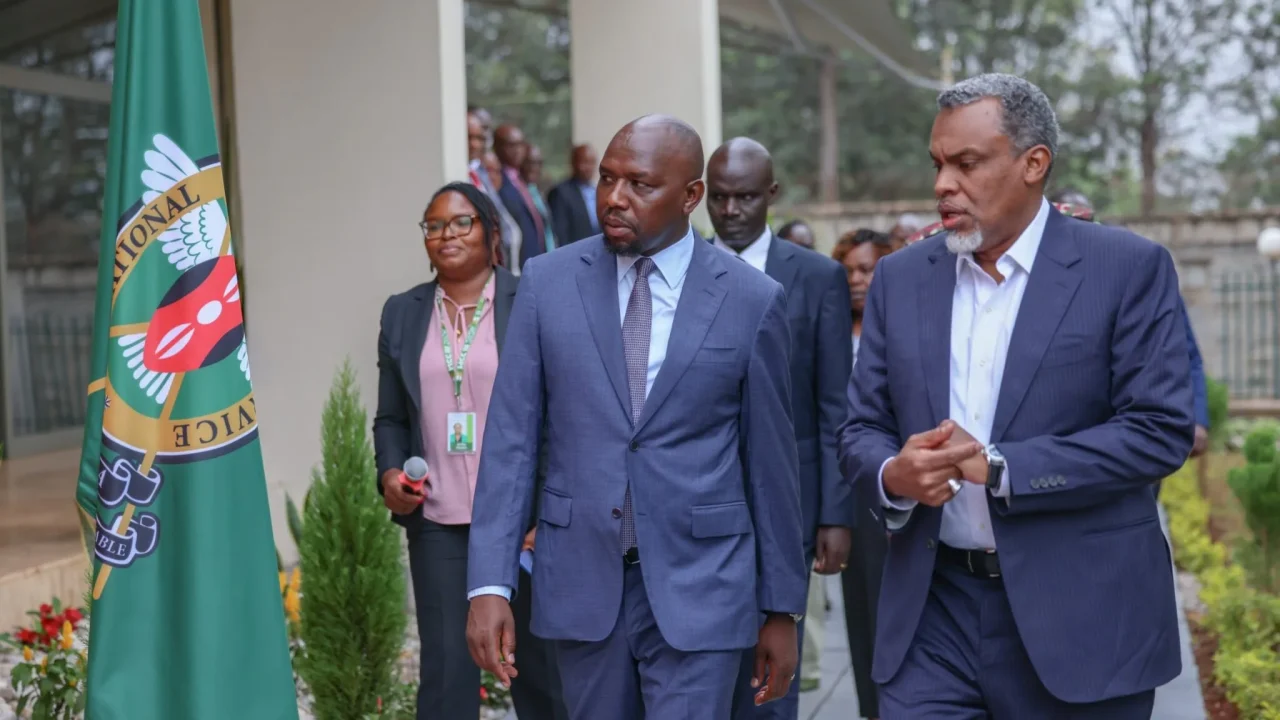
The upgraded Joint Counterterrorism Analysis Centre supports intelligence coordination in Nairobi.
The Nairobi facility brings security agencies together to analyse threats and coordinate action before terrorist attacks occur.
Kenya has opened an upgraded counterterrorism centre in Nairobi to strengthen intelligence sharing and coordination among security agencies. The Joint Counterterrorism Analysis Centre (JCTAC) operates at the Fusion Centre.
A senior government official presided over Thursday’s opening, saying the revamped facility would improve information sharing among national security institutions. National Intelligence Service Director-General Noordin Haji and Administration Police Deputy Inspector-General Gilbert Masengeli also attended the event.
Upgraded counterterrorism centre to support early intervention
The facility brings together intelligence and security capabilities to analyse information and identify potential threats. It also supports timely intervention before suspected terrorist activity develops into an attack.

Established in 2015, JCTAC provides a platform for analysing actionable intelligence and helping authorities disrupt terrorist networks. The upgrade aims to improve how security institutions process intelligence and coordinate their responses.
Meanwhile, the government credits enhanced intelligence gathering, inter-agency cooperation and modern security technology with a significant decline in terror incidents. It says stronger regional and international partnerships have also helped authorities identify and dismantle networks before they strike.
However, security officials warn that terrorism remains a concern despite those gains. They say agencies need continued investment in intelligence capabilities and new approaches to emerging security challenges.
Joint operations and community cooperation
Kenya’s counterterrorism strategy increasingly brings together intelligence agencies, police, the military and other government institutions. Rather than operating separately, these bodies focus on coordinated interventions guided by intelligence.
The broader framework seeks to prevent, detect, deter and disrupt terrorist activity through shared intelligence and joint operations. Cooperation with international partners also forms part of that approach.
Under the Prevention of Terrorism Act, the National Counter Terrorism Centre coordinates national efforts against terrorism. Its mandate includes intelligence analysis, capacity building and strategies against radicalisation and violent extremism.
The government also emphasises community cooperation to address factors that leave people vulnerable to extremist recruitment. These efforts accompany security measures against groups such as al-Shabaab, which has attacked Kenya and the wider East African region.
However, authorities acknowledge that terrorist organisations continue to change their tactics. They therefore stress the need for sustained preparedness and vigilance alongside stronger intelligence coordination.