Women aspirants in Kisumu are calling for safer and fairer participation in the 2027 elections.
Women seeking office urge political parties and electoral agencies to tackle intimidation, unfair nominations and sexual exploitation before the 2027 polls.
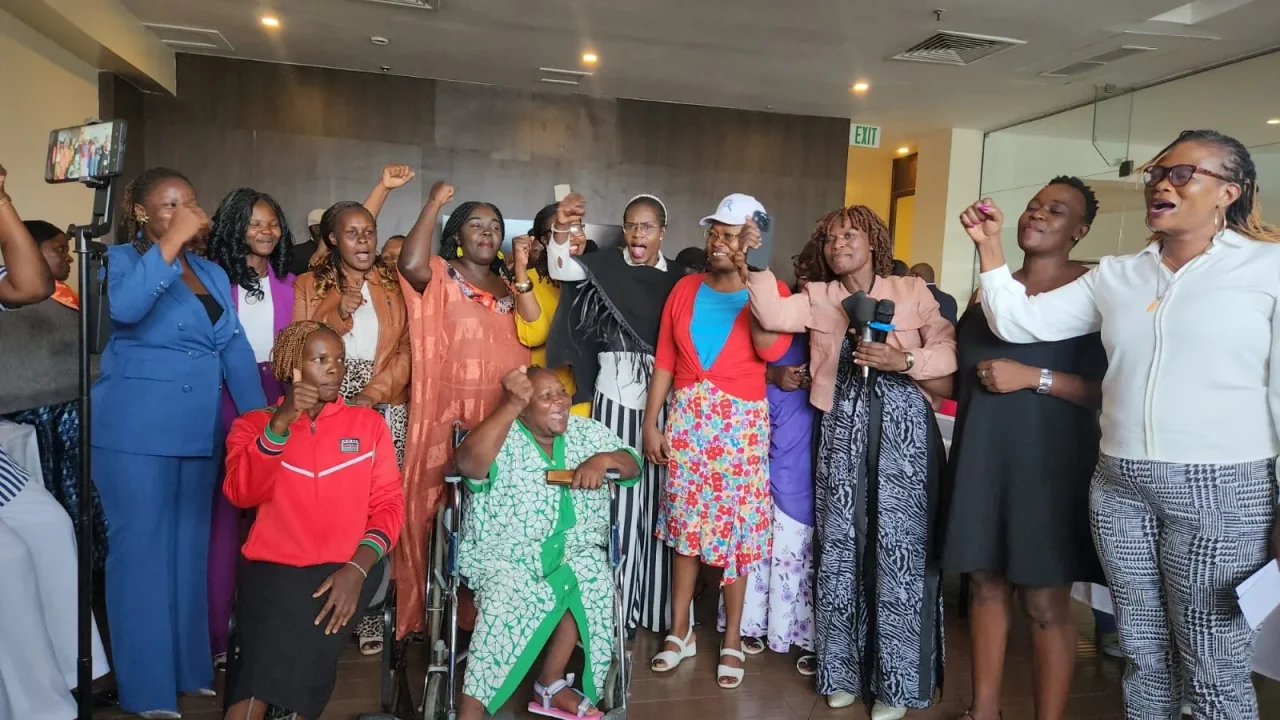
Kisumu women aspirants have raised concerns over political violence, voter bribery and sexual harassment ahead of the 2027 General Election. They want political parties and electoral institutions to act against intimidation and discriminatory nomination practices.
The concerns emerged at a meeting organised by the Federation of Women Lawyers in Kenya (FIDA-Kenya). Participants discussed political party accountability and reforms to strengthen gender inclusion.
Representatives from the electoral commission, political parties registrar, cohesion commission and gender equality commission also attended. Linda Ogweno, an aspirant for Kisumu Woman Representative, read the women’s joint statement.

Kisumu women aspirants cite threats and online abuse
The aspirants said political intolerance has created unsafe conditions for female candidates and their supporters. They accused groups known locally as Mbogis, Chude Chude, Sangwenya and Security Boys of intimidation and disrupting political activities.
They also said women who express views opposing their rivals often face violence, limiting their campaign activities. In their statement, the aspirants described violence and political handouts as recurring problems during election cycles.
Meanwhile, they raised concerns about online harassment, exposure of personal information and non-consensual sharing of private images. They said coordinated social media attacks seek to silence female politicians and discourage women from pursuing leadership.
The women therefore urged early action against organised political gangs and those financing them. They warned that continued intimidation could undermine participation in the 2027 elections.
Calls for fair nominations and party accountability
The aspirants also accused political parties of pressuring women to withdraw in favour of male candidates. They said parties sometimes offer promises of government appointments after elections in exchange for withdrawal.
They further alleged that money, nepotism, tribalism and personal connections influence nominations more than leadership ability. Some parties, they said, give women tickets in areas where those parties have limited electoral support.
Sexual exploitation within party structures was another concern. The aspirants alleged that some influential individuals demand sexual favours for tickets or nomination opportunities. They called for stronger accountability measures to address such harassment.
To improve inclusion, they urged parties to review internal rules and educate aspirants about nominations, dispute resolution and gender policies. They also demanded fair representation for women, youth and persons with disabilities in party leadership and nomination lists.
The women called on electoral bodies, the Political Parties Disputes Tribunal and security agencies to tackle violence, hate speech and intimidation. They also urged parties to take responsibility for their supporters’ conduct.
Despite these concerns, they encouraged more women to contest through parties or as independent candidates. They urged female aspirants to organise, support each other and resist pressure to abandon political contests.