KRA says tackling tax evasion helps protect businesses that meet their tax obligations.
Commissioner General Adan Mohamed says KRA will protect compliant businesses while tightening import documentation and expanding taxpayer support.
The Kenya Revenue Authority has issued a KRA tax warning against smuggling, counterfeit tax stamps and fictitious invoices. Commissioner General Adan Mohamed said these practices give tax evaders an unfair advantage over businesses that meet their obligations.
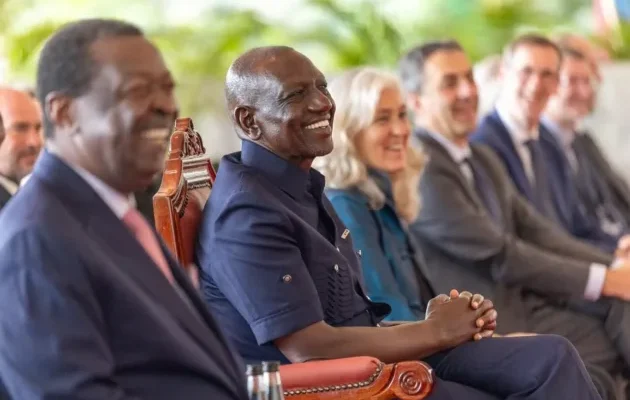
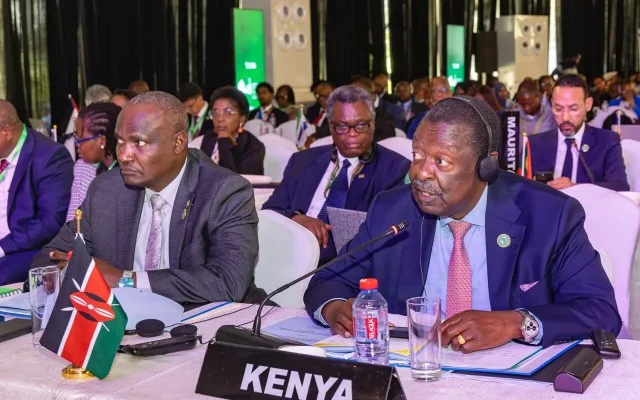
Speaking at ICPAK’s 43rd Annual Seminar on Friday, Mohamed said protecting compliant firms remained a priority for the authority. He also outlined efforts to strengthen accountability and make tax services easier for businesses and individuals to access.
KRA tax warning highlights unfair competition
Mohamed said tax evasion threatens the survival of businesses that pay their dues, not just government revenue. He argued that dishonest competitors should not undercut manufacturers who pay VAT, corporate tax and customs charges.

In his remarks to the Institute of Certified Public Accountants of Kenya, Mohamed linked revenue integrity to fair competition. Smuggling, fake stamps and fictitious invoices, he said, allow some firms to compete unfairly with compliant businesses.
However, Mohamed also said many compliance failures stem from unclear requirements, service design problems or difficulties accessing assistance. He said KRA was bringing support closer to taxpayers through USSD, the Shuru WhatsApp bot and Ushuru Mashinani.
Importers must retain export documents
Meanwhile, KRA has introduced stricter record-keeping requirements for importers under Section 43 of the Finance Act 2026. Importers must retain official export declarations or equivalent documents from competent authorities in the exporting country.
These records must support the information importers provide during the importation process. Mohamed said the requirement followed a comparison of Chinese export figures with entries in Kenya’s Customs records.
To compare the figures, KRA contacted China’s State Taxation Administration. Mohamed said Chinese records showed exports to Kenya worth about US$10 billion, or Ksh1.3 trillion. However, Kenya’s Customs records captured only US$5 billion, equivalent to Ksh649.6 billion.
The gap raised concerns about the accuracy of import declarations. It also pointed to possible undervaluation or goods that Kenya’s import records had not fully captured.