

High Court Nullifies Aisha Jumwa’s KRB Appointment
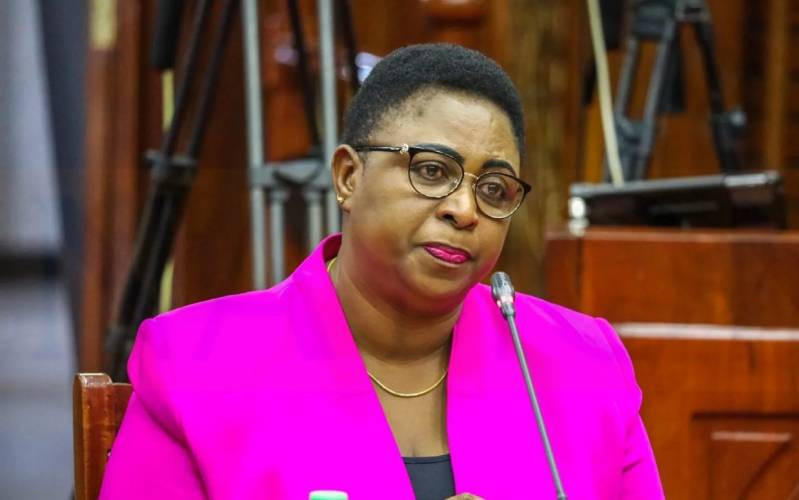
The High Court of Kenya has nullified the appointment of Aisha Jumwa as Chairperson of the Kenya Roads Board. The ruling delivered a major legal setback to the government.
Additionally, the court declared the appointment unconstitutional and illegal officially. Justice Bahati Mwamuye delivered the judgment during the latest proceedings.
The court also termed the appointment process null and void completely. Therefore, Jumwa can no longer hold the position legally.
The decision followed a petition challenging her appointment publicly. Critics had questioned both the process and qualifications involved.
Court Finds Violations of the Kenya Roads Board Act
Justice Bahati Mwamuye ruled the appointment violated statutory requirements directly. The judgment cited Section 7 of the Kenya Roads Board Act specifically.
Additionally, the law requires nominations from designated professional organizations officially. The court found no evidence showing compliance with that requirement.
Judges ruled the process failed to follow legal appointment procedures properly. Therefore, the court invalidated the appointment immediately.
The ruling emphasized adherence to established legal frameworks strongly. Public appointments must follow transparent and lawful procedures consistently.
Additionally, the court stressed accountability within state institutions nationally. Officials must respect constitutional and statutory guidelines strictly.
Legal experts described the ruling as a significant governance decision. The judgment reinforced judicial oversight over public appointments clearly.
Constitutional Principles Played Major Role in the Judgment
The court also identified constitutional violations within the appointment process officially. Judges cited Articles 10, 47, and 232 of the Constitution.
Additionally, the ruling highlighted concerns over transparency and accountability. The court also emphasized fair administrative action requirements strongly.
Justice Mwamuye stated public offices demand merit-based appointment procedures consistently. Therefore, leaders must prioritize professionalism during state appointments.
The ruling strengthened calls for integrity within public service institutions. Governance experts welcomed the court’s emphasis on constitutional compliance.
Additionally, legal analysts described the judgment as a victory for accountability. The decision may influence future government appointments nationally.
READ ALSO: High Court Stops Sifuna’s Removal as ODM Secretary General
Engineers Opposed Jumwa’s Appointment Strongly
The appointment faced immediate resistance after its announcement publicly. William Ruto had appointed Jumwa through a gazette notice.
Additionally, activist Francis Owino filed a legal petition challenging the decision. The case later attracted widespread public attention nationally.
The Institution of Engineers of Kenya strongly opposed the appointment officially. The organization questioned Jumwa’s technical qualifications directly.
Engineers argued the board requires specialized infrastructure expertise significantly. Therefore, critics insisted the appointment ignored professional standards.
The institution also argued Jumwa lacked representation from approved nominating bodies. The objections intensified debate around public sector appointments nationally.
Ruling Raises Questions Over Future State Appointments
The judgment reignited discussions about merit and transparency in governance. Kenyans increasingly demand accountability in public appointments nationwide.
Additionally, courts continue scrutinizing government decisions more closely recently. Legal challenges against controversial appointments have also increased steadily.
Governance experts urged leaders to prioritize competence and legality consistently. Therefore, institutions may face greater pressure moving forward.
The ruling also strengthened confidence in judicial independence nationally. Many citizens praised the court for defending constitutional principles publicly.
Ultimately, the decision marks a major moment in Kenya’s governance landscape. Public officials now face stricter scrutiny during state appointments.