
Is Super Metro a Cult? Viral Video of Nairobi Commuters Queuing in Heavy Rain Sparks Debate
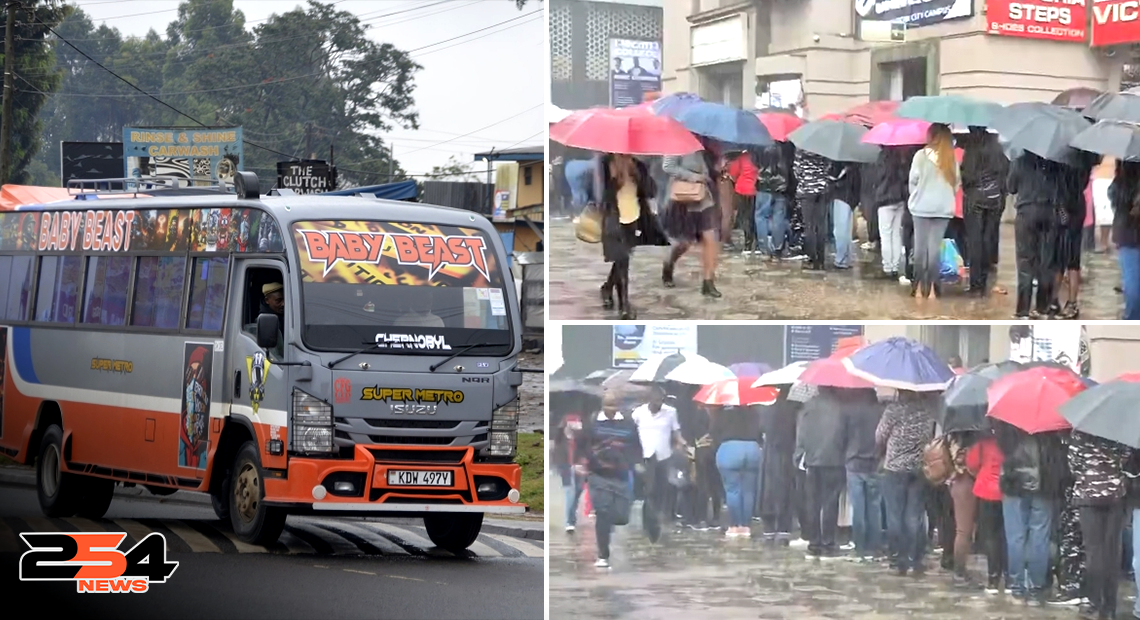
A viral video showing dozens of commuters standing in heavy rain while queuing for a Super Metro bus in Nairobi has ignited an online debate over the matatu operator’s extraordinary popularity, with some Kenyans jokingly asking whether the transport service has become a “cult.”
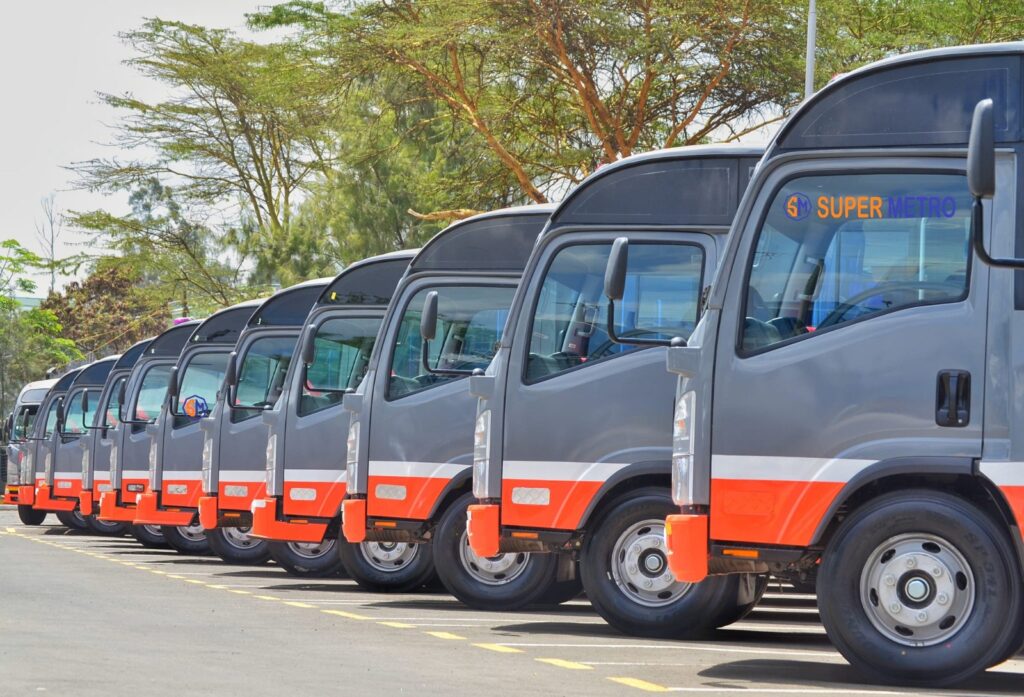
The footage, widely circulated on social media on Thursday, March 5, 2026, shows passengers patiently waiting in an organised line despite a steady downpour. The commuters appear unwilling to board other available public service vehicles, choosing instead to wait for the distinctive orange buses operated by Super Metro.
The video quickly triggered a mix of admiration, humor and criticism online, with many praising the operator’s discipline while others questioned whether the brand loyalty among passengers has become excessive.
Rain Fails to Break the Queue
The incident occurred during a period of heavy rainfall in Nairobi and surrounding counties.
The Kenya Meteorological Department had earlier issued Heavy Rainfall Advisory No. 02/2026, warning that precipitation would intensify between March 5 and March 7, with some areas expected to receive up to 50 millimetres of rain within 24 hours.
The persistent showers have caused poor visibility on major roads, slowed traffic and disrupted public transport across the city. Yet the rain did little to discourage the commuters captured in the viral clip.
Instead of scattering for shelter or boarding alternative matatus, passengers remained in line waiting for the next Super Metro vehicle.
A Reputation Built on Order
Super Metro has built a reputation in Nairobi’s chaotic public transport sector for enforcing strict discipline among drivers and conductors.
The operator is widely known for:
- Organized queuing at bus stops
- Reduced touting and passenger harassment
- Regulated fares and structured routes
- Enforcement of passenger conduct rules
For many commuters, the company represents a rare sense of order within the often unpredictable matatu industry.
Some Nairobi residents say the reliability and perceived safety of the buses justify the long waits.
“People prefer to queue because they know what to expect once they board,” one commuter wrote on social media. “No loud music, no reckless driving, no chaos.”
Critics Question the Loyalty
However, the viral video has also fueled criticism, with some Kenyans arguing that the level of devotion among passengers appears unusual.
Several social media users jokingly described Super Metro supporters as “followers,” suggesting the brand has cultivated a loyal community similar to a movement rather than a transport service.
Others questioned why commuters would endure heavy rain instead of taking other available vehicles.
Transport analysts say the behavior reflects deeper frustrations within Nairobi’s public transport system.
“When a service consistently offers reliability in a chaotic environment, passengers become extremely loyal,” said one urban mobility commentator. “It’s not a cult, it’s a response to a system that rarely works well.”
Safety Questions Still Linger
The viral moment comes just weeks after the operator faced scrutiny following a February 24, 2026 incident in which a passenger was fatally injured along the Kitengela–Namanga highway.
The accident prompted renewed conversations about safety standards across Nairobi’s public service vehicle sector, even as Super Metro maintained its reputation as one of the more structured operators.
Authorities have continued to emphasize the importance of safety compliance across all matatu services.
A Reflection of Nairobi’s Transport Reality
Whether seen as dedication or desperation, the viral queue highlights the challenges Nairobi commuters face daily.
With unpredictable matatus, fluctuating fares and inconsistent service quality, many passengers appear willing to endure inconvenience, even heavy rain, for a transport option they trust.
For now, the image of rain-soaked commuters patiently waiting for a Super Metro bus continues to circulate online, fueling both admiration and debate over the company’s unique place in Nairobi’s transport culture.
One thing remains clear: in a city where public transport can often feel chaotic, order has become a powerful brand.