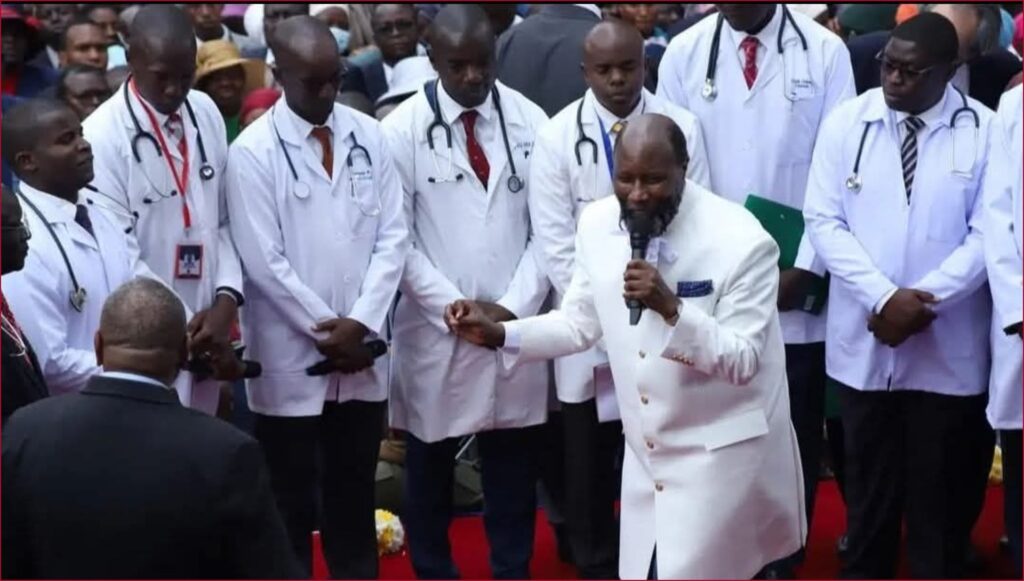

Inside Kenya’s Business of Faith: TV47 Report Raises New Concerns
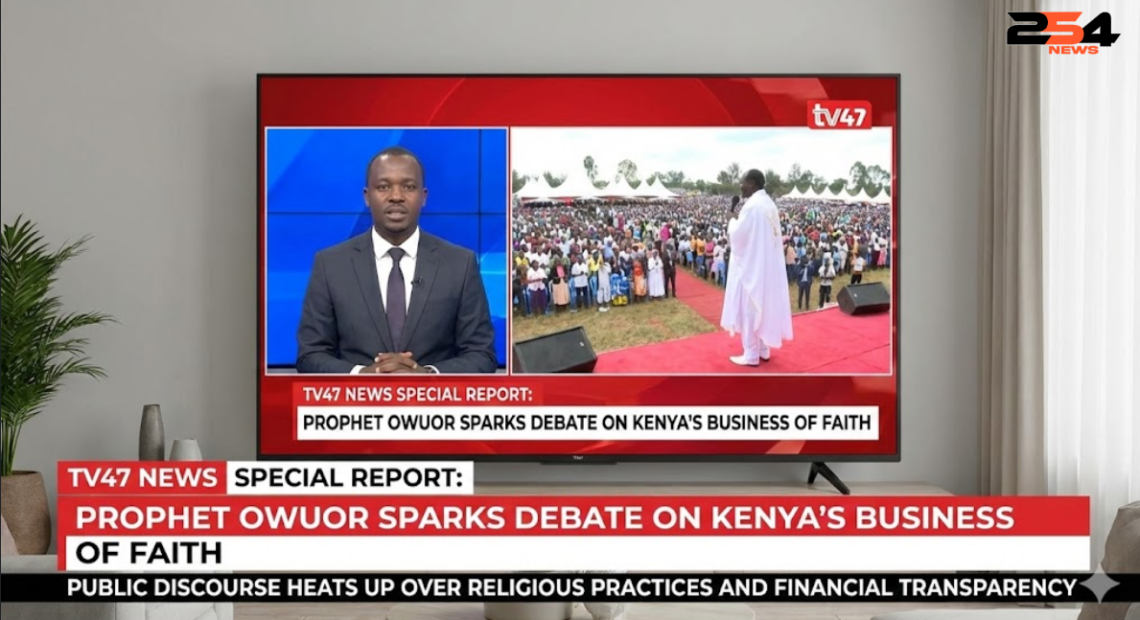
A recent TV47 report focusing on Prophet David Owuor has reignited a sensitive but urgent national conversation: where does spiritual leadership end, and where does systemic exploitation begin?
Across Kenya, and increasingly around the world, the pulpit has evolved into a modern powerhouse of social, political, and financial influence. For millions, faith remains a genuine source of hope, healing, and community. However, critics argue some ministries now operate like high-control systems, using fear, money, and emotional dependence to build untouchable empires.
At its core, the debate is no longer about religion itself. Instead, it is about power, and what happens when that power goes unchecked.
1) The Weaponization of Health: The “Healing” Claim
Perhaps the most dangerous form of religious deception involves the promise of medical miracles.
In many controversial ministries, leaders pressure followers, directly or indirectly, to abandon medication in favor of “divine healing.” That can include life-saving treatment such as ARVs, insulin, or blood pressure drugs.
In practice, the pattern often looks the same: testimonies get celebrated publicly, but scientific verification rarely follows. Meanwhile, when recovery does not happen, leaders shift the blame to the believer for having “weak faith,” rather than questioning the claim itself.
As a result, health experts warn this dynamic can turn desperation into tragedy.
2) The Isolation Strategy: Turning Criticism into “Persecution”
Deceptive movements often thrive by building echo chambers.
Rather than encouraging dialogue, some leaders teach followers that criticism from family, friends, or reputable media outlets is not concern, it is “persecution,” “witchcraft,” or “the work of the enemy.”
Over time, that framing does more than silence outsiders. It also makes followers fear anyone who questions the ministry.
Consequently, the leader becomes the only acceptable source of truth, and the follower loses the ability to verify information or seek a second opinion.
3) Financial Coercion: When “Seed Sowing” Becomes Pressure
The prosperity gospel has evolved into something more aggressive: transactional faith.
Under this model, leaders market blessings as something believers can unlock—if they give enough. “Sow a seed” stops being a spiritual practice and becomes a financial demand, often delivered through emotional pressure and public expectation.
In many cases, critics say this creates a dangerous power gap. While congregants struggle with rent, school fees, and hospital bills, some leaders display wealth that remains unaudited, unexplained, and protected by religious language.
4) The Cult of Personality: When the Leader Becomes the Message
In high-control religious spaces, the focus often shifts from God to a single figure.
The leader is treated as beyond question, an authority whose decisions cannot be challenged. Elaborate entrances, heavy security, staged rituals, and constant praise help build an image of infallibility.
Ultimately, the system produces loyalty not to faith itself, but to a person.
Why People Fall for It — And Why Mockery Misses the Point
From the outside, it can look easy to judge. Yet most people do not join these movements because they are foolish.
Instead, many join because they are vulnerable.
Chronic illness, financial desperation, grief, loneliness, unemployment, and emotional trauma can create a hunger for certainty. In that moment, deceptive leaders often offer exactly what people crave: clear answers in a chaotic world.
They promise healing. They promise protection. They promise belonging.
The Bottom Line: Faith vs Control
The most important distinction is simple:
Healthy faith typically encourages transparency, community, accountability, and truth.
Deception relies on secrecy, fear, financial pressure, and the suppression of questions.
For that reason, the TV47 report has opened a door many Kenyans fear walking through. Even so, the national conversation may be necessary, because when religion becomes a business, and the believer becomes a product, the consequences can be devastating.