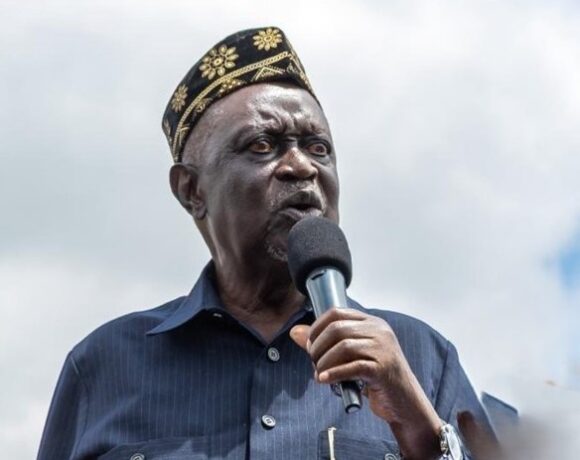

Nelson Havi Explains Departure from UDA, Joins DCP

Havi Cites Principle and Ideology
Former LSK President Nelson Havi explained why he left the United Democratic Alliance (UDA). He said principle and ideology guided his decision. Furthermore, he rejected what he called moral and democratic decay within the party.
Havi highlighted the April 2024 UDA grassroots elections as a turning point. Although registered at Hospital Hill Primary School, his name was missing from the voter register. Consequently, he could not vote, and an outsider assumed the chairperson role.
“From that moment, it became clear that this was not a democratic party,” Havi stated. Moreover, he said the exclusion reflected ongoing internal democracy erosion, not a single incident.
Pressure to Leave UDA
Havi revealed that party leaders advised him to exit UDA. They claimed his association conflicted with his public reputation. Additionally, negative perceptions about the party made public engagement difficult.
“I walk in the streets, I drive alone, and I have not stolen anyone’s money,” he said. Citizens encouraged him to leave, he added.
Havi formally resigned from UDA in October 2025. For several months without affiliation, he evaluated political options carefully. While multiple actors approached him, he avoided parties built on personality cults.
Choice of Democracy for the Citizens Party
Eventually, Havi joined Rigathi Gachagua’s Democracy for the Citizens Party (DCP). He said Gachagua represents original Kenya Kwanza leaders who promoted accountability but were sidelined.
Havi dismissed claims that loyalty to Gachagua motivated his move. Instead, he emphasized DCP’s focus on governance, equity, and constitutionalism. “These leaders build institutions, not protest parties,” he said.
Finally, Havi contrasted DCP’s recruitment of “stallions and mares” with UDA’s reliance on weakened figures. He warned that such diminished figures could not challenge authority, undermining party credibility.