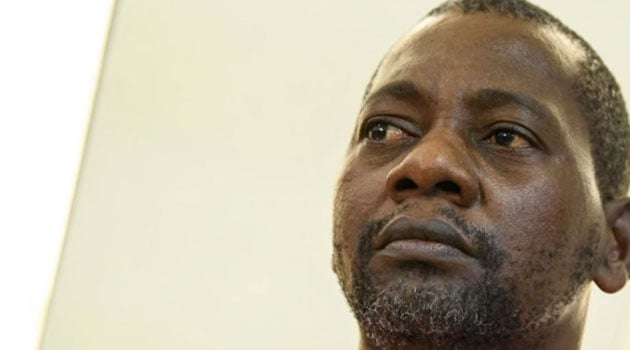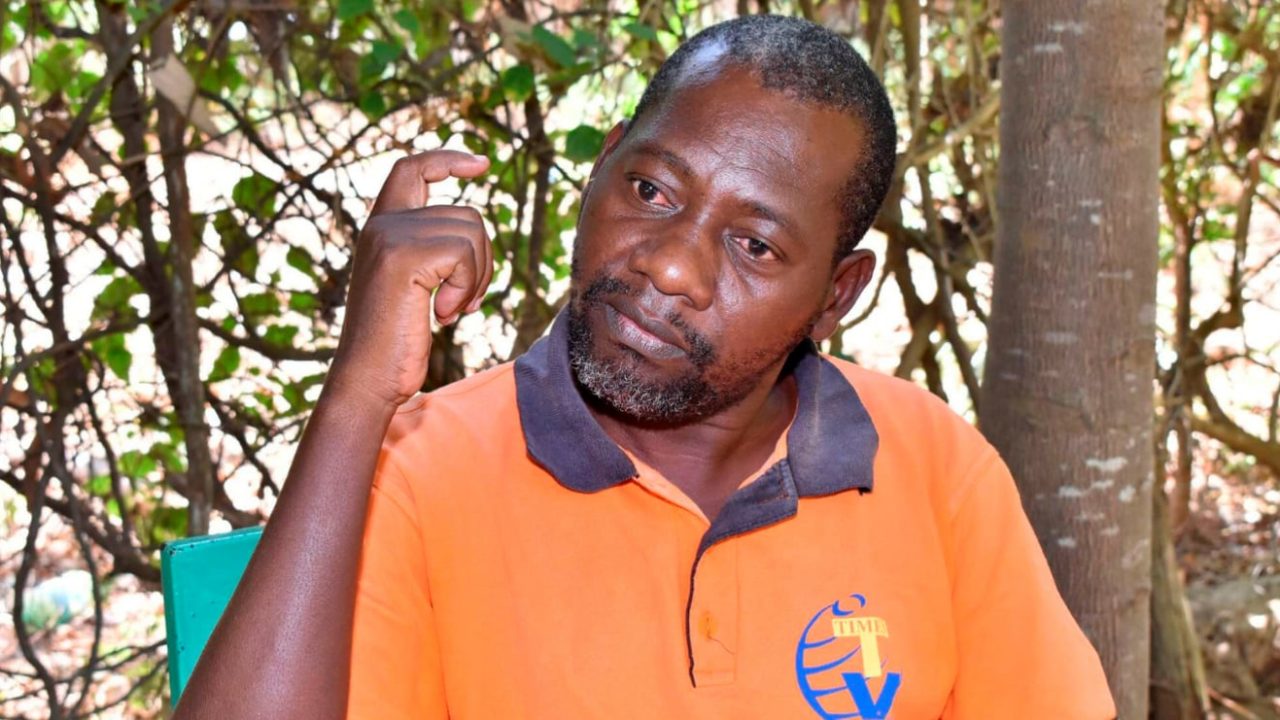
Paul Mackenzie and his co-accused arrived at the Mombasa High Court ahead of judgment.
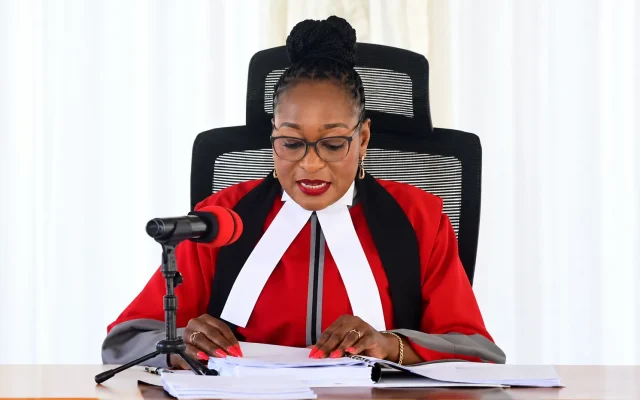
Justice Diana Kavedza is due to deliver judgment as Paul Mackenzie, his wife and 29 others face 191 murder counts involving children.
Paul Nthenge Mackenzie and 30 co-accused arrived at the Mombasa High Court on Monday for judgment in the Shakahola murder case. Justice Diana Kavedza is scheduled to deliver her decision at 9.30am.
The preacher, his wife and 29 others face 191 counts of murder involving children. Prosecutors allege that the accused followed a shared plan that caused deaths among children associated with Mackenzie’s Good News International Church.
Shakahola murder case reaches judgment stage
In April, Justice Kavedza found that the prosecution had presented sufficient evidence to require a defence. She therefore ruled that Mackenzie and his co-accused had a case to answer and directed them to respond.

The trial heard evidence from survivors, victims’ relatives, investigators and forensic experts. Prosecutors also relied on the legal principle of common intention, arguing that the accused worked towards a shared objective.
The court subsequently heard the defence before reserving judgment. The pending decision concerns criminal responsibility for the alleged murders of the 191 children.
Mass graves prompted extensive investigations
The case follows the discovery of mass graves in Shakahola, Kilifi County, in April 2023. Authorities then carried out extensive searches, exhumations and forensic investigations.
Mackenzie faces accusations of leading a religious movement that encouraged followers to fast to death. Those allegations centre on the belief that followers would meet Jesus through such fasting.
Meanwhile, the Kenya National Commission on Human Rights documented 448 deaths in its Mashaka ya Shakahola report. The commission released the report in March 2024 and also recorded more than 600 people as missing.
At that point, fewer than 10 per cent of the bodies had undergone identification and return to families for burial. The commission linked the deaths to starvation, dehydration, strangulation and head injuries, citing autopsy findings and survivor and witness accounts.
Rights commission called for accountability
Beyond the criminal proceedings, the tragedy raised concerns about oversight of religious organisations and responses to warnings about harmful practices. The KNCHR criticised state agencies for failing to act on earlier warnings about Mackenzie’s activities.
It also called for accountability for officials whose actions or failures to act may have contributed to the tragedy. In addition, the commission urged better rehabilitation and support for survivors and affected families.
The judgment represents a key stage in efforts to establish criminal responsibility for the children’s deaths. However, the court had yet to deliver its decision when the accused arrived.