

How Kenya’s KSh 1.14 Trillion Deficit Hits Citizens Now
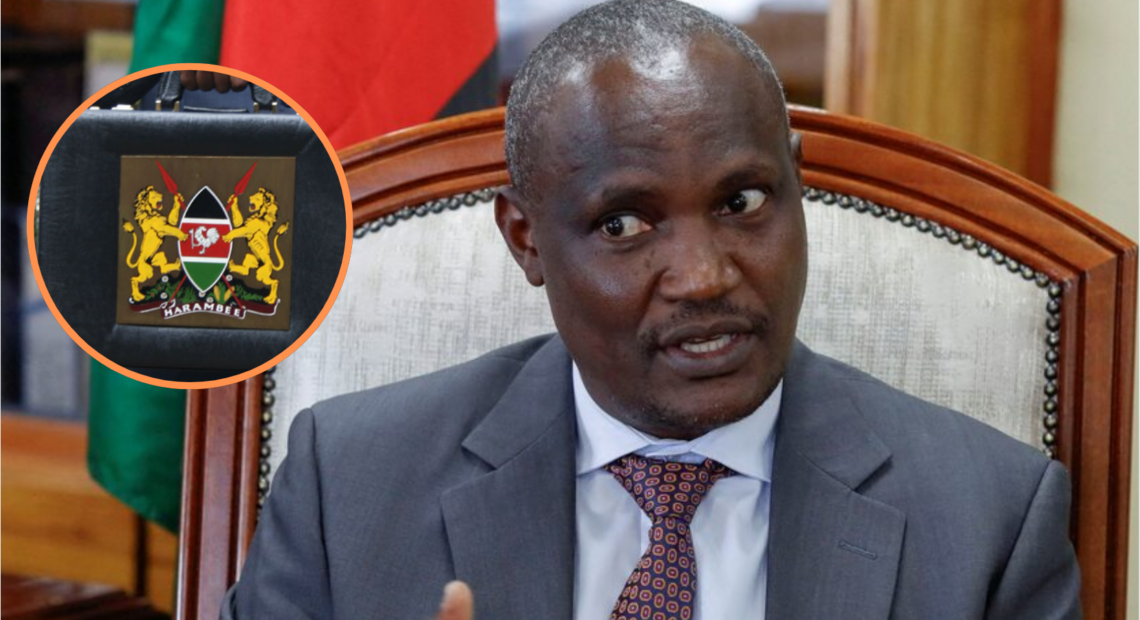
Kenya’s growing KSh 1.14 trillion fiscal deficit is already hitting citizens. Consequently, rising fuel, electricity, and commodity costs are squeezing family budgets. Moreover, overstretched government resources delay public services, affecting daily life.
The deficit mainly stems from revenue underperformance. By December 2025, KRA had missed ordinary revenue targets by KSh 115.3 billion. Therefore, key government programs face funding shortages.
Additionally, the Finance Act 2025 avoided new taxes after public protests. Instead, the government relied on administrative reforms. However, these measures have not yet generated enough revenue.
Furthermore, widening compliance gaps and inefficiencies continue reducing income from VAT, income tax, and other sources.
Debt Servicing Consumes Most Funds
Debt repayment now dominates government expenditure. Interest payments alone will reach KSh 1.25 trillion this fiscal year.
Approximately 70–89% of the Consolidated Fund is allocated to debt service. Consequently, little money remains for development projects.
Moreover, 62% of external debt is US dollar-denominated. Therefore, Kenya is vulnerable to currency fluctuations, worsening fiscal strain.
Rising Operational and Social Costs
Government spending has exceeded initial projections. Inflation and exchange rate volatility have increased operational costs.
Additionally, social obligations—including Universal Healthcare, education funding, and public worker CBAs—have expanded the expenditure base. Supplementary Estimates I raised total spending to KSh 4.53 trillion, an increase of KSh 262.9 billion.
READ ALSO: Budget Watchdog Flags Nairobi’s Ballooning Wage Bill
The KSh 1.3 Trillion eCitizen “Loss”: Fact vs Fiction
Moi University. 800 Staff Lose Jobs Amid Budget Crisis
External Shocks Intensify Pressure
Climate events and global financial conditions have added further strain. Droughts and floods forced emergency relief spending.
Simultaneously, high global interest rates increased borrowing costs. Consequently, the Treasury must rely on expensive domestic loans of KSh 885.9 billion.
Fiscal Numbers at a Glance
Metric Original Target Revised Estimate (March 2026);
- Fiscal Deficit KSh 923.2 Billion KSh 1.141 Trillion
- Deficit % of GDP 4.8% 6.0%
- Total Expenditure KSh 4.27 Trillion KSh 4.53 Trillion
- Ordinary Revenue KSh 2.80 Trillion KSh 2.74 Trillion
Ultimately, Kenya’s KSh 1.14 trillion deficit pressures both households and government operations. Without stronger revenue collection and fiscal discipline, citizens may face prolonged inflation, service delays, and rising debt burdens.