
Deborah Barasa Confirms 3 Acres Cleared for Karura Forest Tree Nursery
The Kenyan government has clarified ongoing land clearing inside Karura Forest. Officials say the project supports a major national tree-planting initiative.
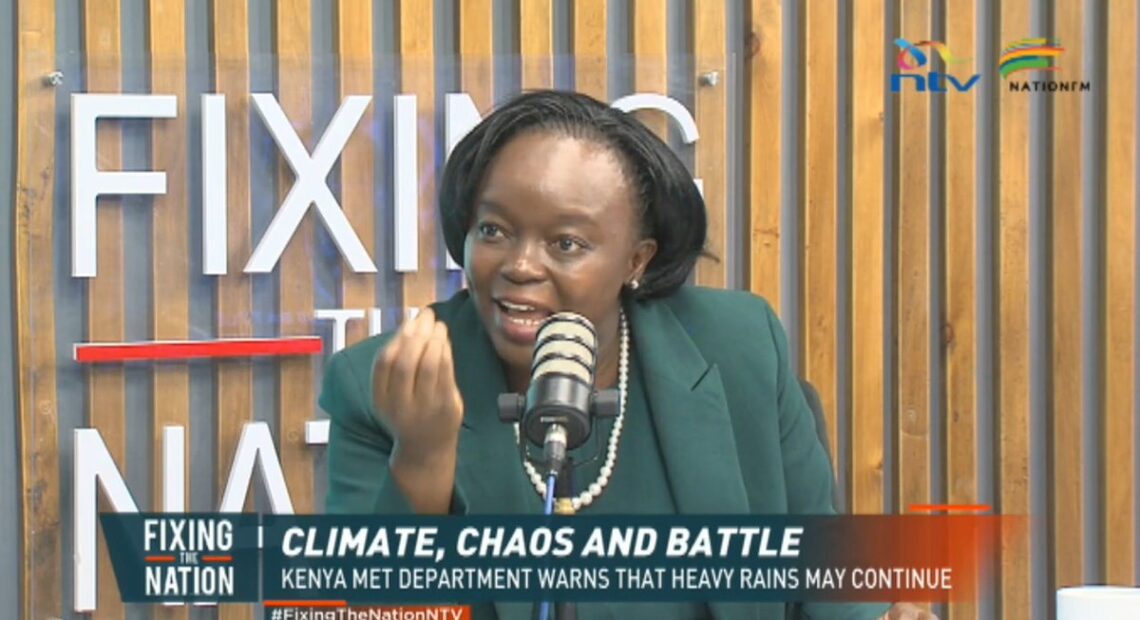
On March 9, 2026, Deborah Barasa addressed public concerns about the clearing. She serves as the Cabinet Secretary for Environment, Climate Change, and Forestry.
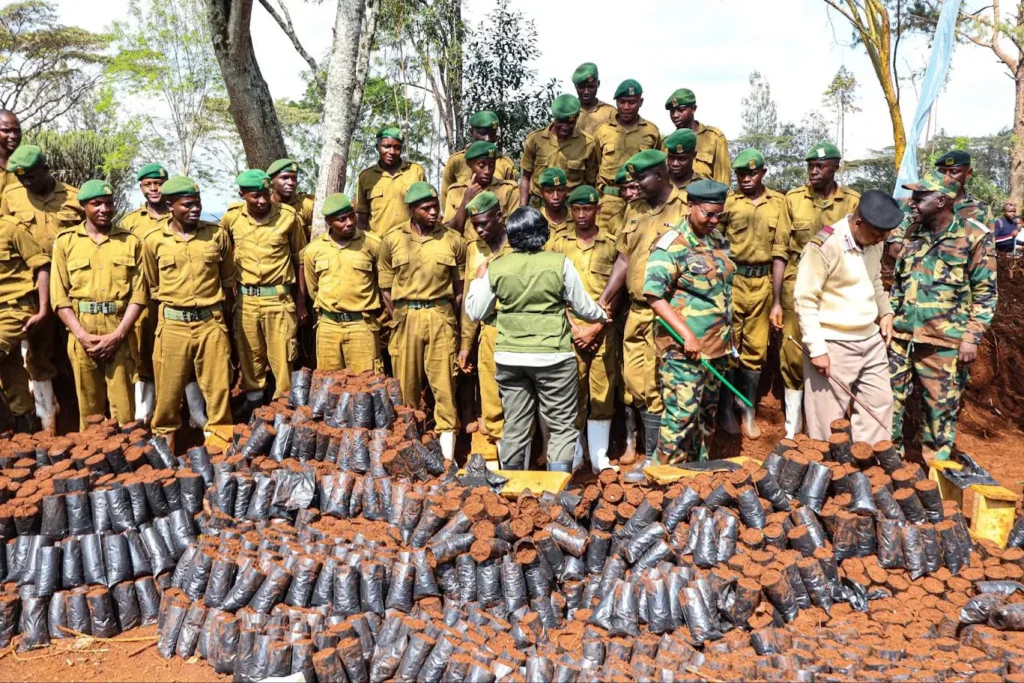
According to the CS, authorities cleared approximately three acres of land. However, the area will host a large-scale tree nursery and support facilities.
Furthermore, the government plans temporary housing for National Youth Service personnel. These officers will assist in seedling production and environmental restoration.
Meanwhile, the government dismissed claims circulating on social media. Some posts alleged that developers planned private housing projects inside the forest.
However, the CS insisted the project strictly supports conservation and reforestation.
Government Targets Massive Tree Planting
The nursery will play a key role in Kenya’s national reforestation program.
Specifically, the facility will produce between two million and ten million seedlings. These seedlings will support the country’s long-term environmental targets.
Kenya aims to plant 15 billion trees by 2032. Consequently, authorities want to increase forest cover to 30 percent. The government considers the Karura nursery an important step toward achieving that goal.
NYS Officers to Support Tree Nursery
The project will also involve young officers from the National Youth Service. Authorities plan temporary accommodation within the administrative section of the forest.
This housing will support officers managing nursery operations. Additionally, NYS personnel will assist in seedling care and distribution.
Their participation will help scale up production for national reforestation campaigns. Therefore, the program combines youth empowerment with environmental conservation.
READ ALSO: Truphena Muthoni Makes History With 72-Hour Tree Hug
– Meru Guide Missing on Mount Kenya, Family in Agony
Restoring Indigenous Forest Ecosystems
Beyond seedling production, the project also supports ecological restoration. Over the years, parts of Karura Forest were planted with exotic tree species. For example, species such as Cypress and Eucalyptus became common in some areas.
However, environmental experts say these species disrupt natural ecosystems. Therefore, authorities plan to gradually replace them with indigenous trees. Native species better support wildlife and improve biodiversity.
KFS Assures Public of Forest Protection
The Kenya Forest Service has also addressed the public concerns. Officials confirmed that the clearing occurs within an existing administrative zone.
Importantly, the project does not change the forest’s land use status. Furthermore, authorities insist the activity will not lead to forest conversion.
Instead, the project aims to strengthen conservation efforts. Ultimately, the nursery will support Kenya’s ambitious tree-planting agenda while restoring Karura’s natural ecosystem.