

Kenya Moves to Tighten Fight Against Online Piracy With New Copyright Bill

Kenya could soon introduce tougher rules against illegal streaming and digital piracy under the proposed Copyright and Related Rights Bill, 2026.
The bill was developed by the Kenya Copyright Board (KECOBO). It aims to protect creatives and media companies from huge losses caused by online piracy.
According to KECOBO, Kenya’s creative sector loses about KSh 92 billion every year due to illegal distribution of films, TV shows, and live sports broadcasts. The new law seeks to create a stronger system to protect copyright holders and regulate online platforms.
Key Enforcement Measures
One major proposal introduces a 48-hour takedown rule.
Under the bill, Internet Service Providers (ISPs) must remove or disable access to pirated content within 48 business hours after receiving a valid infringement notice.
ISPs must also notify the user responsible for uploading the content within 24 hours. This step allows the user to respond or challenge the notice if necessary.
The bill also proposes a Copyright Disputes Tribunal. The tribunal would have the power to issue emergency site-blocking orders within 72 hours. These fast orders could help stop illegal streams during major live events such as sports matches.
Courts would also gain authority to award statutory damages between KSh 200,000 and KSh 1.5 million per copyrighted work. Judges could issue these awards even when it is difficult to prove the exact financial loss.
Penalties for Non-Compliance
The proposed law also sets strict penalties for platforms and intermediaries that ignore infringement notices.
ISPs that fail to comply could face fines of up to KSh 200,000 for the first violation. Repeat offences could attract fines of up to KSh 500,000 per case.
Individuals who distribute pirated content could face tougher consequences. First-time offenders risk fines of up to five times the market value of the content or jail terms of up to seven years.
Public Feedback and Debate
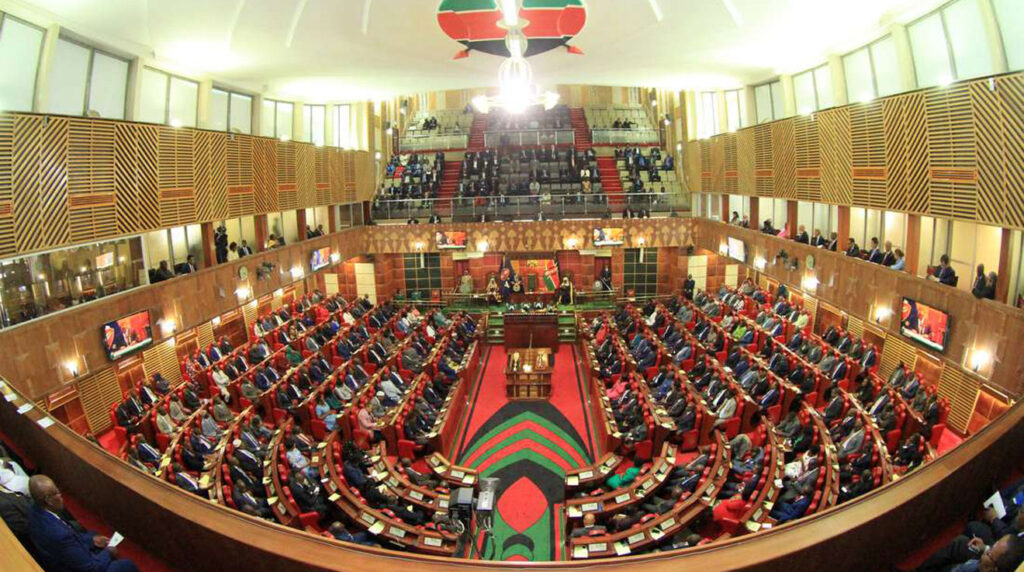
The bill is currently under review in Parliament. KECOBO has invited the public and industry stakeholders to submit feedback before March 31, 2026.
Many creatives support the proposal because it promises stronger protection for intellectual property. However, some critics warn that the law could lead to over-blocking of online content.
Others argue that pirates may still bypass restrictions using virtual private networks (VPNs).
Despite the concerns, the bill marks a major step in Kenya’s effort to protect its growing creative economy and curb digital piracy.