
Kenya’s “Goon Market”:Violence-for-Hire Network
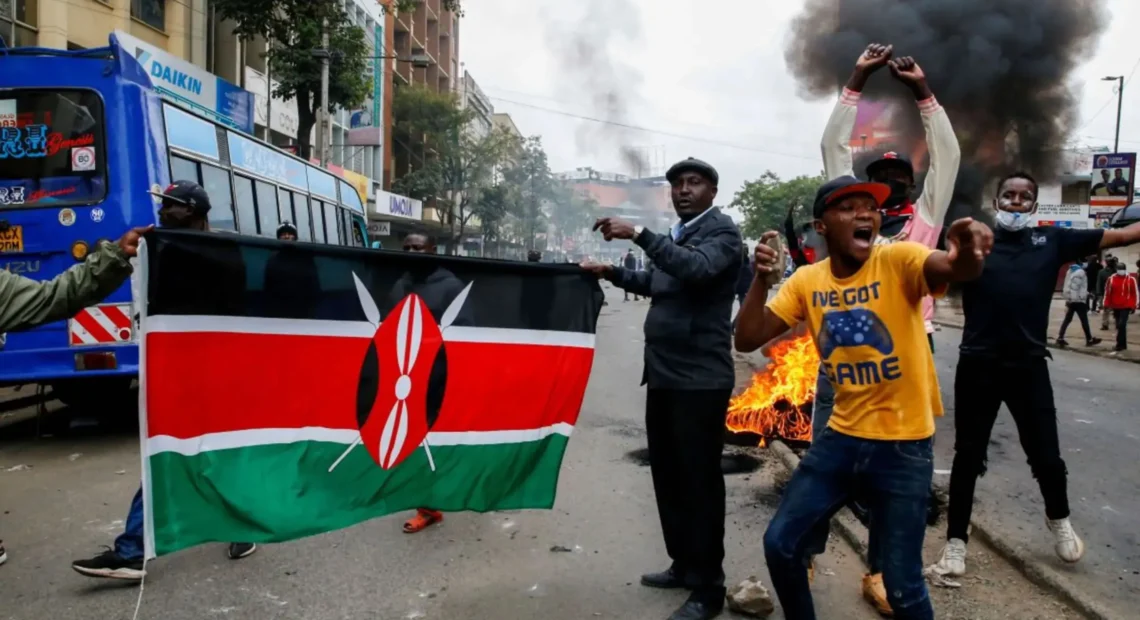
In Kenya, the term “goon market” describes the organized hiring of violent groups. Politicians and powerful actors often deploy these groups for political or economic gain.
Consequently, this system has grown into a structured and commercialized network.
How the Goon Market Operates
Typically, politicians hire groups to disrupt rallies and intimidate opponents. These groups operate like outsourced services within informal networks.
Moreover, they receive payments to create fear or influence public events. As a result, violence becomes a calculated political tool.
Youth Exploitation and Recruitment
High youth unemployment fuels recruitment into these groups. Many young people join due to financial pressure and limited opportunities.
Additionally, recruiters often promise quick money or future benefits. However, most youths remain trapped in cycles of exploitation.
Therefore, the goon market thrives on economic vulnerability.
Disruption of Markets and Local Economies
Politically linked groups frequently interfere with local markets. For example, they may seize control of trading spaces or enforce illegal fees.
In areas like Gikomba Market, such activities have raised concern. These disruptions harm traders and destabilize local economies.
Furthermore, land invasions sometimes involve organized groups linked to political interests.
Threats to Democracy and Public Trust
The use of hired groups undermines democratic processes in Kenya. During elections, they intimidate voters and disrupt political gatherings.
Similarly, protests have witnessed organized violence involving such groups. Consequently, public trust in institutions continues to decline. This trend weakens the rule of law and civic participation.
READ ALSO: Cerelac Boys Alert: Matach Warns Gen Z Against Disrupting ODM NDC
Rising Security Concerns
Security reports indicate the presence of numerous organized gangs in urban areas. These groups often reorganize during election periods for political assignments.
Therefore, their activities pose long-term risks to national stability.
Link to Market Liberalization and Economic Control
In some cases, political actors extend influence into agricultural markets. Institutions like National Cereals and Produce Board now play a reduced role.
As a result, private traders dominate grain markets under liberalized systems. However, this shift has encouraged hoarding and speculative practices.
The Way Forward
Addressing the goon market requires stronger enforcement of laws. Additionally, creating jobs for youth will reduce recruitment into such groups.
Ultimately, Kenya must promote accountability and economic inclusion. These efforts will help restore trust and protect democratic institutions.