
Trump and Pope Leo Clash Over Iran War
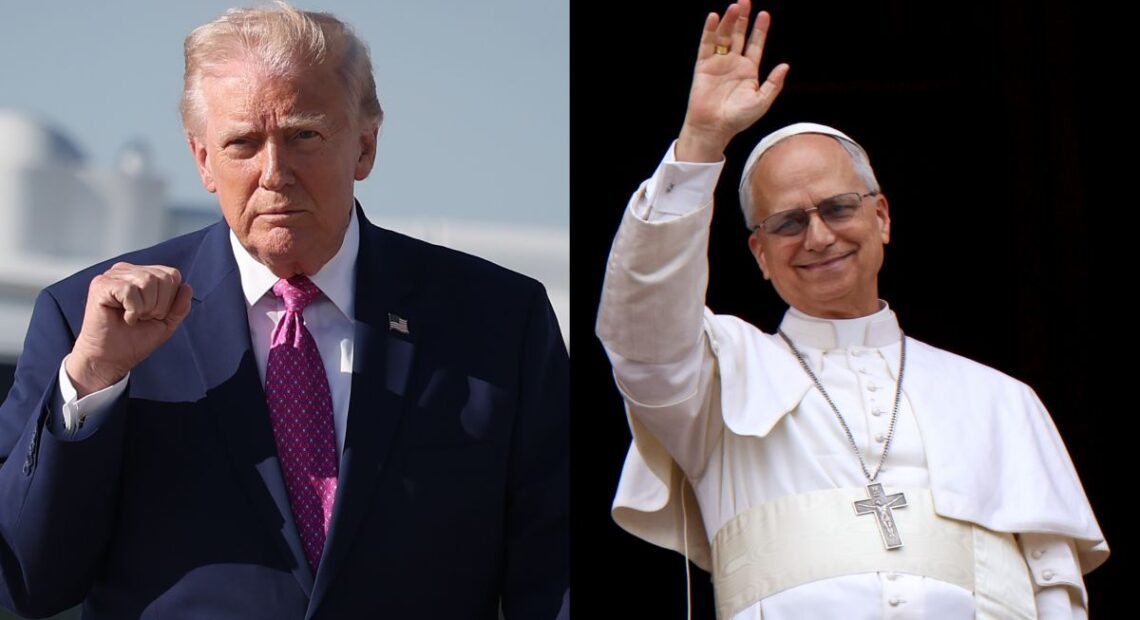
On April 12, 2026, Donald Trump launched a sharp public attack on Pope Leo XIV. The remarks followed the Pope’s criticism of the U.S.-Israeli war on Iran.
Consequently, the exchange has sparked a rare global rift between political and religious leadership.
Trump’s Strong Criticism of the Pope
Trump described the Pope as “weak on crime” and ineffective in foreign policy. He also accused him of aligning with liberal political views.
Additionally, Trump rejected the Pope’s stance on Iran and global conflicts. He argued that strong military action remains necessary for national security.
Moreover, Trump claimed influence over the Pope’s election, a statement widely disputed. These remarks further intensified the already growing tension.
Pope Leo’s Firm Stand on Peace
Earlier, Pope Leo condemned the Iran conflict as dangerous and unjust. He urged global leaders to prioritize dialogue instead of violence.
Furthermore, he criticized threats against entire civilizations as unacceptable. He emphasized international law and the protection of human dignity. Therefore, his message positioned the Vatican as a strong advocate for peace.
READ ALSO: Pope Leo XIV Announces Africa Tour to Strengthen Faith and Dialogue
Diplomatic Fallout Between Washington and the Vatican
The clash has triggered wider diplomatic concerns. Reports indicate strained relations between the White House and the Vatican.
Additionally, public criticism between both leaders has drawn global attention. Such confrontations remain rare between a U.S. president and a Pope.
Controversy Over Social Media Actions
Following his remarks, Trump shared controversial AI-generated imagery online. The post depicted him in a religious, symbolic manner.
Consequently, the move attracted criticism from religious organizations worldwide. Many viewed it as inappropriate and provocative.
A Growing Divide Between Politics and Religion
This dispute reflects deeper ideological differences on global issues. While Trump emphasizes security and power, the Pope promotes peace and restraint.
Therefore, the conflict highlights contrasting visions of leadership and morality.
What This Means for Global Leadership
Ultimately, the clash signals rising tension between political authority and moral influence. It underscores the challenges of balancing power, faith, and diplomacy.
As a result, the world continues to watch this evolving global dispute closely.