
The Untold History Behind Dreadlocks
Dreadlocks have existed for thousands of years globally. Many civilizations developed locs independently over time.
Additionally, people wore locs for spiritual and cultural reasons. Others used them as symbols of resistance and identity.
Therefore, dreadlocks carry deep historical significance worldwide. The hairstyle continues influencing modern fashion and culture.
Ancient India Holds Earliest Written Evidence
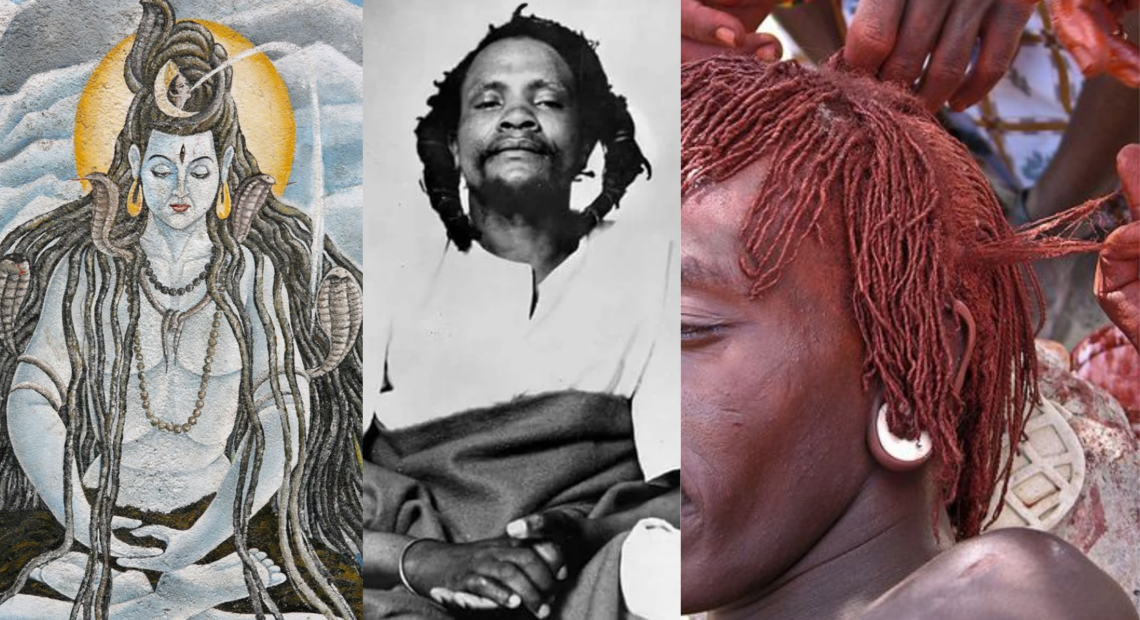
The earliest records trace back to ancient India. Vedic scriptures described twisted hair called jaTaa.
Additionally, the texts referenced Shiva and his followers. They wore matted hair for spiritual devotion.
Therefore, locs symbolized holiness and self-discipline. Many Hindu holy men still maintain the tradition.
Sadhus continue wearing locs today. They view the hairstyle as rejection of vanity.
Ancient Egyptians Also Wore Dreadlocks
Archaeologists discovered ancient Egyptian mummies with locs. The remains date back thousands of years.
Additionally, ancient carvings depicted people with matted hairstyles. Statues also showed similar hair patterns clearly.
Therefore, historians believe locs held social significance. The hairstyle likely reflected status and spirituality.
African Communities Preserved Loc Traditions
Many African societies maintained loc traditions historically. Different communities attached unique meanings to the hairstyle.
Additionally, Maasai warriors wore red-dyed locs proudly. Their hairstyles symbolized bravery and strength.
Ethiopian Coptic Priests also wore locs centuries ago. The hairstyle represented religious dedication and purity.
Additionally, some Yoruba spiritual leaders wore matted hair. They linked the hairstyle to sacred practices.
Therefore, Africa preserved diverse loc traditions successfully. Many customs continue influencing modern identity today.
READ ALSO: John Methu’s “Beard of Defiance” Becomes Symbol of Mt. Kenya Political Protest
The Origin of the Word “Dreadlocks”
The word “dreadlocks” has debated origins historically. One theory connects it to colonial Kenya.
Additionally, British colonizers described Mau Mau Uprising fighters negatively. They considered the warriors’ hair “dreadful.”
Therefore, the label “dreadlocks” reportedly emerged. However, resistance fighters embraced the hairstyle proudly.
Another theory links the term to slavery. Enslaved Africans often developed naturally matted hair.
Rastafari Movement Popularized Locs Globally
The Rastafari Movement expanded dreadlocks worldwide. Followers viewed locs as spiritual commitment.
Additionally, the movement connected locs to biblical teachings. The Nazarite vow discouraged cutting hair.
Therefore, locs became symbols of faith and identity. The hairstyle also represented resistance against oppression.
Dreadlocks Remain Powerful Cultural Symbols Today
Dreadlocks continue carrying spiritual and cultural meaning globally. Many people wear them proudly today.
Additionally, locs symbolize identity, heritage, and freedom. The hairstyle reflects centuries of historical traditions.
Ultimately, dreadlocks remain more than fashion statements. Therefore, they continue representing culture and resilience worldwide.