
Matatu Strike Officially Ends After Ruto Talks
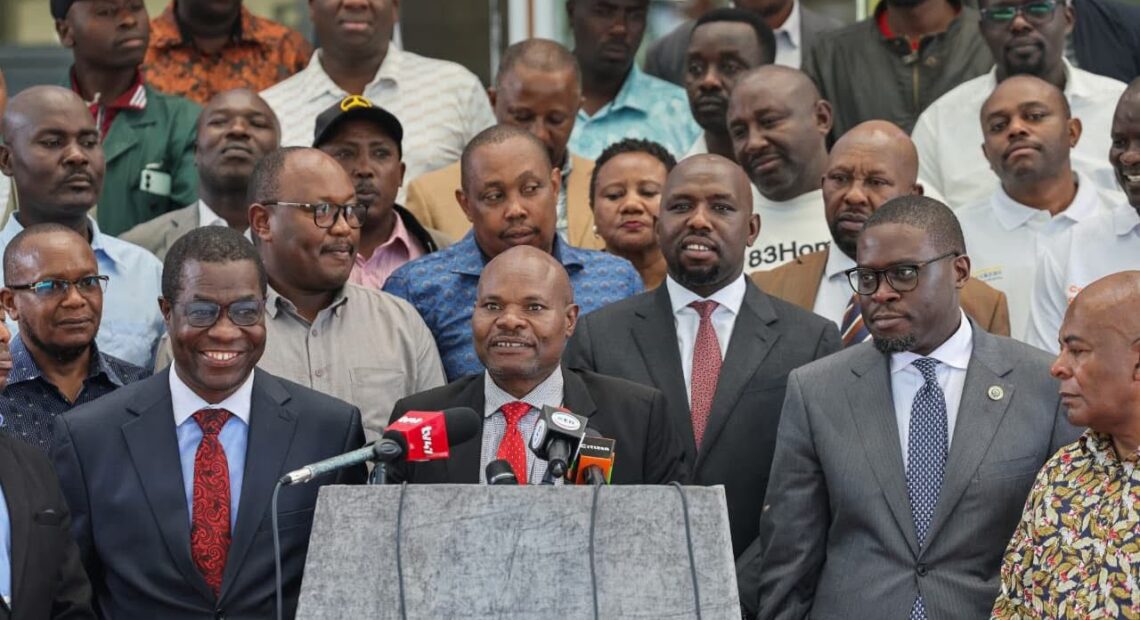
Matatu operators officially ended the nationwide strike on Friday, May 22, 2026. The decision followed successful talks with William Ruto in Mombasa.
Transport stakeholders agreed to resume normal operations immediately afterward. Therefore, commuters across Kenya experienced major relief instantly.
The strike had initially disrupted transport services nationwide severely. Thousands of workers and students struggled to reach destinations daily.
Additionally, public pressure mounted as economic activities slowed significantly. The government later intervened through high-level consultations urgently.
The breakthrough meeting finally ended days of nationwide uncertainty completely. Matatu operators later confirmed the strike had been abandoned indefinitely.
Government Announces Fuel and Regulatory Concessions
President Ruto directed the Energy and Petroleum Regulatory Authority to lower fuel prices immediately. The move aims to reduce transport operating expenses nationally.
Additionally, matatu operators had protested rising diesel prices consistently. Many operators argued the costs threatened business sustainability seriously.
The government also ordered reviews of transport insurance policies officially. Operators previously criticized expensive and restrictive insurance requirements heavily.
Additionally, authorities agreed to review auctioneer laws affecting operators directly. Transport stakeholders welcomed the proposed reforms positively.
The government further suspended the controversial graffiti directive officially. The National Transport and Safety Authority had proposed banning matatu graffiti earlier.
However, operators opposed the directive strongly across the country publicly. Therefore, the executive halted the policy following consultations.
Major Matatu Saccos Resume Full Operations
Major transport saccos resumed normal services immediately after the announcement officially. Passengers returned to matatu stages across Nairobi and other towns quickly.
Additionally, Super Metro resumed operations across key routes fully. Forward Travellers also restored services nationwide.
Embassava similarly confirmed full-time operations officially. Commuters immediately noticed improved transport availability afterward.
Transport fares also returned to standard rates gradually nationwide. Passengers had previously faced inflated fares during the disruptions.
Additionally, businesses resumed normal activities after transport stabilized significantly. The strike had disrupted commerce and mobility across Kenya heavily.
READ ALSO: EPRA Fuel Review Fails to Stop Nationwide Strike
Timeline of the Nationwide Matatu Strike
The nationwide strike officially began on Monday, May 18, 2026. Transport operators grounded vehicles across several major urban centers immediately.
Additionally, commuters trekked long distances after transport services collapsed suddenly. Roads in Nairobi experienced severe congestion and confusion widely.
On Tuesday, May 19, 2026, temporary negotiations began officially. Transport leaders agreed to suspend escalations briefly for dialogue.
Therefore, government officials intensified consultations throughout the week urgently. The discussions focused on fuel prices and transport regulations mainly.
The final breakthrough occurred on Friday, May 22, 2026 officially. The agreement followed a crucial State House meeting in Mombasa.
Additionally, the Matatu Owners Association announced the strike’s cancellation publicly. Leaders confirmed transport services would continue normally nationwide.
Joint Committee Formed to Address Future Concerns
The government and transport operators formed a joint committee officially. The committee will address unresolved legislative concerns collaboratively.
Additionally, officials aim to improve communication with transport stakeholders continuously. The move seeks to prevent future nationwide transport disruptions entirely.
Transport leaders urged authorities to implement agreements quickly afterward. They emphasized the importance of maintaining affordable operating conditions consistently.
Additionally, commuters welcomed the return of normal transport services nationally. Many workers had faced severe mobility challenges throughout the strike.
The agreement now restores confidence within Kenya’s transport sector gradually. Public service vehicle operations continue stabilizing across the country successfully.