

Why We Mark Day of the African Child Every June 16
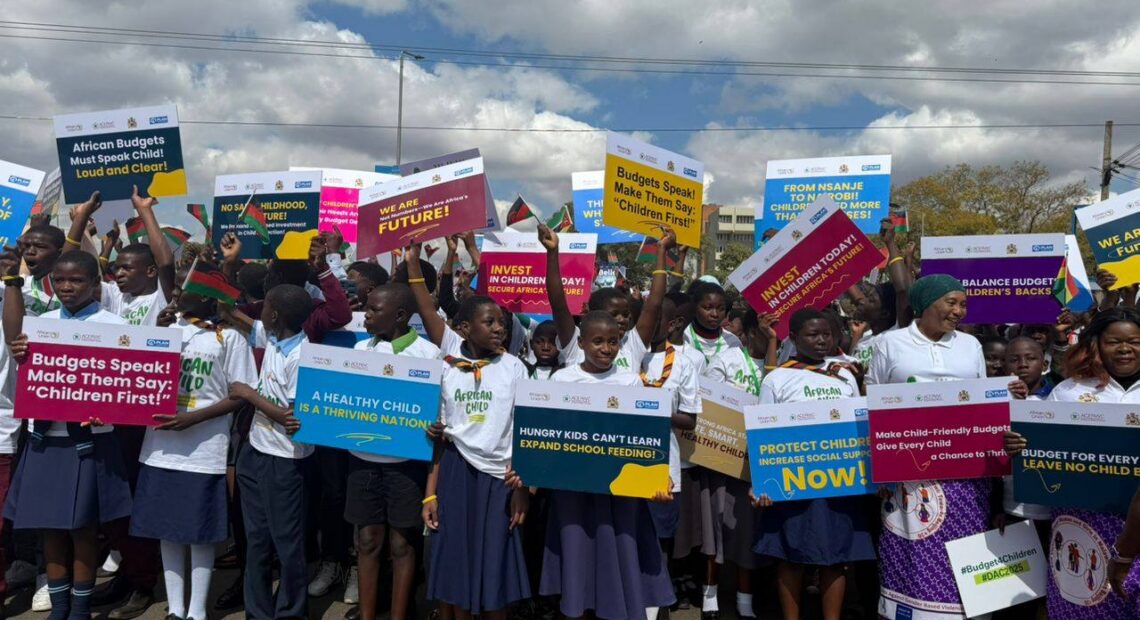
Every June 16, the African continent pauses to remember a defining moment in its history. Specifically, the Day of the African Child honours the memory of the school children massacred during the 1976 Soweto Uprising in South Africa. Furthermore, the day simultaneously raises continental awareness about the rights, welfare and unique challenges facing African youth today.
The Soweto Uprising That Started It All
The origins of this day are rooted in tragedy and courage. Specifically, on June 16, 1976, more than 10,000 Black school children in Soweto marched in a massive peaceful demonstration.
Furthermore, the students were protesting the poor, racially segregated quality of their education under the apartheid regime. Additionally, they explicitly demanded the right to be taught in their native languages instead of being forced to use Afrikaans.
The Violence That Followed
The response from authorities was devastating. Specifically, apartheid security forces opened fire on the unarmed children.
Consequently, hundreds of young students were killed, including 12-year-old Hector Pieterson, while thousands more were brutally injured.
How the Day Became Official
The sacrifice was never meant to be forgotten. Specifically, the Organisation of African Unity, now the African Union, established the Day of the African Child in 1991.
Furthermore, the day directly champions the implementation of the African Charter on the Rights and Welfare of the Child, a legally binding document protecting young people across the continent.
What the Day Means Today
This observance extends far beyond historical remembrance. Specifically, governments, NGOs and communities use June 16 to promote educational equity, campaigning for free, high-quality and culturally inclusive schooling.
Furthermore, the day amplifies child participation by providing safe forums for children to voice their views and hold policy leaders accountable. Additionally, it addresses pressing challenges including digital connectivity gaps, child health and nutritional security.
This Year’s Focus
Each year carries a specific thematic priority. Specifically, the 2026 theme centres on ensuring universal access to water, sanitation and hygiene for every child in Africa, directly targeting school absenteeism and child mortality linked to these basic needs.