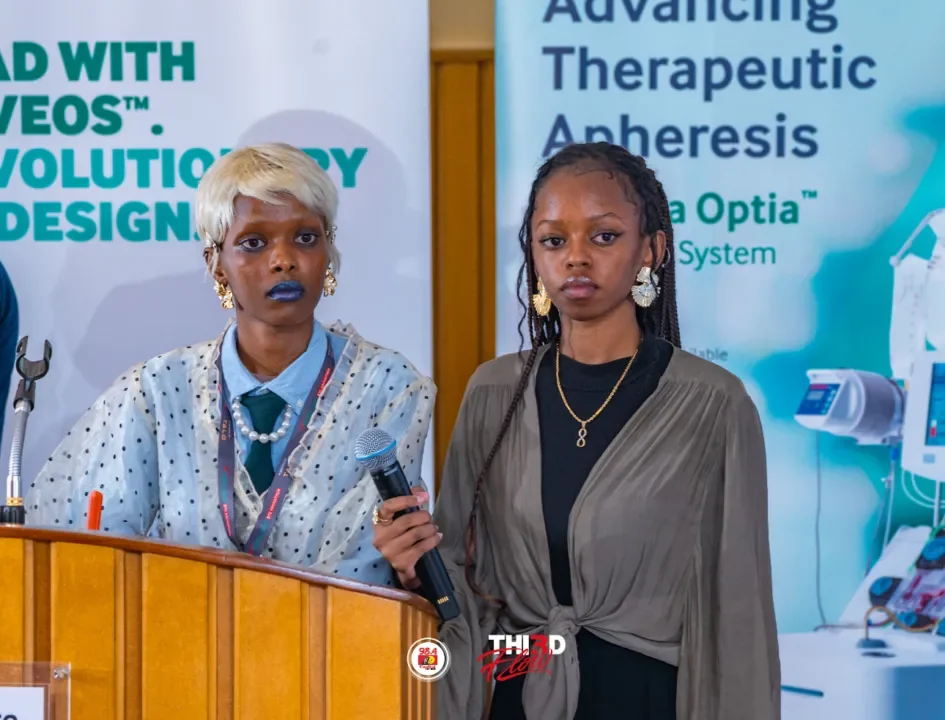
The Nairobi hackathon featured digital prototypes designed to improve blood supply management.
Kenyan and Nigerian innovators win USD 5,000 for a platform that helps hospitals locate blood stocks and coordinate transfers.
Young innovators from five African countries showcased blood tracking tools to help hospitals locate supplies, predict shortages and coordinate transfers. Five finalist teams presented working prototypes at the Terumo BCT Africa Hackathon 2026 in Nairobi.
The event took place at Strathmore University on Friday, November 13. Team Relay, comprising Kenyan and Nigerian innovators, won the USD 5,000 top prize with its HemoGrid platform.
Meanwhile, Kenya’s Medibora team placed second with Providus, which forecasts shortages by blood group and location. Both projects address gaps in information that can delay access to blood during urgent transfusions.

Blood tracking tools target shortages and delays
HemoGrid allows hospitals to search participating blood banks and healthcare facilities for compatible stocks before requesting transfers. This approach aims to reduce the need for separate inquiries across facilities.
However, authorised healthcare workers must approve transfers, keeping decisions about blood movement under professional oversight. Providus, meanwhile, analyses supply and demand patterns to estimate where stocks could run low and when.
Medibora demonstrated access through a digital dashboard, basic mobile phones using USSD, and SMS. The approach could also help facilities with limited internet access plan collections and redistribute stocks before shortages worsen.
Digital Health Agency Director of Digital Health and Informatics Dr Jeremiah Mumo called for technology that addresses practical healthcare challenges. He highlighted the need for accurate analysis, forecasting and real-time information on national blood availability.
Other prototypes address records and storage
Kenya’s UnitTrace checks blood bank records for duplicate entries, missing information and unusual data. It flags concerns for review, while supervisors must approve any corrections before implementation.
Damu Signal, developed by innovators from Rwanda and Nigeria, projects hospital blood requirements up to 14 days ahead. It also recommends transfers between blood centres, but transfusion officers can approve, change or reject those proposals.
TrustLedger, from participants in Ghana, Nigeria and Zimbabwe, monitors blood storage and transport conditions. It uses temperature, electricity, transport and stock information to flag units for additional checks and records staff reviews.
Testing needed before wider adoption
The demonstrations support efforts to develop an African Blood Bank Information System connecting hospitals, blood centres, laboratories and healthcare professionals. Talo Africa Chief Operating Officer Mike Edie said evaluators considered practical usefulness and operation across multiple facilities.
Terumo BCT project manager Edith Ombati also stressed the need for tools suited to facilities with limited infrastructure and connectivity. Participants, aged 18 to 35, developed prototypes under rules prohibiting actual patient or donor records.
However, the systems still require technical assessment, facility testing, regulatory consideration and institutional agreements before nationwide adoption. Organisers said selected innovations could undergo further development with healthcare institutions and technology organisations.