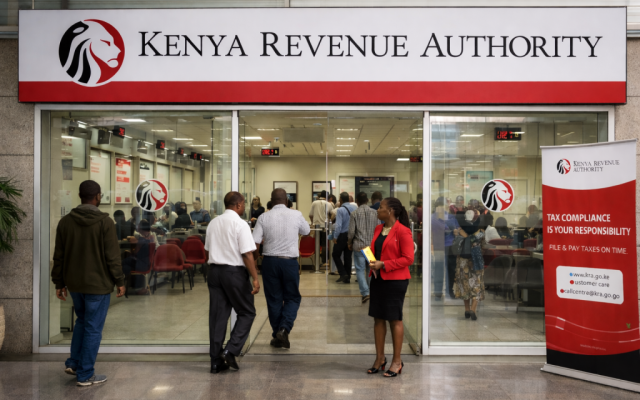


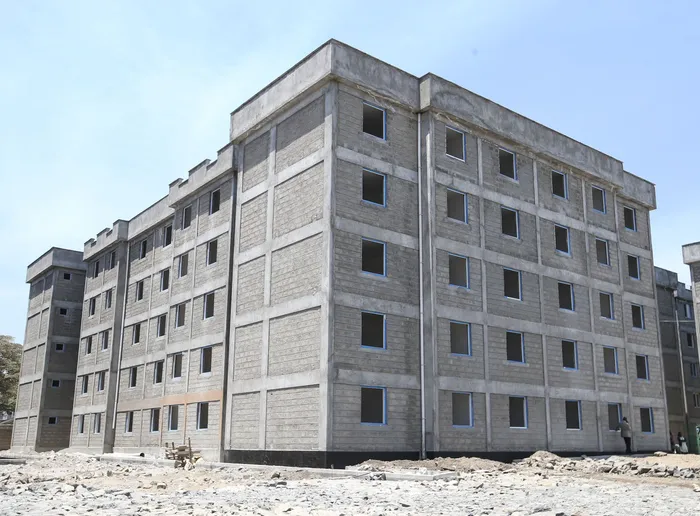
If you have checked your payslip recently, you may have noticed the Affordable Housing Levy (AHL). The levy is a statutory charge introduced to support Kenya’s affordable housing programme.
The Affordable Housing Act, 2024 sets the levy at 1.5% of an employee’s gross salary or 1.5% of qualifying gross income not subject to the employee levy. The Kenya Revenue Authority (KRA) is responsible for collecting the levy.
Who Pays the Affordable Housing Levy?
For salaried employees, both the employee and employer contribute. Employees pay 1.5% of gross monthly salary, while employers make a matching 1.5% contribution. KRA confirms that the rule applies to employees regardless of their contract of service.
The law also provides for a 1.5% levy on qualifying gross income that is not already subject to the employee levy. However, an employer who is already paying the levy on employees is not required to pay another levy on that same employment income.
How Is the Levy Calculated?
KRA defines gross monthly salary for the employee levy as basic salary plus regular cash allowances. These include housing, travel or commuter and car allowances.
Non-cash benefits and irregular payments such as bonuses, gratuity, pension, severance pay and terminal benefits are excluded from this calculation.
| Gross Monthly Salary | Employee 1.5% | Employer 1.5% | Combined |
|---|---|---|---|
| KSh50,000 | KSh750 | KSh750 | KSh1,500 |
| KSh100,000 | KSh1,500 | KSh1,500 | KSh3,000 |
| KSh250,000 | KSh3,750 | KSh3,750 | KSh7,500 |
For example, an employee earning a gross salary of KSh100,000 contributes KSh1,500 each month. Their employer contributes another KSh1,500.
When Must the Housing Levy Be Paid?
The levy must be remitted to KRA by the ninth working day after the end of the month in which the gross salary was due or qualifying gross income was received or accrued.
For example, the levy relating to September income is due within nine working days after the end of September.
Late Payment
Late payment attracts a penalty of 3% of the unpaid amount for each month or part of a month that the amount remains unpaid. KRA’s official filing guide confirms the penalty.
Employers therefore need to ensure both the employee deduction and matching employer contribution are remitted correctly.
Is it a Personal Savings Account?
No. The levy is imposed under law and paid into the Affordable Housing Fund. It should not be treated like personal savings in a SACCO or pension account.
Paying the levy also does not automatically guarantee an individual a house. Access to affordable housing involves a separate application and allocation process under the government’s housing programme.
What About Housing Levy Relief?
This is an important point many Kenyans misunderstand. KRA states that taxpayers paying the housing levy under the Employment Act are not eligible for Affordable Housing Relief under the former Section 30A provision.
KRA also lists the Affordable Housing Levy itself as an allowable deduction when determining taxable employment income.
How the Housing Levy Affects Your Pocket
The Affordable Housing Levy directly affects how much employees take home each month. For example, an employee earning KSh50,000 contributes KSh750 monthly. At a gross salary of KSh100,000, the contribution rises to KSh1,500. Meanwhile, an employee earning KSh250,000 contributes KSh3,750 every month.
Additionally, employers make a matching 1.5% contribution. As a result, the levy creates an extra payroll cost for businesses while reducing employees’ monthly take-home pay.
The Outlook
Going forward, the Affordable Housing Levy will remain an important part of Kenya’s tax and payroll system. For employees, the key figure to remember is 1.5% of gross monthly salary. Employers, meanwhile, contribute an additional 1.5%.
Therefore, understanding the levy helps employees check their payslips and track deductions accurately. It also helps businesses calculate payroll costs and meet their KRA obligations.
Ultimately, knowing how the levy works allows both employees and employers to plan their finances more effectively.