

The 2026/27 UEFA Champions League has kicked off with new rules aimed at reducing time-wasting and improving officiating.
The new campaign officially began on July 7 with the qualifying rounds. The league phase, featuring 36 teams, started on September 8.
This is the third season of the Champions League’s new league-phase format.
However, the format is not the only major change this season.
UEFA has introduced several changes to the Laws of the Game. The adjustments target delays, substitutions, injuries and VAR decisions.

The season will also feature a major African coaching milestone.
10-second limit for substitutions
Players leaving the pitch after being substituted will now have 10 seconds to exit.
If a player takes longer, the incoming substitute cannot enter immediately.
The substitute must wait until the first stoppage after one minute has passed following the restart.
The change is designed to stop players from deliberately wasting time during substitutions.
Injured players must stay off for one minute
Players who receive treatment on the pitch must now leave the field for one minute after play restarts.
There are several exceptions.
The rule does not apply to goalkeepers in certain situations. It also has exceptions for goalkeeper-outfield player collisions and injuries caused by fouls that result in a yellow or red card.
A player who is injured while taking a penalty can also be exempted if they are the designated taker.
The aim is to prevent injuries from being used to deliberately disrupt the flow of matches.
Five-second countdowns for delayed restarts
Referees can now use a visual five-second countdown when a team deliberately delays a throw-in or goal kick.
If the countdown expires, the restart changes.
The opposition receives the throw-in if a throw is delayed.
For a delayed goal kick, the opposition is awarded a corner.
The countdown is not automatic for every restart. The referee must first determine that a team is deliberately delaying play.
VAR gets more power in the Champions League
VAR has also received an important upgrade.
For the first time, UEFA competitions can review a clearly incorrect second yellow card that results in a red card.
If VAR identifies the mistake, the referee can review the incident and cancel the second yellow card. The player can then remain on the pitch.
VAR can also intervene when an attacking player commits a clear foul before a corner or free-kick is taken.
If that offence directly affects a subsequent goal, penalty or disciplinary decision, the outcome can be cancelled.
The set piece will then be retaken.
UEFA has also clarified its approach to incorrectly awarded corners. VAR can intervene when the mistake is clear and the correction can happen without delaying the restart.
Covering the mouth can still bring a yellow card
UEFA will not automatically treat covering the mouth while speaking to an opponent as a red-card offence.
However, referees can consider the action unsporting if a player is using it to conceal inappropriate communication.
A yellow card can then be issued, while further disciplinary action remains possible.
Four yellow cards before a suspension
Players will have slightly more room before triggering a suspension during the league phase.
A player is suspended after accumulating four yellow cards that do not result in a red card.
Further suspensions follow at six, eight and other even-numbered yellow-card totals.
The threshold applies from the first match of the league phase.
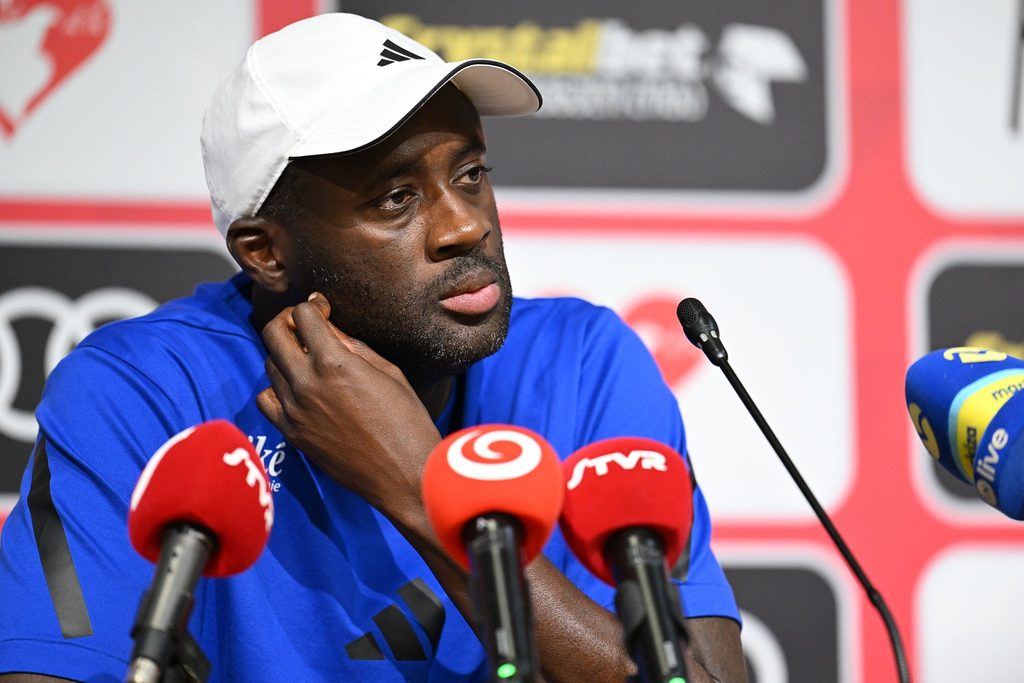
Yaya Touré makes African history
The new Champions League season also brings a landmark moment for African football.
Former Manchester City and Barcelona midfielder Yaya Touré is leading Slovan Bratislava in the league phase.
Touré guided the Slovak champions through qualifying before securing their place among Europe’s elite.
His appointment marks a significant milestone for African coaches in the competition.
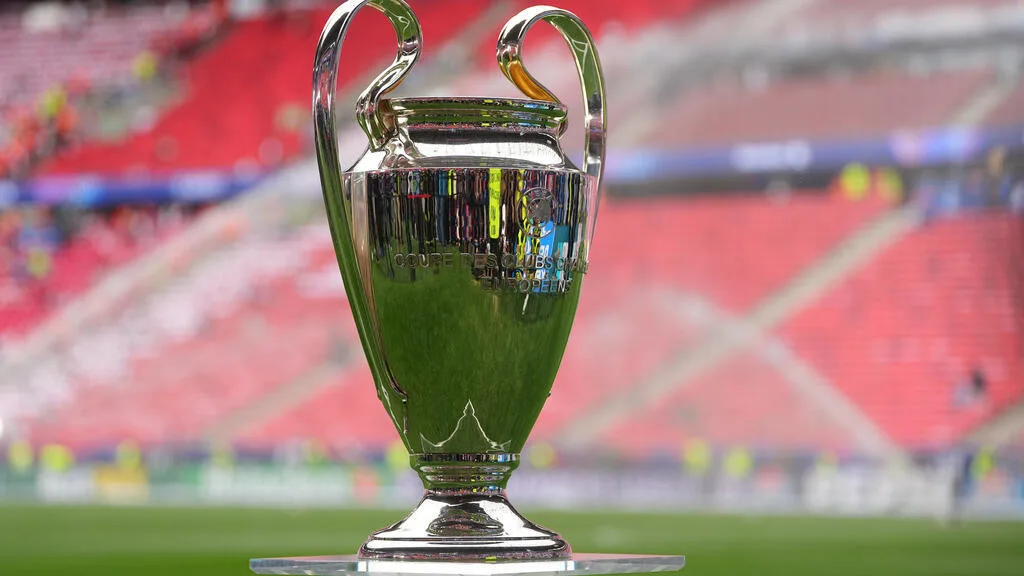
Touré previously won the Champions League with Barcelona during the 2008/09 season.
He also made 70 Champions League appearances as a player, ranking seventh among African players for appearances in the competition.
36 teams chasing Madrid
The 2026/27 Champions League features 36 teams competing in the league phase.
Each club will play eight matches against eight different opponents, with four games at home and four away.
The top eight teams will advance directly to the round of 16.
Teams finishing from ninth to 24th will enter the knockout phase play-offs.
The remaining teams will be eliminated.
The league phase runs through January 2027, before the knockout rounds begin in February.
Final set for Madrid
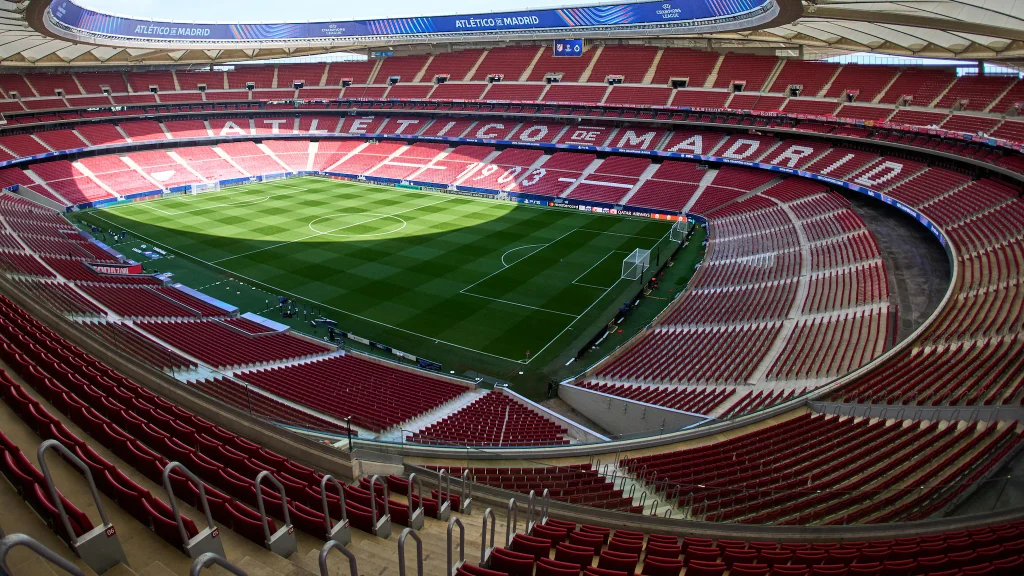
The journey will end at the Estadio Metropolitano in Madrid on June 5, 2027.
It will be the second Champions League final hosted at the stadium after the 2019 final.
Liverpool defeated Tottenham 2-0 in that previous showpiece.
With stricter time-wasting measures, expanded VAR powers and a historic African presence on the touchline, the 2026/27 Champions League promises plenty of talking points.
The race for Madrid has officially begun.