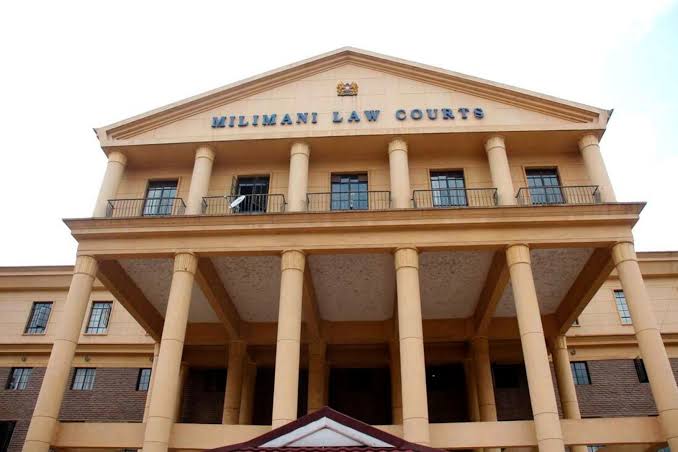
The Milimani Law Courts (Photo: News)
The Judiciary facilitated settlements worth Sh14.73 billion through court-annexed mediation during the 2025/2026 financial year.
The development highlights the growing role of alternative dispute resolution in reducing court backlogs and helping Kenyans settle disputes without lengthy litigation.
According to the State of the Judiciary and the Administration of Justice Report 2025/2026, mediation referrals increased by 77 per cent to 11,650 cases.
The courts also concluded 11,164 cases during the period, representing a 96 per cent conclusion rate.

The disputes referred to mediation had a combined value of Sh21.78 billion. However, parties successfully negotiated settlements worth Sh14.73 billion.
Mediation Helps Reduce Court Backlogs
Unlike conventional court proceedings, mediation allows disputing parties to negotiate an agreement with assistance from a neutral mediator.
The process gives parties an opportunity to reach mutually acceptable solutions without waiting for a judge to determine their disputes.
It is particularly useful in commercial, family, succession and other civil matters. Additionally, mediation can reduce legal expenses and help preserve relationships between disputing parties.
The increase in referrals comes as the Judiciary continues to manage a significant backlog of cases across the country.
During the 2025/2026 financial year, courts received 561,580 new cases and concluded 576,702.
This represented a case clearance rate of 103 per cent, meaning courts resolved more cases than they received.
Despite the progress, the Judiciary ended the financial year with 579,954 pending cases. More than 341,000 had remained unresolved for over a year.
Judiciary Expands Access to Justice
Beyond mediation, the Judiciary has introduced several initiatives to improve access to justice and reduce delays.
These include mobile courts, special benches and the Mahakama Popote initiative.
Mobile courts bring judicial services closer to communities facing geographical and financial challenges when accessing conventional court stations.
Meanwhile, alternative dispute resolution provides another avenue for resolving matters that may not require lengthy courtroom proceedings.
However, successful mediation depends on more than the financial value of settlements. Agreements must remain voluntary, fair and enforceable to deliver meaningful justice.
The latest figures nevertheless demonstrate the growing importance of mediation in Kenya’s justice system.
As pending cases continue to challenge the courts, alternative dispute resolution could play a bigger role in delivering faster and more affordable justice to Kenyans.