

Healthcare and social protection for older people are central to Kenya’s preparations for an ageing population.
Specialists want expanded healthcare, stronger pensions and support for caregivers as Kenya’s population aged 60 and above is projected to more than double.
Kenya needs to strengthen healthcare, social protection and caregiving services as its population aged 60 and above is projected to grow from about 2.9 million to 6.4 million by 2045, geriatric specialists have warned.
The experts said the increase would have consequences for families, public services and the economy, making early investment in services for older people essential.
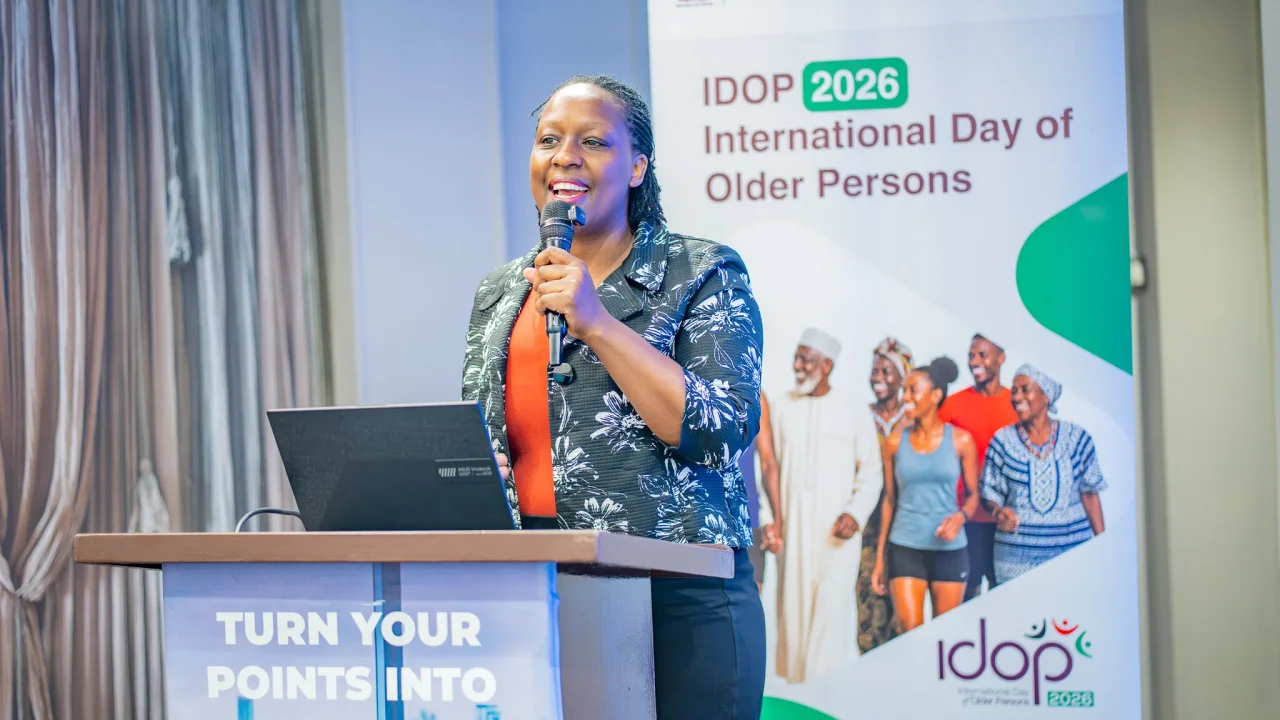
Dr Lydia Atambo, a physician specialising in geriatric medicine, said the country must move beyond viewing ageing solely as a welfare concern and prepare for its wider economic and healthcare implications.
Taking older people’s care closer to home
Atambo, who is also co-founder of ACEHOP and chair of the International Day of Older Persons conference, called for geriatric care to become part of primary healthcare and community health services.
She said access should extend beyond cities and major towns, with a coordinated approach covering home-based care, rehabilitation, palliative services and long-term care.
Changing household structures are also putting pressure on traditional caregiving arrangements. Atambo noted that children increasingly live away from their parents, families are smaller and more women are in paid employment.
These changes, she said, require a stronger care sector that trains and supports professional caregivers while helping relatives who look after older family members. Expanding home and community-based services could also create employment and help families remain economically active.
Healthy ageing starts before retirement
Ministry of Health officials said planning for an older population must address the growing burden of non-communicable diseases, which become more common with age.
Dr Esther Muinga said the 2019 Kenya Population and Housing Census counted about 2.7 million older people, representing roughly six per cent of the population.
She said healthy ageing depends on choices and conditions throughout life, including childhood nutrition, immunisation, education, safe surroundings, mental wellbeing and the prevention of chronic diseases.
Muinga also urged a family-centred approach to universal health coverage, rather than designing services that treat older people separately from their households and communities.
She said the Ministry of Health had established a technical working group on healthy ageing and was implementing policies and strategies to improve care for older people.
Recognising older people’s contribution
Dr Jane Muita cautioned against presenting the growing older population as a burden. She said longer lives reflect progress in health and development, while older people continue to contribute through employment, leadership, community activities and sharing knowledge.
Muita urged the media to avoid portraying later life only through illness, vulnerability and dependence. The priority, she said, should be ensuring that additional years of life are healthy and meaningful.
Dr Tasneem Yamani, technical advisor at Suqoon Kenya, similarly called for older people to participate directly in reporting and decisions that concern them, rather than having others speak on their behalf.
Support for families and financial security
The discussion also highlighted the pressure on relatives caring for older people, particularly women who provide much of the unpaid support. Officials said the response must include income security, social protection, accessible infrastructure and assistance for caregivers.
Organisers called for stronger connections between generations to reduce loneliness and give younger people opportunities to learn from older people’s experience.
Julie Omollo of the State Department for Social Protection said the Government planned to use International Day of Older Persons activities for national and county-level engagement. She said older people should remain part of development discussions and help shape policy.
The experts also called for stronger pension systems, financial literacy, retirement planning and access to healthcare in later life, alongside age-friendly workplaces, transport and public infrastructure. Atambo stressed that preparation and prevention must begin well before 2045.