Kenya Space Agency engagements in China focused on satellite technology and aerospace training.
The Kenya Space Agency has engaged Chinese aerospace firms and Beihang University on satellite data, ground communications and skills development.
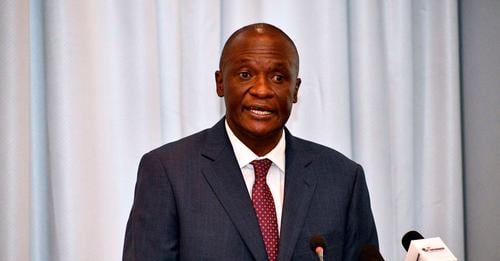
Kenya-China space cooperation talks have focused on expanding access to satellite technology, ground communications and aerospace training. Kenya Space Agency (KSA) Director Hillary Kipkosgey led engagements with Chinese companies and academic officials to explore potential partnerships.
The delegation visited satellite manufacturer MinoSpace, space communications company Emposat Co. Ltd and Beihang University. Discussions covered technical skills, satellite data access and opportunities to strengthen Kenya’s space infrastructure.
Satellite data and ground communications
At Beijing-based MinoSpace, Kipkosgey met co-founder Huan Yiheng and other senior executives to discuss possible collaboration. The company designs and manufactures satellites, including optical and synthetic aperture radar systems.

The Kenyan delegation also toured its satellite assembly, integration and testing facility on October 16. KSA said discussions addressed training, satellite data access and capabilities across the space industry.
A day earlier, the delegation visited Emposat, which provides telemetry, tracking and command services. The company also develops ground stations and integrated systems for communication between satellites and facilities on Earth.
Talks with Emposat chairman and co-founder Zhao Lei explored ways to strengthen Kenya’s national space capabilities. These engagements focused on potential cooperation rather than announced project commitments.
Space technologies support communications, environmental monitoring, weather observation and disaster management. Access to satellite-derived information therefore offers Kenya opportunities to expand its use of these applications.
Beihang talks focus on aerospace skills
Beyond commercial partnerships, the agency pursued academic cooperation at Beihang University on October 15. Kipkosgey met senior officials led by Vice President Prof Zhao Weisheng to discuss training and aerospace research.
Weisheng said nine Kenyan students attended undergraduate and postgraduate programmes at the university, including aerospace engineering. He also outlined research and training partnerships with Chinese aerospace companies, international partners and Kenyan public universities.
The university has a Centre for Space Studies accredited by the United Nations Office for Outer Space Affairs for the Asia-Pacific region. It also plans to establish a Sino-Africa school in Morocco as its African headquarters.
Meanwhile, Kipkosgey called for closer ties between KSA and Beihang through aerospace studies centres. He welcomed scholarships for Kenyan students in China and pledged support for a proposed African student alumni association.
Kenya-China space cooperation priorities
The visits followed an October 14 meeting with Kenya’s Ambassador to China, Willy Bett, at the Kenyan Embassy in Beijing. KSA briefed Bett on national space development priorities and its engagements with Chinese industry players.
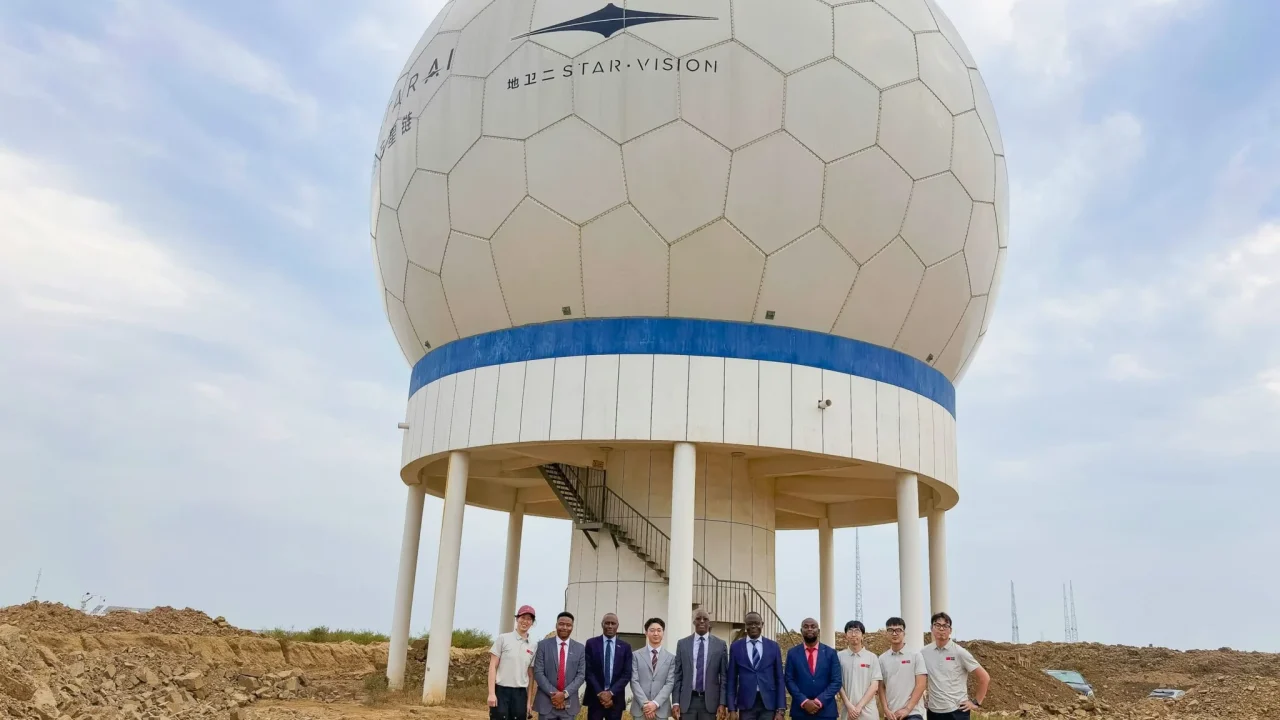
Those engagements included STAR.VISION, OrienSpace Rocket Manufacturing and Oriental Marine Spaceport Company. Discussions also covered training initiatives and cooperation with STAR.VISION on artificial intelligence-powered processing and analysis of satellite data.
Bett described space technology as a strategic area for socioeconomic development. He urged Kenya to use its geostrategic location and deepen cooperation with China, which he described as a major global space-sector player.