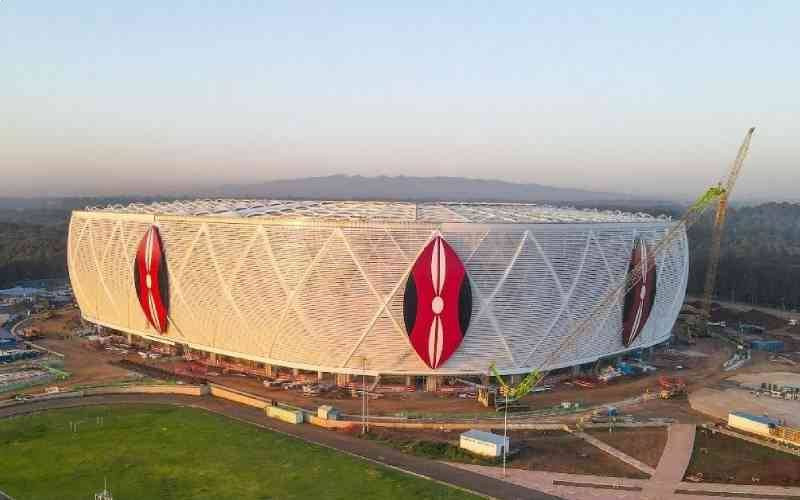
Kenyan sports teams and athletes continue to face a shortage of completed sporting facilities, raising concerns over the country’s preparedness for major international competitions.
Only a handful of venues, including Nyayo National Stadium and Ulinzi Sports Complex, remain available for regular sporting activities. Meanwhile, the ongoing Talanta Sports City project is expected to expand the country’s capacity once completed.
The shortage has placed pressure on clubs, national teams and athletes who need reliable facilities for training and competitive fixtures. It has also increased operational costs as teams search for suitable venues across the country.
Nairobi Venues Bear the Biggest Burden
Nairobi remains the main destination for teams seeking facilities that meet competitive standards. Nyayo National Stadium and Ulinzi Sports Complex continue to host several domestic and international sporting activities.
However, relying on a small number of venues creates additional pressure on playing surfaces and training schedules. Clubs also face challenges securing suitable grounds for regular sessions.

Outside Nairobi, several county sports facilities remain unavailable due to ongoing renovations and delayed construction works. Consequently, regional teams often struggle to find suitable home grounds for training and competitive matches.
The Talanta Sports City project in Jamhuri remains one of the government’s major investments in sporting infrastructure. The planned facility is expected to strengthen Kenya’s capacity to host international competitions.
Construction Delays Raise Concerns
Several challenges continue to affect the development and rehabilitation of sporting facilities across the country.
Key concerns include:
- Limited facilities: Teams depend on a small number of operational stadiums and training grounds.
- Construction delays: Unfinished regional projects continue to limit access to standard sporting facilities.
- Rising costs: Clubs incur additional expenses when travelling to secure suitable training and match venues.
- Athlete development: Inadequate training grounds affect talent development and preparations for major competitions.
These challenges also affect smaller clubs and regional teams that depend on accessible public facilities.
Regional Teams Bear the Impact
The shortage of functional sporting facilities extends beyond professional football. Athletes in athletics and other disciplines also need reliable training environments to maintain competitive standards.
Without dependable home grounds, regional clubs struggle to maintain consistent training programmes. They also lose opportunities to attract supporters and develop stronger connections with their communities.
Meanwhile, delays in completing infrastructure projects continue to raise questions about planning, funding and project implementation. These concerns become more pressing as Kenya prepares for major continental sporting commitments.
What Next for Kenya’s Sports Infrastructure?
Attention now turns to the government’s progress in completing ongoing stadium projects and rehabilitating existing facilities.
Timely completion will be important in easing pressure on operational venues and improving access for clubs across the country.
Kenya’s ambitions to host major international competitions will also depend on having sufficient facilities that meet required standards.
Ultimately, the country’s sporting ambitions must go beyond stadium construction announcements. Teams and athletes need functional training grounds, accessible facilities and reliable infrastructure to compete at the highest level.