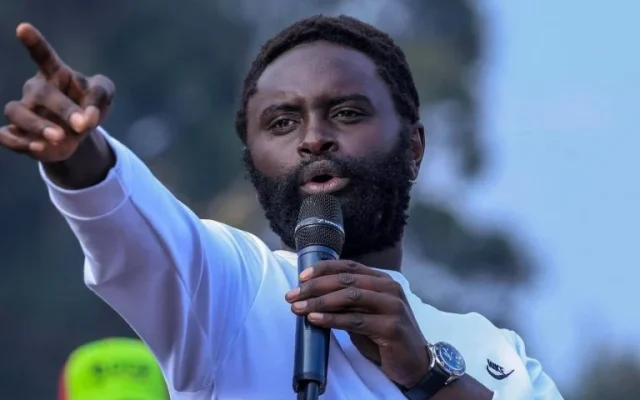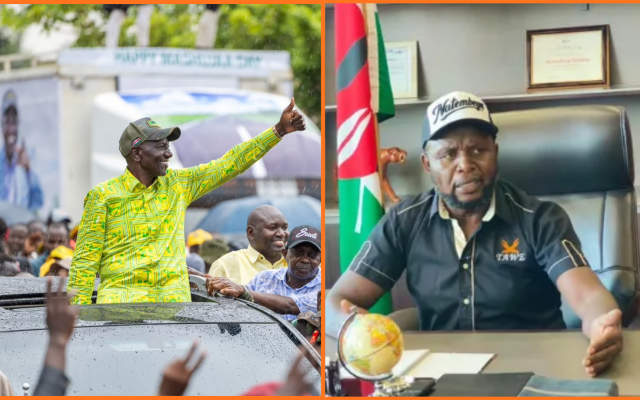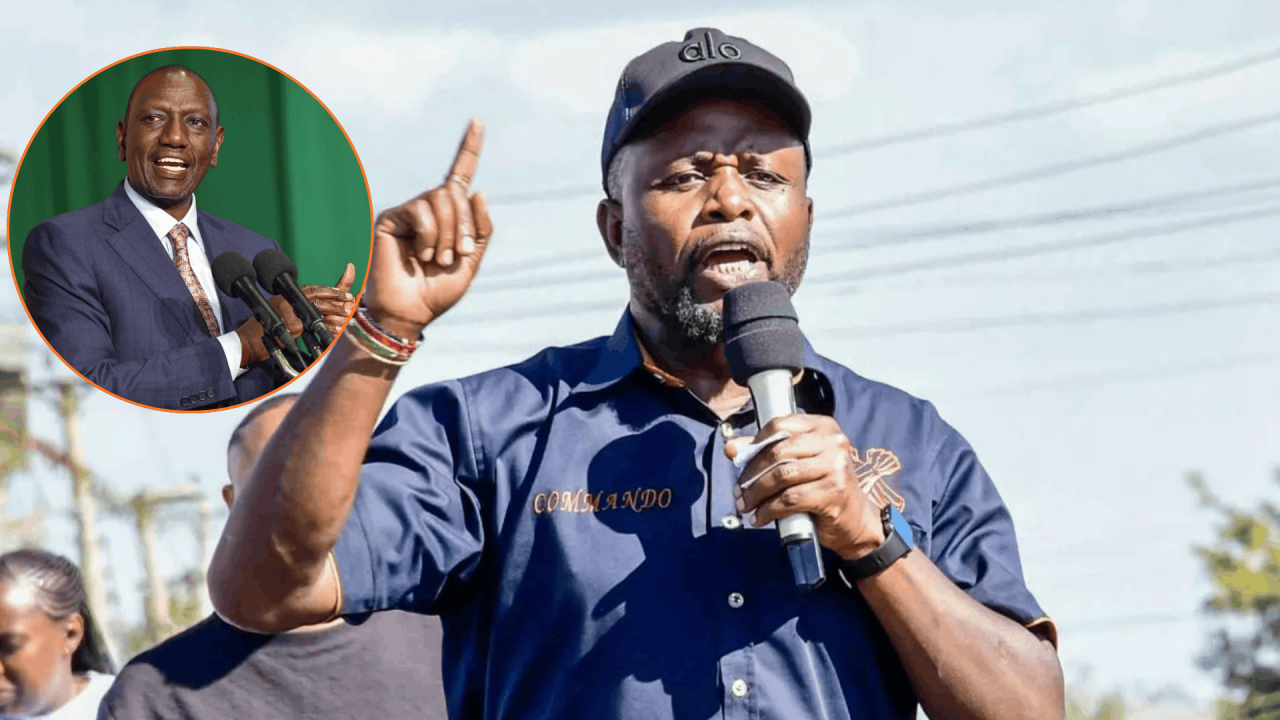
Trans Nzoia Governor George Natembeya has drawn a firm distinction between working with President William Ruto on development and supporting his political agenda.
The governor’s position has gained renewed attention amid a growing dispute over development projects, healthcare and the responsibilities of national and county governments. The disagreement has also exposed wider questions about devolution and political accountability ahead of the 2027 General Election.
Natembeya Separates Leadership From Politics
Natembeya’s stance reflects the challenge facing county leaders who must engage the national government while maintaining their political independence.
As governor, he is responsible for representing Trans Nzoia residents and advancing their interests. That role requires engagement with national institutions, even when disagreements arise between leaders.
However, Natembeya has resisted calls to align himself politically with Ruto, arguing that cooperation should respect constitutional boundaries and the responsibilities assigned to each level of government. His position highlights a central question in Kenyan politics: can leaders work together on public services without agreeing politically?

Development Projects Fuel Tensions
The disagreement between Natembeya and Ruto has intensified over projects in Trans Nzoia, particularly the Masinde Muliro Market in Kitale and a proposed hospital upgrade.
The market has become a flashpoint over funding, completion and political credit. Natembeya maintains that his administration played a major role in completing the facility using county resources.
Ruto, meanwhile, has highlighted the national government’s development commitments in the region. The competing accounts have fuelled a public dispute over each administration’s contribution.
Healthcare has also become a major source of disagreement. The national government wants to advance a hospital project in the county, while Natembeya has questioned its implementation arrangements and the county government’s involvement. The dispute raises questions about coordination, funding and accountability for projects intended to benefit residents.
The Tawe Movement and Political Independence
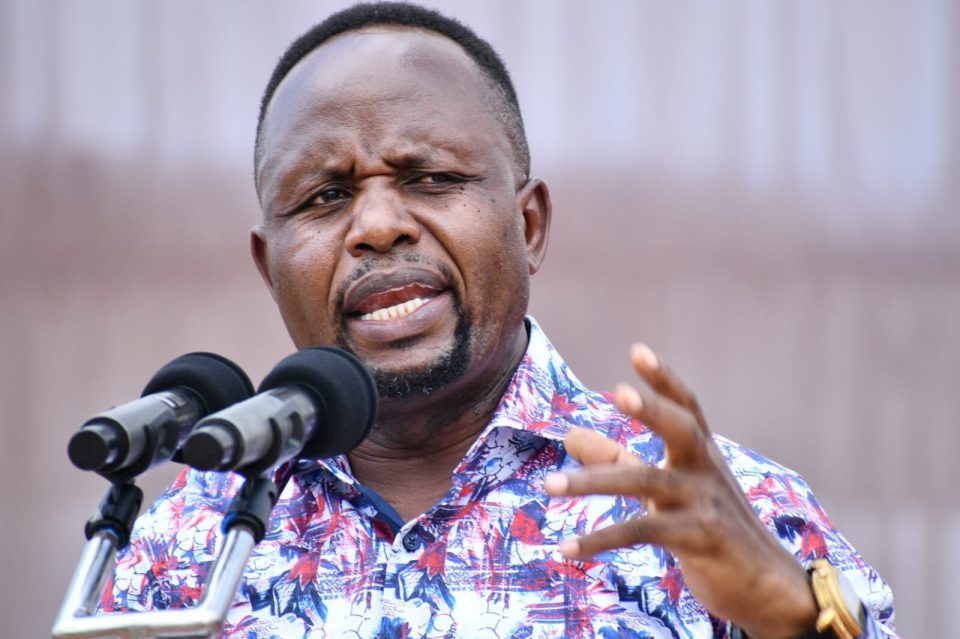
Natembeya’s political identity is also associated with the Tawe movement, whose name means “no” in Kiswahili. The movement has become part of his opposition to political positions he considers unacceptable.
His supporters may view the approach as a statement of independence, while critics may question whether confrontational politics can deliver results.
The disagreement with Ruto has brought that political identity into sharper focus as leaders position themselves ahead of the next election.
What the Dispute Means for Devolution
Kenya’s devolved system assigns different responsibilities to national and county governments. Cooperation is important, but disputes can emerge when projects overlap or leaders disagree over funding and implementation.
For Trans Nzoia residents, the immediate concern is whether political differences will affect access to healthcare, markets and other public services.
Ultimately, the dispute is about more than the relationship between two political figures. It raises questions about how public projects should be coordinated, who deserves credit for delivering them and how leaders can be held accountable.
As the 2027 General Election approaches, Natembeya’s approach will remain part of the broader debate over political independence, intergovernmental cooperation and development in Kenya.