The measures retain 8 per cent VAT on fuel, revise construction-material duties and give KRA a funding formula linked to revenue.
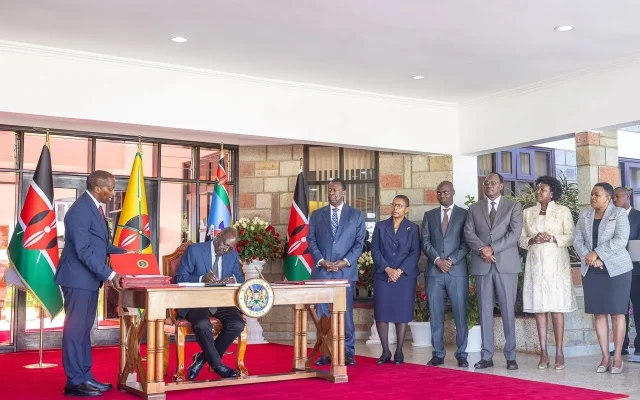
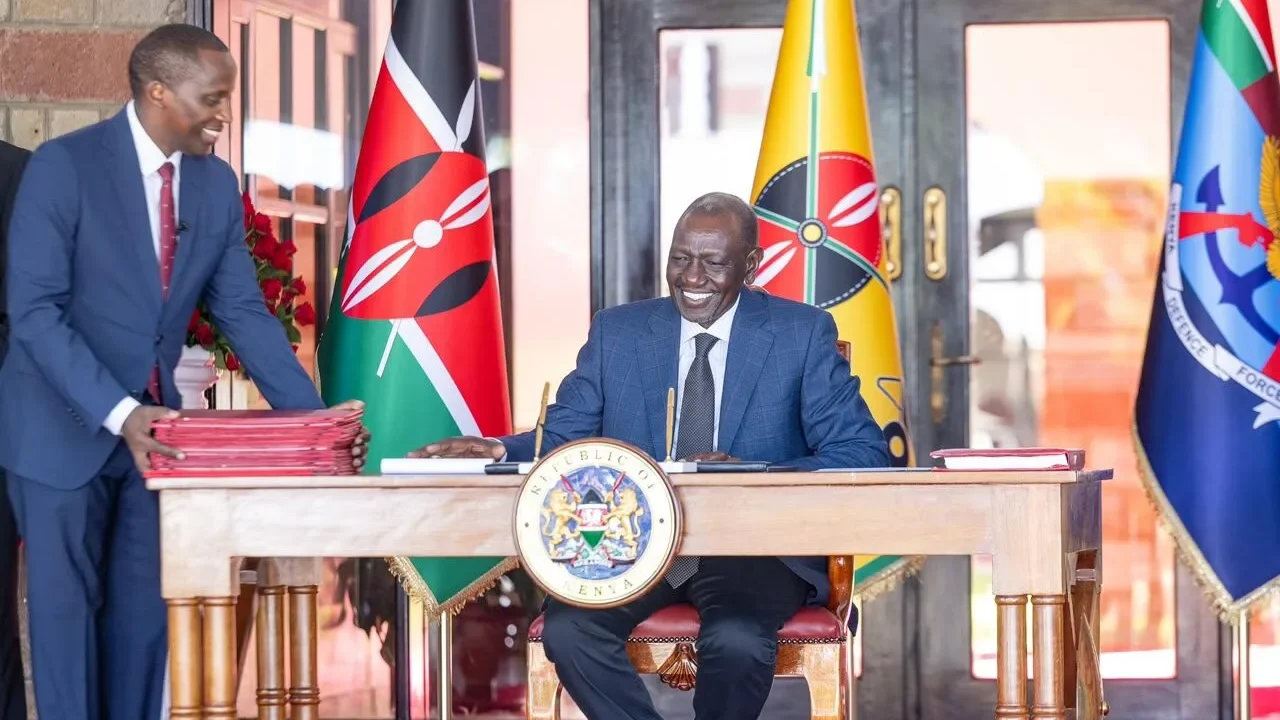
President William Ruto has signed new tax laws retaining reduced fuel VAT, revising construction-material duties and changing KRA funding. The two 2026 Acts also reshape the Kenya Revenue Authority’s board and introduce incentives for exceeding collection targets.
The government intends the measures to cushion consumers, ease building costs and strengthen revenue collection. However, lower tax charges will not necessarily translate into cheaper fuel or immediate savings for builders.
New tax laws retain fuel VAT relief
The Tax Laws (Amendment) Act, 2026, keeps VAT on petrol, diesel and kerosene at 8 per cent. The reduced rate, compared with the standard 16 per cent, applies for an initial 90 days. Treasury’s Cabinet Secretary may then extend it for another 90 days if necessary.
The measure follows an earlier 180-day relief period introduced in April, which expired on October 14. The signing brief states that the new provision takes effect from midnight on October 14, 2026.

Meanwhile, the Energy and Petroleum Regulatory Authority had already used the reduced rate in its October 14 price review. Those prices took effect on October 15.
Despite the relief, EPRA raised Nairobi’s maximum retail prices:
- Super petrol: Sh226.96 per litre, up Sh12.93.
- Diesel: Sh227.76 per litre, up Sh9.90.
- Kerosene: Sh219.87 per litre, up Sh28.49.
The regulator attributed the increases to higher landed costs of imported refined petroleum products. Therefore, the VAT relief limits the tax burden but cannot prevent increases driven by other costs.
Motorists should also watch whether Treasury extends the relief and how subsequent EPRA reviews reflect international petroleum costs.
Construction duties change, but savings remain uncertain
The Act switches tile excise calculations from weight to area, reflecting how traders commonly sell the products. The accompanying legislative brief specifies a rate of Sh400 per square metre.
The earlier weight-based system had increased costs after its introduction in June. By contrast, the revised approach aims to align the duty with commercial measurements and ease construction expenses.
For sanitary ware, the law cuts excise duty from Sh50 to Sh30 per kilogramme. Covered fittings include ceramic sinks, wash basins, baths, bidets, toilet pans, flushing cisterns and urinals.
The legislation also addresses glass products from East African Community countries, including imported float glass. These changes seek to align excise treatment with regional customs rules and avoid charges that conflict with the EAC Customs Protocol.
However, the extent of any construction savings remains unclear. Final prices also depend on manufacturers, importers, distributors, retailers and transport costs.
KRA gains revenue-linked funding and board changes
The Kenya Revenue Authority (Amendment) Act, 2026, adds the Kenya Ports Authority managing director to KRA’s board. This aims to improve coordination between customs administration, port operations and import-related revenue collection.
The amendments also give substantive board membership to officials who previously served in an ex-officio capacity.
Under the funding framework, KRA will receive at least 2 per cent of projected revenue in annual financial estimates. The formula aims to make operational funding more predictable, although its effect will depend on budgeting and spending.
In addition, the law provides an incentive equal to 3 per cent of collections above quarterly estimates. Implementation will require clarity on verifying excess collections, administering incentives and safeguarding taxpayers against inappropriate enforcement.
Governance reforms do not create a new tax rate
The KRA amendment focuses on governance, financing and collection incentives rather than introducing a new tax rate. The government argues that stronger collection of existing taxes could reduce pressure for future increases.
However, better revenue performance does not automatically mean lower taxes. Spending needs and future fiscal decisions will also shape what taxpayers ultimately pay.