
Ant Smuggling in Kenya: A Serious Wildlife Crime
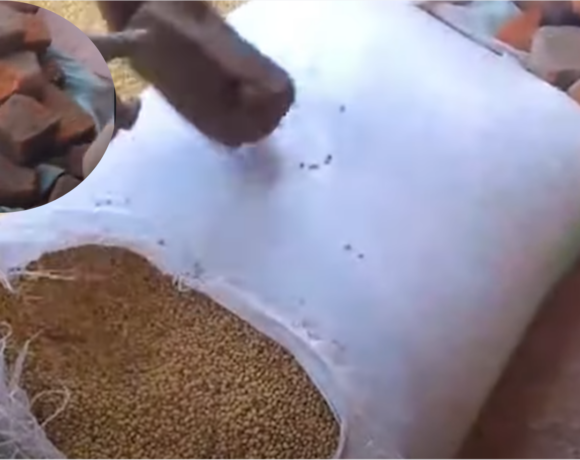
Wildlife trafficking in Kenya extends beyond large animals to lesser-known species. Authorities now warn that smuggling insects also violates national wildlife laws.
For example, traffickers increasingly target the Giant African Harvester Ant. This species, scientifically known as Messor cephalotes, plays an important ecological role.
However, international collectors seek these ants for exotic pet markets. Consequently, authorities classify such illegal trade as biopiracy. Biopiracy involves exploiting biological resources without official permission or benefit-sharing.
Legal Penalties Under Kenyan Wildlife Law
Kenya enforces strict penalties under the Wildlife Conservation and Management Act, 2013. The law prohibits dealing in wildlife species without proper permits. Offenders face severe fines and possible prison sentences.
For instance, courts impose a mandatory minimum fine of KSh 1 million. Additionally, offenders may serve at least 12 months in prison.
More serious wildlife crimes attract harsher penalties. In such cases, fines may reach KSh 20 million.
Furthermore, prison terms may extend up to five years. Foreign nationals convicted of wildlife crimes often face deportation afterward.
Ecological Importance of Harvester Ants
Experts from the Kenya Wildlife Service emphasize that harvester ants support healthy ecosystems.
- First, their underground tunnels improve soil aeration and water infiltration. Consequently, plants grow more efficiently in well-aerated soil.
- Second, these ants disperse seeds while collecting food. Therefore, they support grassland regeneration and biodiversity.
- Additionally, harvester ants form a critical link in food chains. They provide food for birds, reptiles, and mammals.
Some endangered animals, including the pangolin, depend on ants for survival.
Moreover, these insects help control agricultural pests naturally. Farmers therefore rely less on chemical pesticides.
READ ALSO: KQ Launches Special Dubai–Nairobi Repatriation Flight Amid Travel Disruptions
– Panic at JKIA as Plane Veers Off Taxiway
– KCAA Takes Action Ahead of Aviation Workers’ Strike
Chinese National Arrested at JKIA
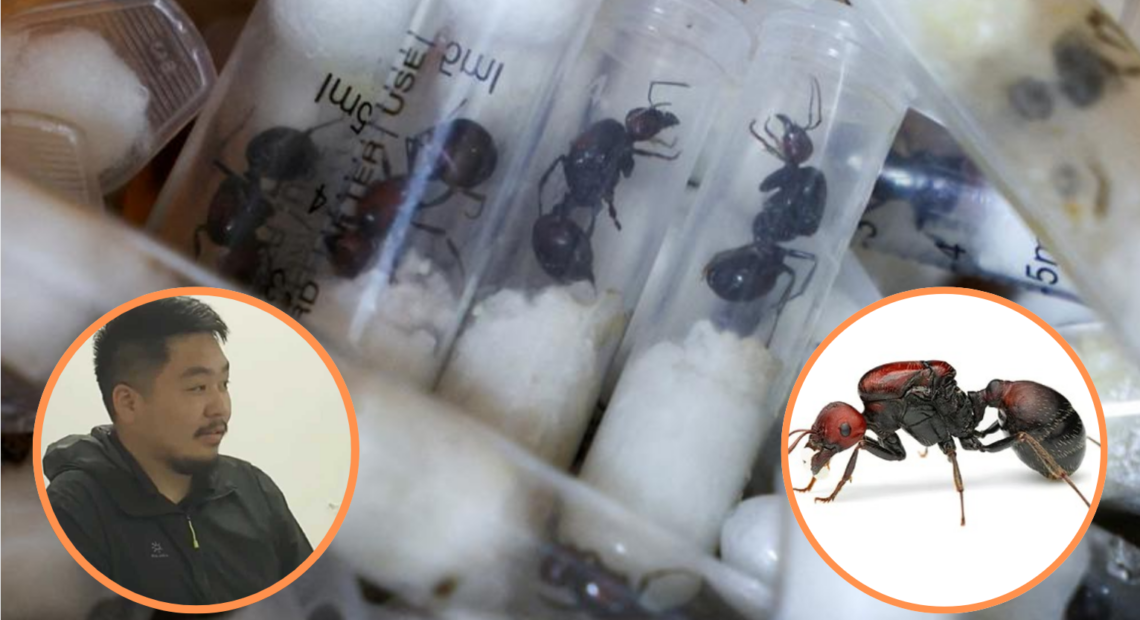
Authorities recently arrested a suspect linked to ant smuggling. The suspect, Zhang Kequn, was intercepted at Jomo Kenyatta International Airport.
Investigators discovered approximately 2,248 live queen ants in his possession. Most insects were sealed inside specialized laboratory tubes. Additionally, officers found hundreds hidden inside tissue rolls.
The cargo reportedly targeted collectors in China’s exotic pet market. There, rare queen ants can fetch high prices.
Growing Trend of Ant Trafficking
The arrest highlights a growing wildlife trafficking trend. Traffickers increasingly target lesser-known species for international collectors.
Authorities reported a similar case in May 2025. At that time, suspects attempted to smuggle over 5,000 queen ants.
These incidents reveal the expanding scope of wildlife crime. Consequently, investigators continue strengthening surveillance at Kenyan airports. Ultimately, protecting biodiversity remains essential for Kenya’s ecological future.