

EPRA Cracks Down on 23 Petrol Stations for Adulterated Fuel
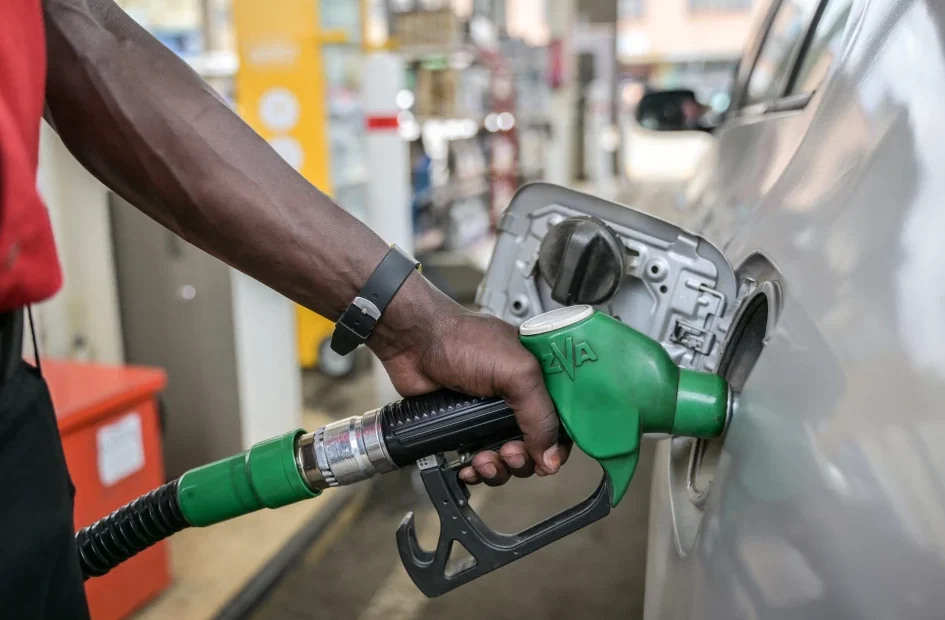
On March 24, 2026, the Energy and Petroleum Regulatory Authority (EPRA) flagged 23 petrol stations. The stations sold adulterated fuel or fuel meant for export. This followed a nationwide inspection using mobile laboratories to protect consumers and enforce fuel quality standards.
Mobile Testing Reveals Fuel Tampering
EPRA deployed mobile laboratories equipped with X-ray fluorescence (XRF) analysers. These devices provided onsite fuel tests in under five minutes. Consequently, inspectors quickly identified substandard and adulterated fuel.
Investigators found dealers mixing diesel with domestic kerosene. Additionally, some exported high-sulphur fuel illegally into the local market. Therefore, the crackdown targeted both tampering and illegal diversion of fuel.
Compliance Rates Show Improvement
Despite 23 non-compliant stations, previous inspections showed high adherence. Between October and December 2025, 957 out of 967 sites met fuel quality standards.
This indicates a 99% compliance rate across the country. Thus, most petrol stations continue to follow regulations and protect motorists.
READ ALSO: Wandayi Calls Emergency Meeting Over Fears of Fuel Shortage in Kenya
Enforcement Measures for Offending Stations
EPRA enforces strict penalties against non-compliant outlets.
- Firstly, it closes stations until they meet required standards.
- Secondly, authorities may withdraw operating licenses.
- Furthermore, offenders face heavy fines and taxes ranging from KSh 132,000 to KSh 140,000.
- Finally, EPRA may impound fuel and transport trucks, followed by court proceedings.
How Motorists Can Stay Safe
Motorists should fuel only at registered and regulated petrol stations. Doing so prevents engine damage caused by adulterated fuel.
Additionally, the public can report suspected cases via multiple channels:
- Hotline: 0709 366 000
- USSD: *363#
- SMS: 40850
Overall, EPRA’s crackdown demonstrates strong commitment to consumer protection. By combining inspections, mobile labs, and strict enforcement, fuel quality improves nationwide.
Moreover, public vigilance complements regulatory efforts to safeguard vehicles and maintain market integrity.