

India Approves Arrival of Four Kenyan Cheetahs
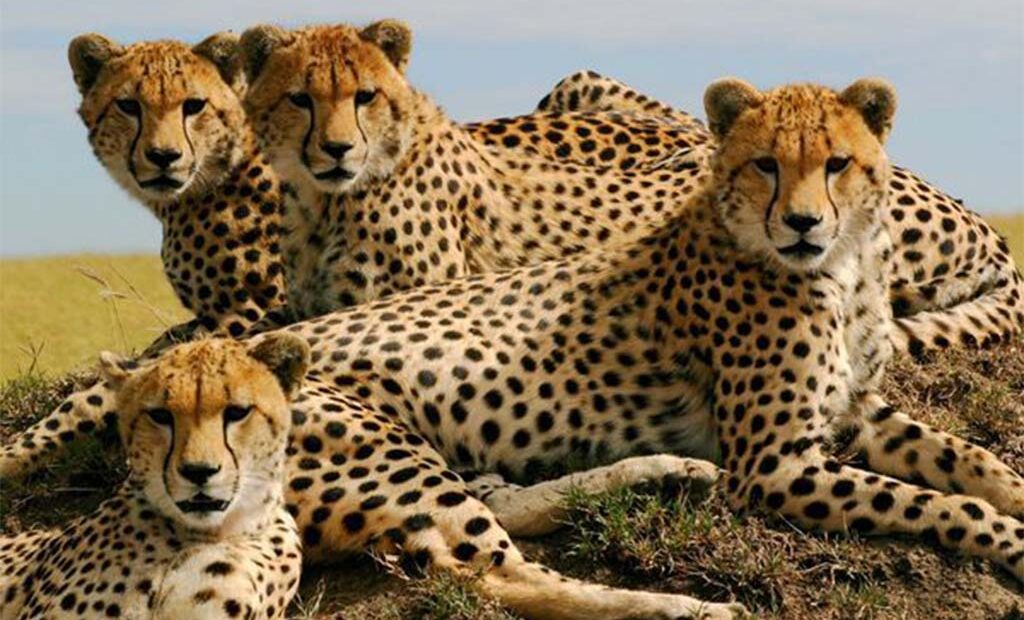
India has officially approved the transfer of four cheetahs from Kenya later this year. Authorities confirmed the decision on May 21, 2026 officially.
The approval marks another major step under India’s ambitious cheetah restoration program. Officials continue working to rebuild the country’s wild cheetah population actively.
Additionally, India’s National Tiger Conservation Authority authorized the transfer formally. The agency conducted extensive assessments before approving the plan.
Conservation experts continue monitoring the preparation process carefully. Therefore, the transfer now moves closer to implementation officially.
The project highlights growing wildlife cooperation between Kenya and India strongly. Environmental organizations continue supporting international conservation partnerships globally.
India Plans to Relocate Four Kenyan Cheetahs to Gujarat
The transfer will include four cheetahs from Kenya officially. Authorities selected two male-female pairs for relocation carefully.
Additionally, the animals will move to the Banni conservation facility eventually. The protected area sits in Kutch, Gujarat officially.
The conservation site covers approximately 500 hectares extensively. Officials believe the habitat can support long-term cheetah survival successfully.
India’s wildlife experts conducted assessment visits earlier this year. Therefore, authorities approved the habitat after reviewing environmental conditions thoroughly.
The inspection team visited the Banni grasslands during March 2026 officially. Experts evaluated food availability, climate, and ecosystem suitability carefully.
Additionally, officials continue preparing the site before the cheetahs arrive. The project remains part of broader wildlife restoration goals nationally.
Kenyan and Botswana Cheetahs Will Support Breeding Strategy
The Kenyan cheetahs will join additional felines from Botswana officially. India continues expanding its international conservation partnerships steadily.
Additionally, experts plan to introduce mixed genetic populations strategically. The approach forms part of India’s “breed-mixing” conservation strategy.
Officials believe genetic diversity strengthens long-term species survival significantly. Therefore, conservationists continue supporting the international relocation effort actively.
The project operates under Project Cheetah officially. The initiative aims to restore cheetahs to Indian ecosystems permanently.
India declared cheetahs extinct within the country decades ago historically. The government now seeks to reverse that loss gradually.
Additionally, conservationists view the project as globally significant. The relocation could influence future wildlife restoration strategies internationally.
READ ALSO: The Untold History Behind Dreadlocks
Kenya Strengthens International Wildlife Conservation Partnerships
Kenya continues playing a major role in wildlife conservation globally. The country hosts diverse populations of endangered species extensively.
Additionally, Kenyan authorities frequently collaborate on international conservation initiatives. Wildlife exports often support scientific and environmental restoration projects.
The cheetah agreement also strengthens diplomatic ties between both countries positively. Therefore, conservation partnerships continue benefiting multiple ecosystems worldwide.
Kenya’s wildlife management experience remains highly respected internationally. The country continues supporting biodiversity preservation efforts actively.
Additionally, environmental groups praised the cheetah relocation initiative widely. Experts believe collaboration improves species protection strategies globally.
The agreement may also encourage future conservation exchanges internationally. Wildlife experts continue monitoring preparations before the transfer begins.
Project Cheetah Continues Expanding Across India
India launched Project Cheetah to restore lost wildlife populations nationally. The initiative remains one of the country’s biggest conservation efforts.
Additionally, authorities continue introducing cheetahs from African nations gradually. The program focuses on habitat restoration and population recovery extensively.
Conservationists continue studying adaptation and breeding success carefully. Therefore, every relocation remains highly monitored scientifically.
Officials believe the Kenyan cheetahs could strengthen the program significantly. The transfer may improve genetic diversity within the population.
Additionally, the project attracts international environmental attention consistently. Many conservationists consider it a landmark global wildlife initiative.
Ultimately, the relocation symbolizes growing international environmental cooperation strongly. India and Kenya continue strengthening wildlife conservation partnerships globally.