
Kabogo Tightens TikTok Regulations Ahead of Kenya’s 2027 Elections
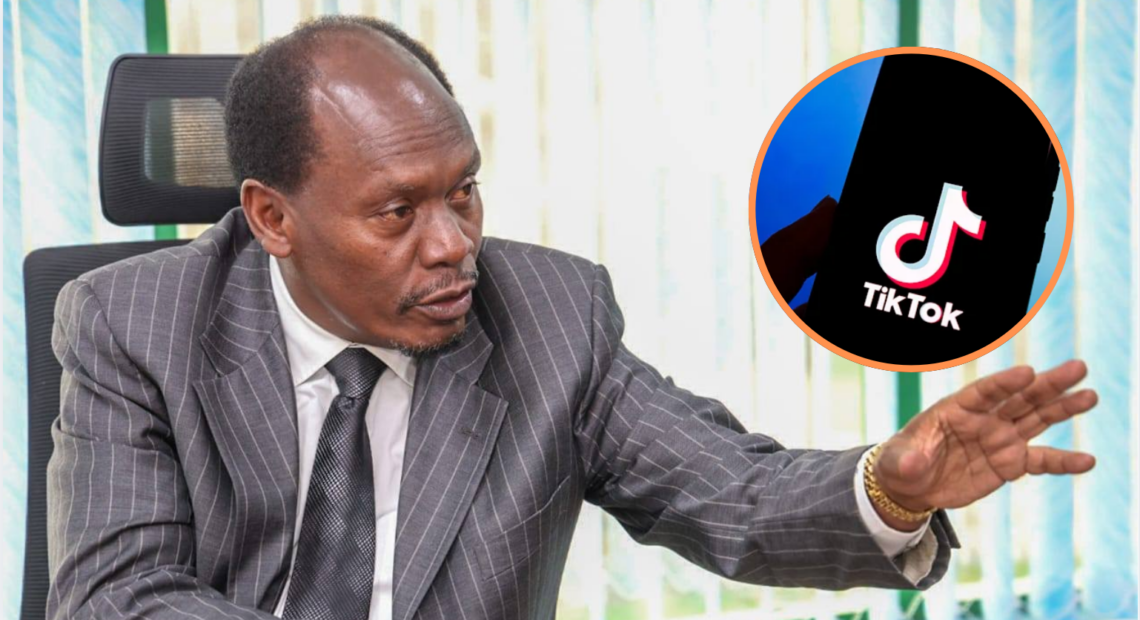
The Kenyan government has intensified efforts to regulate social media ahead of the next elections. Consequently, William Kabogo announced stricter rules targeting TikTok.
The Cabinet Secretary for Information, Communications, and the Digital Economy unveiled the plan on March 9, 2026. He spoke during discussions with TikTok executives in Nairobi.
The meeting preceded the upcoming TikTok Safer Internet Summit. Importantly, the government aims to safeguard the integrity of the 2027 Kenyan General Election.
Officials fear digital disinformation campaigns could influence voters.
Government Pushes for Election Integrity
During the summit, Kabogo warned that Kenya’s next elections could be heavily influenced online. Therefore, the ministry introduced several requirements for TikTok operations in Kenya.
First, the government demanded greater transparency in TikTok’s recommendation algorithms. Officials want to understand how political content spreads across the platform.
Additionally, TikTok must ensure neutral distribution of political material during campaign periods. This requirement aims to prevent algorithmic bias or manipulation.
Stronger Content Moderation in Local Languages
The government also raised concerns about misinformation in local languages. According to Kabogo, harmful messages often use coded language to bypass filters. Therefore, TikTok must hire more moderators fluent in Swahili and other Kenyan dialects.
Human moderators will help detect hate speech and ethnic incitement. Furthermore, the platform must collaborate with local fact-checking organizations. These partners will label or reduce the visibility of false election-related claims.

ICT Cabinet Secretary William Kabogo and the TikTok Delegation during the at the TikTok Safer Internet Summit 2026 on March 9. Photo/ William Kabogo
READ ALSO:Kenyan MPs Reject TikTok Ban, Push Tough New Rules Ahead of 2027 Elections
– TikTok Deletes 580,000 Videos in Kenya in Three Months
– Up Burukanga Challenge: How Collo Blue Took Over TikTok in 2026
Data Protection and Local Compliance
The new regulations also emphasize stronger data governance. The government plans to enforce provisions within the Computer Misuse and Cybercrimes Act.
Authorities also rely on the Data Protection Act (Kenya) to strengthen oversight. Officials want TikTok to store Kenyan user data on local servers.
This process is known as data localization. Consequently, regulators will access records faster during investigations. The Office of the Data Protection Commissioner will supervise compliance.
Heavy Penalties for Non-Compliance
The government has warned TikTok about serious consequences for violating the new rules. For instance, authorities may impose fines of up to KSh5 million.
More serious cybercrime violations could attract penalties reaching KSh20 million. Additionally, regulators may restrict platform traffic or temporarily block the service. In extreme cases, authorities could also push for app store restrictions.
Balancing Regulation and Digital Freedom
Despite the strict measures, Kabogo insists the government does not intend to ban TikTok. Instead, he says authorities want to reduce “digital toxicity” and protect democracy. However, some civil society groups remain concerned.
Critics argue that strict regulations may affect youth political mobilization online. Nevertheless, TikTok now has four months to comply with the new requirements. Failure to meet the standards could lead to stronger regulatory action before the 2027 elections.