

UN Declares Transatlantic Slave Trade a Crime Against Humanity
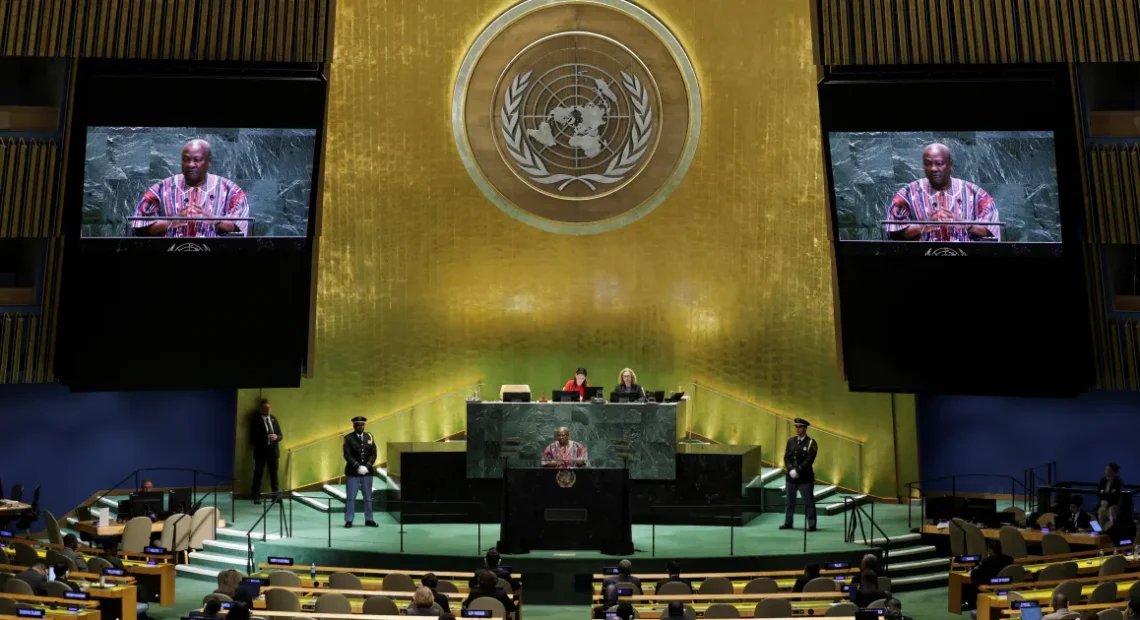
On March 25, 2026, the United Nations General Assembly passed a historic resolution recognizing slavery’s severity. The resolution labeled the transatlantic slave trade as the gravest crime against humanity.
Voting Outcome and Global Divide
Led by Ghana, the resolution gained strong international support. A total of 123 countries voted in favor of the motion.
However, United States, Israel, and Argentina opposed it. Meanwhile, 52 nations, including the United Kingdom, abstained. Although non-binding, the resolution signals a major moral and political shift.
Key Provisions of the Resolution
Firstly, the resolution formally defines slavery as history’s most severe crime. It also highlights racialized systems that justified human exploitation.
Furthermore, it calls on nations to consider reparations for historical injustices. Additionally, it urges countries involved to issue formal apologies. Importantly, the text emphasizes ongoing racial inequalities rooted in slavery’s legacy.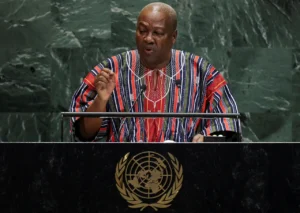
READ ALSO: Trump Cuts US Support to UN Agencies Linked to Kenya
Historical Context and Global Remembrance
The vote coincided with the International Day of Remembrance of the Victims of Slavery. This annual event honors millions affected by the transatlantic slave trade.
The UN established the observance in 2007 to promote awareness and education. Later, it unveiled the Ark of Return in 2015.
This memorial stands at the UN headquarters in New York.
Support and Opposition Perspectives
Supporters, especially African nations, praised the resolution as a step toward reparative justice. They argue it addresses centuries of exploitation and intergenerational trauma.
Conversely, opposing countries cited legal concerns about reparations. They referenced principles like non-retroactivity in international law.
Global Impact and Future Implications
Overall, the resolution strengthens global conversations on justice and accountability. It encourages nations to confront historical injustices and promote equality.
As discussions continue, the decision may influence future policies on reparations. Ultimately, it marks a significant moment in the fight against racial injustice.


