

The “Brick in the Bag” Soya Scam Exposes Traders to Heavy Losses
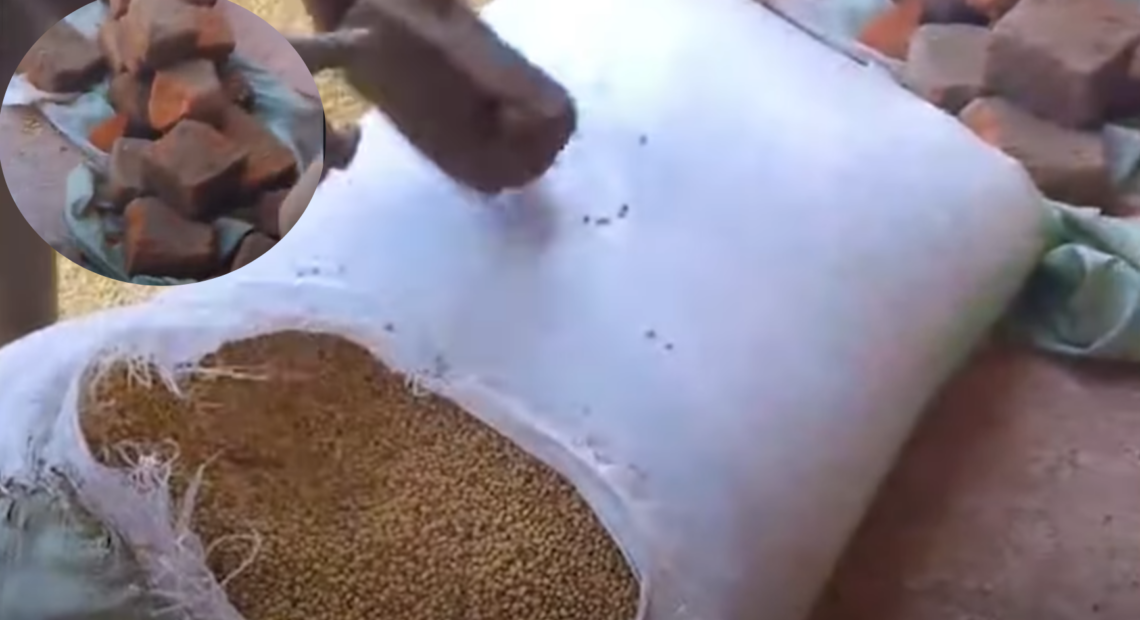
Weight-Inflation Fraud Shakes Agricultural Trade
Local traders are reporting major losses after discovering bricks hidden inside sacks of soya beans. The fraud artificially inflates weight and undermines trust within the agricultural supply chain.
As a result, many honest merchants now face financial and reputational risks.
The scheme remains simple but highly effective for fraudsters. Soya beans sell by the metric ton or 90-kilogram sack. Therefore, inserting a single two-kilogram brick boosts profits across large shipments.
The “Core” Concealment Method
Fraudsters hide bricks at the exact center of each sack. They surround the object with genuine beans to avoid detection. Consequently, routine hand-sampling often fails to uncover the foreign material.
In many cases, tampering occurs during transportation, not at the farm. Drivers or warehouse handlers remove beans and sell them separately. They then replace the missing weight with stones or construction debris.
Financial and Reputational Damage to Traders
The scam delivers a double blow to affected traders.
– First, they pay premium prices for compromised produce.
– Second, resale of tainted goods risks contract termination and fraud accusations.
How Traders Can Protect Their Businesses
Industry experts recommend stricter inspection methods beyond basic weighing. Use extra-long probes to sample the sack’s center. Additionally, dump at least five percent of random shipments for full inspection.
Buy only from traceable suppliers with verified batch records. Finally, calibrate digital scales daily to avoid measurement disputes.
Calls for Stronger Oversight
This incident highlights the need for stricter quality controls during offloading. Meanwhile, high soya demand continues to fuel fraudulent incentives.
Therefore, traders urge authorities to monitor weighing bridges and distribution hubs closely.