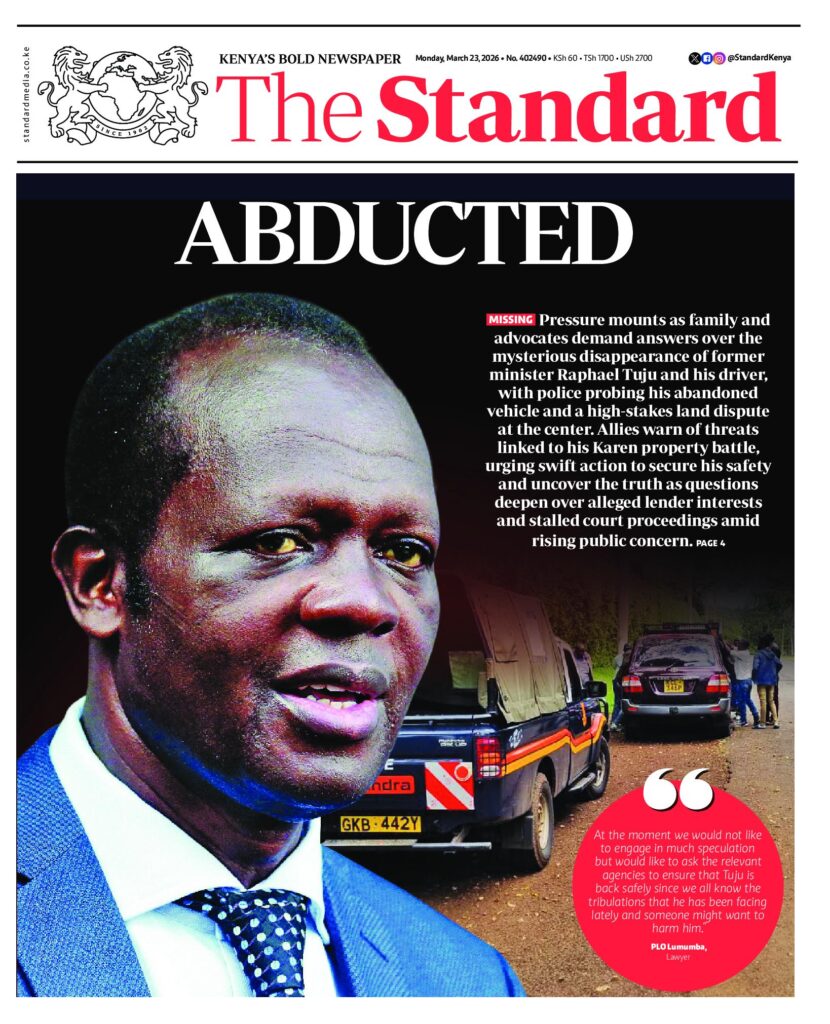

Media Council Slams The Standard for “Yellow Journalism”
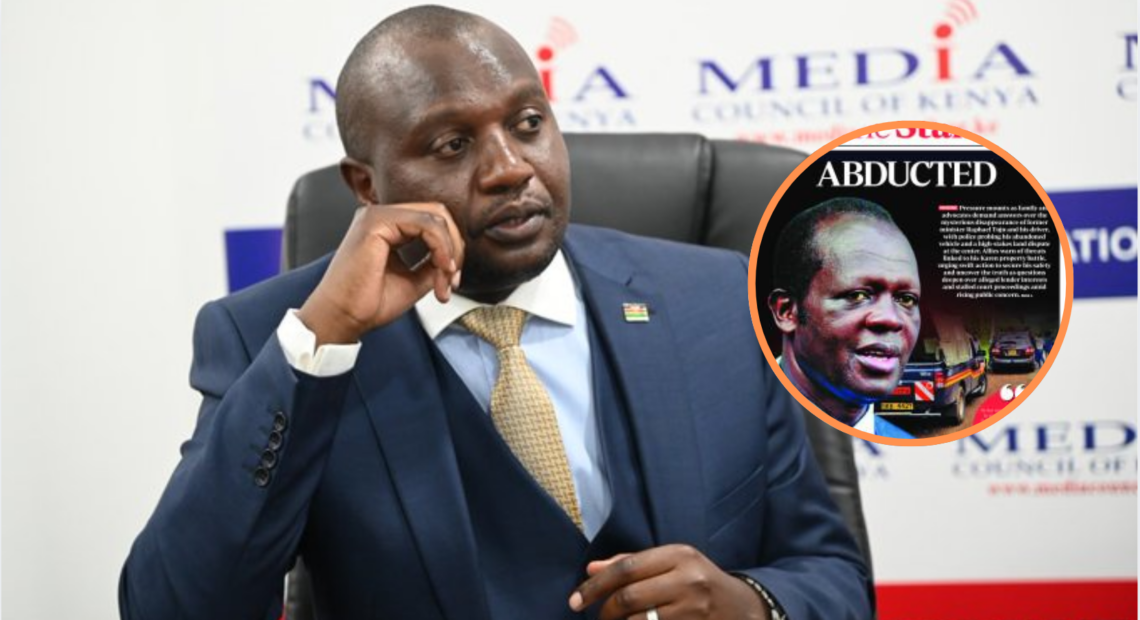
On March 24, 2026, the Media Council of Kenya sharply criticized The Standard. The council accused the publication of sensationalist headlines and repeated ethical breaches.
Unverified Claims and Irresponsible Reporting
MCK CEO David Omwoyo condemned a recent front-page report. The paper falsely claimed former Cabinet Secretary Raphael Tuju had been abducted.
However, Tuju later appeared safely at home. Consequently, MCK labeled the report as irresponsible misinformation.
Lack of Retraction and Pattern of Sensationalism
Moreover, The Standard failed to retract the false story. Instead, it attempted to justify the error in a follow-up editorial.
The regulator noted this incident reflects a broader trend of “yellow journalism.” In particular, clickbait headlines often replace factual accuracy and the right of reply.
READ ALSO: Uganda Blocks Kenya Media Coverage Hours Before Elections
Impact on National Stability and Trust
MCK warned that such high-stakes sensationalism threatens public safety. Additionally, the practice erodes public trust, making journalism commercially unsustainable.
Therefore, unchecked editorial errors could destabilize the information ecosystem.
Internal Crisis at The Standard Media Group
The criticism coincides with internal challenges at the media house. Journalists reportedly went unpaid for up to six months, causing mass resignations.
Morale has plummeted, and political backlash has intensified. For instance, Orange Democratic Movement accused the paper of running a smear campaign against Raila Odinga.
Furthermore, whistleblowers allege editorial manipulation by senior executives. These tactics aimed to boost dwindling sales through controversial, attention-grabbing headlines.
Call for Ethical Journalism
The MCK urges media outlets to prioritize fact-checking and public accountability. Ultimately, responsible journalism strengthens democracy, protects national stability, and rebuilds public trust.