
Kenya Battles 20,000 New HIV Cases Annually, Youth Hit Hardest
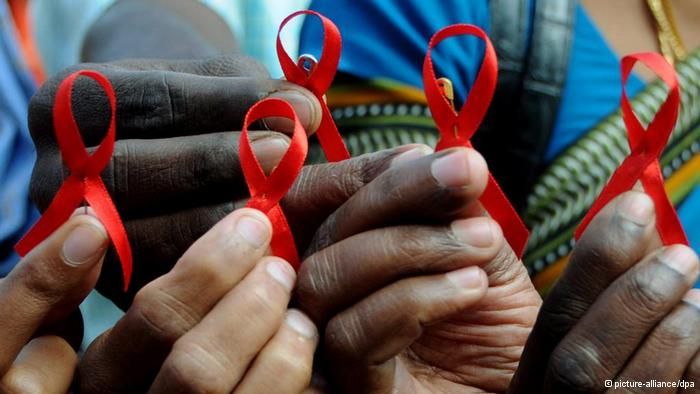
As of March 17, 2026, Kenya is reporting alarming HIV statistics. According to the National Syndemic Diseases Control Council, at least 54 new infections occur daily.
Additionally, the country records about 57 HIV-related deaths each day. Therefore, this equals nearly 20,000 new infections and over 21,000 deaths annually.
Current HIV Situation and Key Trends
Kenya continues to carry a significant HIV burden. Currently, between 1.3 and 1.4 million people live with HIV nationwide.
Meanwhile, the national prevalence rate stands between 3.0% and 3.7%. However, young people remain the most affected group.
Youth aged 15 to 34 account for about 74% of new infections. Consequently, targeted interventions for this age group remain critical.
Regional Hotspots
Urban and lake regions report the highest infection rates. Nairobi leads with over 3,000 new cases annually.
Other high-burden counties include Migori County, Kisumu County, Homa Bay County, and Busia County. These regions continue to require intensified prevention efforts. 
READ ALSO: Kenya Receives First Shipment of Lenacapavir for HIV Prevention
Government Spending and Funding Pressure
The Kenyan government invests heavily in HIV treatment programs. Currently, it spends about KSh 19 billion annually on treatment.
However, total funding needs are significantly higher. Experts estimate at least KSh 28 billion is required each year.
This gap comes as Kenya prepares to reduce donor dependence. Transition plans target full domestic funding between 2027 and 2030.
Strategic Partnerships
In December 2025, Kenya signed a major health agreement with the United States. The deal is valued at $2.5 billion over five years.
Kenya will contribute $850 million to support long-term sustainability. Therefore, the partnership aims to strengthen local healthcare systems.
New Prevention Efforts Offer Hope
Health officials are introducing innovative HIV prevention methods. Notably, Kenya is rolling out Lenacapavir.
This long-acting injectable offers protection with only two doses per year. Each shot costs approximately KSh 6,000. Consequently, this approach could improve adherence and reduce new infections.
Despite progress, HIV remains a major public health challenge. Therefore, increased funding, awareness, and innovation are essential. If efforts scale up effectively, Kenya can reduce infections and save lives.